

As a trusted supplier of square rubber bushings, I've witnessed firsthand the remarkable capabilities of these components in handling shock loads. In this blog post, I'll delve into the science behind how square rubber bushings manage shock loads, explore their applications, and highlight why they're an essential choice for various industries.
Understanding Shock Loads
Shock loads are sudden, intense forces that act on a system. These can occur due to a variety of reasons, such as impacts, rapid changes in velocity, or vibrations. In industrial settings, shock loads can cause significant damage to equipment, leading to downtime, increased maintenance costs, and potential safety hazards. Therefore, it's crucial to have effective measures in place to mitigate these effects.
How Square Rubber Bushings Work
Square rubber bushings are designed to absorb and dissipate shock energy. They consist of a rubber component, which is the primary element responsible for shock absorption, and may also include other materials such as steel inserts for added strength and durability.
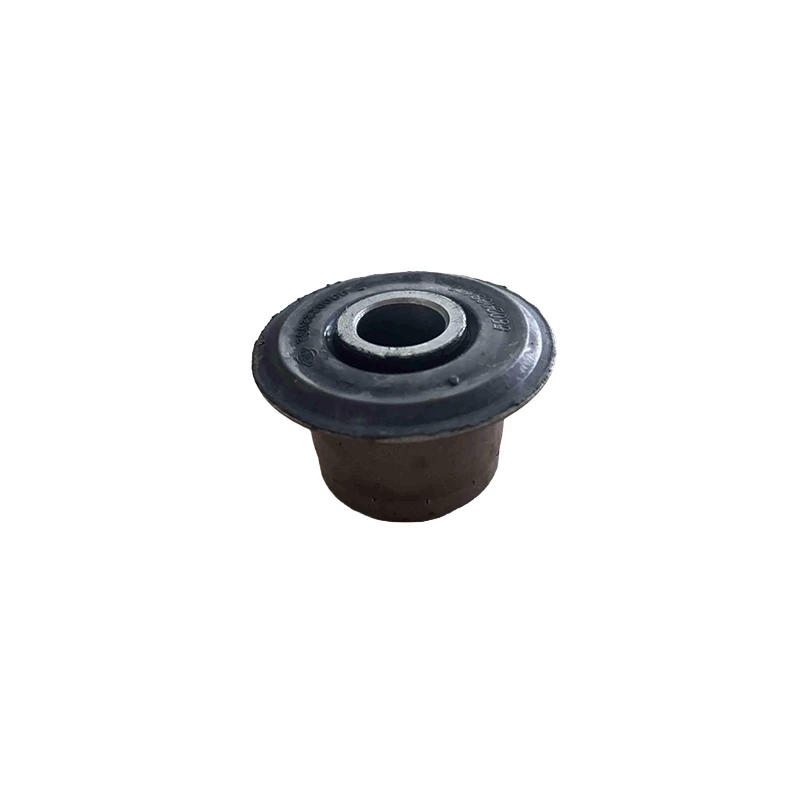
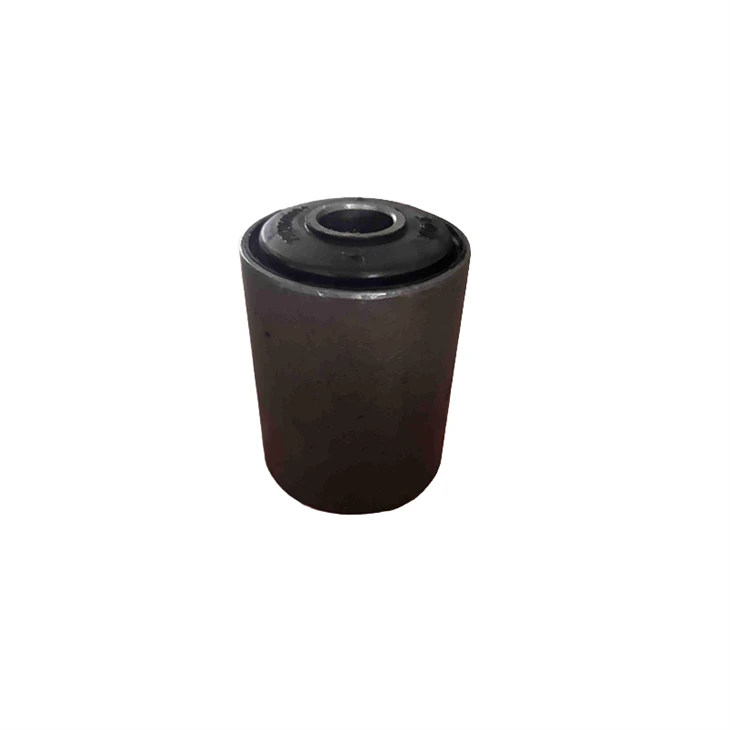
When a shock load is applied to a square rubber bushing, the rubber material deforms. This deformation is not just a simple physical change; it involves the conversion of mechanical energy into heat energy. The rubber's internal molecular structure allows it to stretch and compress under load, effectively absorbing the shock. As the rubber returns to its original shape, it releases the absorbed energy gradually, reducing the impact on the connected components.
The Role of Rubber Properties
The performance of square rubber bushings in handling shock loads largely depends on the properties of the rubber used. Here are some key properties:
- Elasticity: Rubber is highly elastic, which means it can deform under load and then return to its original shape. This property allows square rubber bushings to absorb shock energy and then release it, rather than transferring it directly to the equipment.
- Damping Capacity: Damping refers to the ability of a material to dissipate energy as heat. Rubber has excellent damping properties, which means it can effectively reduce vibrations and shock loads. When a shock load is applied, the rubber bushing converts the kinetic energy into heat energy through internal friction, thereby reducing the impact on the system.
- Hardness: The hardness of the rubber affects the stiffness of the bushing. A harder rubber will be stiffer and can handle higher loads, but it may also transmit more vibrations. A softer rubber, on the other hand, will provide better shock absorption but may have a lower load capacity. Therefore, the hardness of the rubber must be carefully selected based on the specific application requirements.
Applications of Square Rubber Bushings
Square rubber bushings are widely used in various industries due to their excellent shock absorption capabilities. Here are some common applications:
- Automotive Industry: In vehicles, square rubber bushings are used in suspension systems to absorb shocks from uneven road surfaces. They help to reduce noise, vibration, and harshness (NVH), improving the overall comfort and performance of the vehicle. You can learn more about Elastomeric Bushing which are often used in automotive applications.
- Industrial Machinery: Many industrial machines, such as presses, conveyors, and pumps, are subject to shock loads during operation. Square rubber bushings can be used to isolate these machines from the surrounding environment, reducing the transmission of vibrations and shocks. Anti Vibration Bushings are specifically designed for this purpose.
- Construction Equipment: Heavy machinery used in construction, such as excavators and bulldozers, experiences significant shock loads. Square rubber bushings can help to protect the components of these machines, extending their lifespan and reducing maintenance costs. Steel Lined Rubber Bushes are commonly used in construction equipment due to their high strength and durability.
- Aerospace Industry: In aircraft, square rubber bushings are used to isolate components from vibrations and shocks. They help to ensure the safety and reliability of the aircraft by reducing the stress on critical components. Steel Sleeve Rubber Bushings are often used in aerospace applications due to their excellent performance under high loads and extreme conditions.
Advantages of Square Rubber Bushings in Handling Shock Loads
- Effective Shock Absorption: As mentioned earlier, square rubber bushings can effectively absorb and dissipate shock energy, reducing the impact on the connected components. This helps to prevent damage to the equipment and extends its lifespan.
- Noise and Vibration Reduction: The damping properties of rubber also make square rubber bushings effective in reducing noise and vibrations. This is particularly important in applications where a quiet and stable environment is required, such as in automotive and industrial settings.
- Customizability: Square rubber bushings can be customized to meet the specific requirements of different applications. The hardness, shape, and size of the bushing can be adjusted to optimize its performance in handling shock loads. For example, Rubber Bushing with Steel Insert can be designed with different steel inserts to provide varying levels of strength and stiffness.
- Cost-Effective: Compared to other shock absorption solutions, square rubber bushings are relatively inexpensive. They also require less maintenance, making them a cost-effective choice for many applications.
Factors to Consider When Choosing Square Rubber Bushings
When selecting square rubber bushings for a specific application, several factors need to be considered:
- Load Capacity: The load capacity of the bushing must be sufficient to handle the expected shock loads. This depends on the size, shape, and material of the bushing, as well as the application requirements.
- Environmental Conditions: The operating environment can have a significant impact on the performance of square rubber bushings. Factors such as temperature, humidity, and exposure to chemicals or oils need to be considered when choosing the appropriate rubber material.
- Frequency of Shock Loads: If the shock loads occur frequently, the bushing must be able to withstand repeated deformation without losing its performance. The fatigue resistance of the rubber material is an important consideration in such cases.
Conclusion
Square rubber bushings are an effective solution for handling shock loads in a wide range of applications. Their ability to absorb and dissipate energy, reduce noise and vibrations, and provide customizability make them a popular choice for industries such as automotive, industrial machinery, construction, and aerospace.
As a supplier of square rubber bushings, I'm committed to providing high-quality products that meet the specific needs of our customers. If you're interested in learning more about our square rubber bushings or have any questions regarding shock load handling, please feel free to contact us for further discussion and potential procurement opportunities.
References
- "Rubber Engineering Handbook" by K. G. Saurabh
- "Mechanical Vibration Analysis and Prediction" by D. J. Inman