

Yo, I'm a supplier of Rubber Limit Pads, and I've seen it all in the rubber pad game. Figuring out a high - quality Rubber Limit Pad ain't always a walk in the park. But don't worry, I'm here to break it down for you.
Understanding the Basics
First off, you gotta understand what a Rubber Limit Pad is for. These bad boys are used in all sorts of machinery and equipment to limit movement and provide cushioning. They stop parts from slamming into each other, which can cause damage and wear over time.
Think about your car's suspension system. There are Rubber Limit Pads that prevent the metal parts from hitting each other when you go over bumps. Without them, your car would be a noisy, rattling mess, and you'd be replacing parts left and right.
Material Quality
When it comes to Rubber Limit Pads, the material is king. High - quality rubber should be durable and resistant to all sorts of stuff. We're talking about things like oil, heat, and abrasion.
Good rubber should have a high tensile strength. That means it can stretch and pull without breaking. You don't want a Rubber Limit Pad that's gonna snap in half the first time it gets a little bit of stress.
Also, look out for rubber that has good hardness. It shouldn't be too soft or too hard. If it's too soft, it won't provide enough resistance. If it's too hard, it won't be able to absorb shocks properly.
Some of the best materials for Rubber Limit Pads are natural rubber, neoprene, and nitrile rubber. Natural rubber is great for general - purpose use because it has good elasticity and shock - absorption properties. Neoprene is resistant to oil and chemicals, so it's perfect for applications in dirty or industrial environments. Nitrile rubber is also resistant to oil and heat, and it's got a nice balance of hardness and flexibility. You can check out Rubber Buffer Pad for more info on different rubber materials.
Manufacturing Process
The way a Rubber Limit Pad is made makes a huge difference in its quality. A good manufacturing process involves precise molding. The pad should be made to exact specifications so that it fits perfectly in the application.
For example, if it's going into a piece of machinery, it needs to have the right dimensions. Any deviation can cause problems. The edges should be smooth, without any rough spots or burrs. These can not only affect the performance but also cause damage to other parts.
Injection molding is a common method for making Rubber Limit Pads. It ensures that the rubber is evenly distributed throughout the pad, which means consistent quality. Another important aspect is vulcanization. This is the process that converts raw rubber into a more durable material. It strengthens the rubber and improves its properties.
Design and Shape
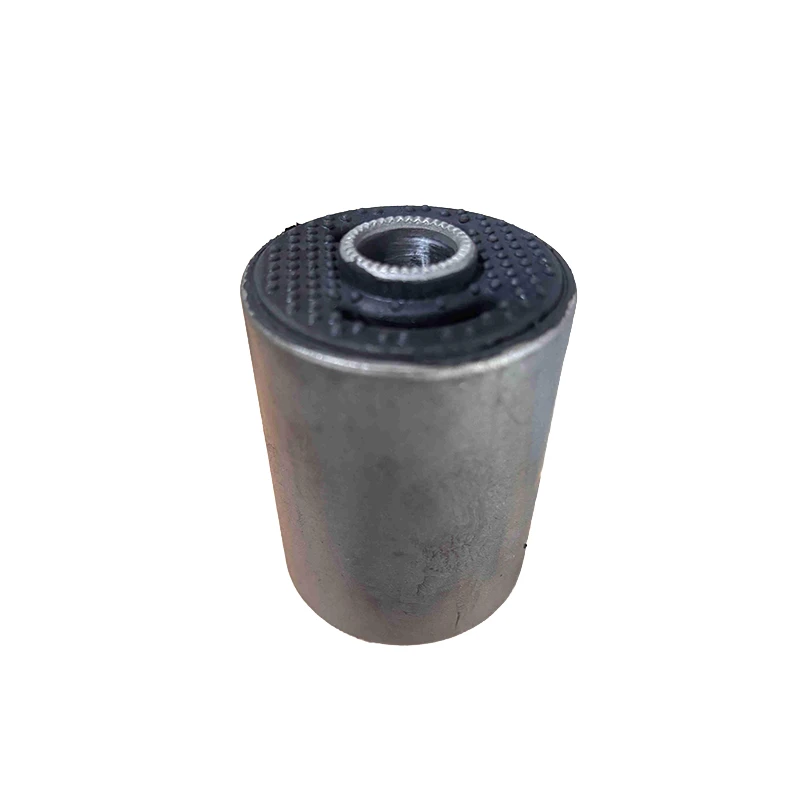
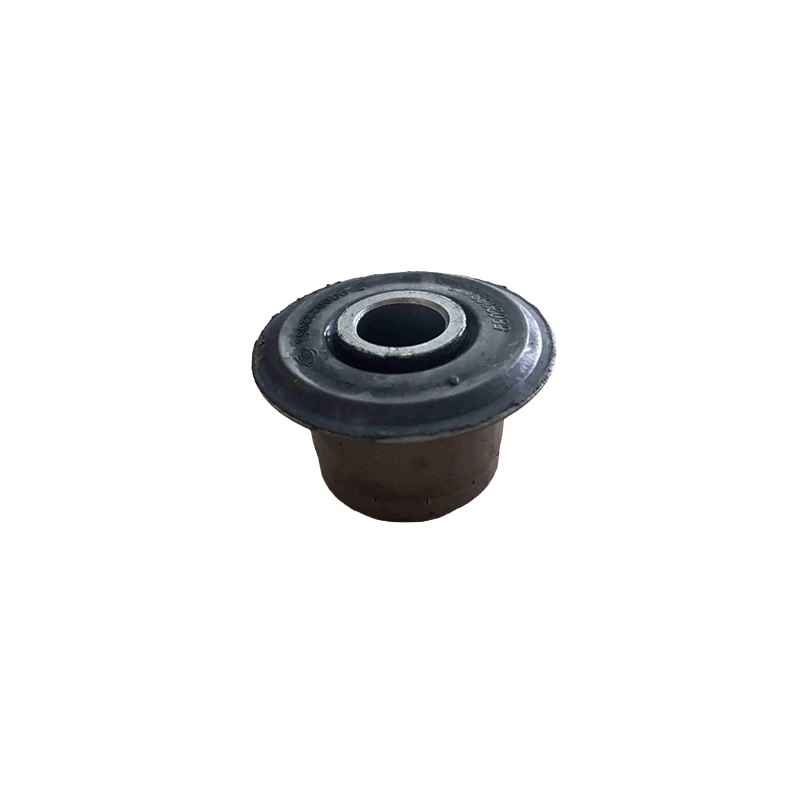
The design and shape of a Rubber Limit Pad are crucial. It needs to be designed to fit the specific application. For example, if it's for a linear motion system, it might have a flat or cylindrical shape. If it's for a rotary motion system, the shape could be more circular.
The pad should also have the right profile. Some Rubber Limit Pads have a tapered design, which allows for a more gradual absorption of shocks. Others might have a ribbed surface, which can increase the surface area and improve the cushioning effect.
You can also consider the installation method. Some Rubber Limit Pads can be easily glued in place, while others might require bolts or other fastening methods. Make sure the design takes this into account. If you're interested in more specialized designs, check out Rubber Damper Pad.
Testing and Certification
A high - quality Rubber Limit Pad should have gone through proper testing. This can include tests for compression set, tear strength, and dynamic fatigue. Compression set testing measures how much the pad will deform over time when it's under pressure. You don't want a pad that's gonna stay squished after a while.
Tear strength testing checks how well the rubber can resist tearing. This is important because in real - world applications, the pad might get snagged or pulled at. Dynamic fatigue testing simulates the repeated stress that the pad will experience in use.
Certification is also a big deal. Look for Rubber Limit Pads that meet industry standards, like ISO or ASTM. These certifications show that the pads have been tested and meet certain quality criteria.
Performance in Real - World Conditions
It's all well and good to look at test results, but you also need to consider how the Rubber Limit Pad will perform in real - world conditions. For example, if it's going to be used in a hot environment, it should be able to maintain its properties. High temperatures can cause rubber to degrade, so you need a pad that's heat - resistant.
Similarly, if it's going to be exposed to moisture or chemicals, it should be able to withstand them. Some applications might require a pad that's resistant to ozone, which can cause rubber to crack over time.
Check out Rubber Shock Block to see how different pads perform in various conditions.
Cost - Quality Balance
Now, I know we all want the best quality, but cost is also a factor. You don't want to overspend on a Rubber Limit Pad, but you also don't want to go for the cheapest option and end up with something that falls apart.
A high - quality Rubber Limit Pad might cost a bit more upfront, but it can save you money in the long run. You won't have to replace it as often, and it can prevent damage to other parts of your equipment. So, look for a balance between cost and quality.
Compatibility
Make sure the Rubber Limit Pad is compatible with the equipment it's going into. This includes not only the dimensions but also the material compatibility. For example, if the equipment has oil or grease in it, the rubber should be resistant to those substances.
Also, consider the other materials in the system. The Rubber Limit Pad shouldn't react with them in a negative way. For example, some rubbers can cause corrosion if they come into contact with certain metals. For more on compatibility, you can visit Automotive Rubber Buffer Assembly.
After - Sales Service
Finally, don't forget about after - sales service. A good supplier should be able to help you if you have any problems with the Rubber Limit Pad. They should offer a warranty and be willing to answer your questions.
If you're not happy with the performance of the pad, they should work with you to find a solution. This could involve replacing the pad or making adjustments to the design.
Conclusion
Identifying a high - quality Rubber Limit Pad takes a bit of knowledge and research. You need to look at the material, manufacturing process, design, testing, and real - world performance. And don't forget about cost, compatibility, and after - sales service.
If you're in the market for Rubber Limit Pads, I'd be more than happy to help you out. Whether you're looking for a standard pad or a custom - designed one, I can provide high - quality products that meet your needs. Just reach out, and we can start a conversation about your requirements.
If you're interested in other types of rubber pads, check out Rubber Isolation Pad.
References
- "Rubber Materials and Their Applications" - A comprehensive guide on different rubber materials and their uses.
- "Manufacturing Processes for Rubber Products" - Details on how rubber products, including limit pads, are made.
- Industry Standards for Rubber Components - Documents from ISO and ASTM that define quality criteria for rubber products.