

When it comes to the automotive industry, rubber bushings play a crucial role in ensuring a smooth and safe ride. As a leading rubber bushing supplier, we understand the significance of these components and how their stiffness can significantly impact vehicle handling. In this blog post, we will delve into the science behind rubber bushing stiffness and explore its effects on handling.
Understanding Rubber Bushings
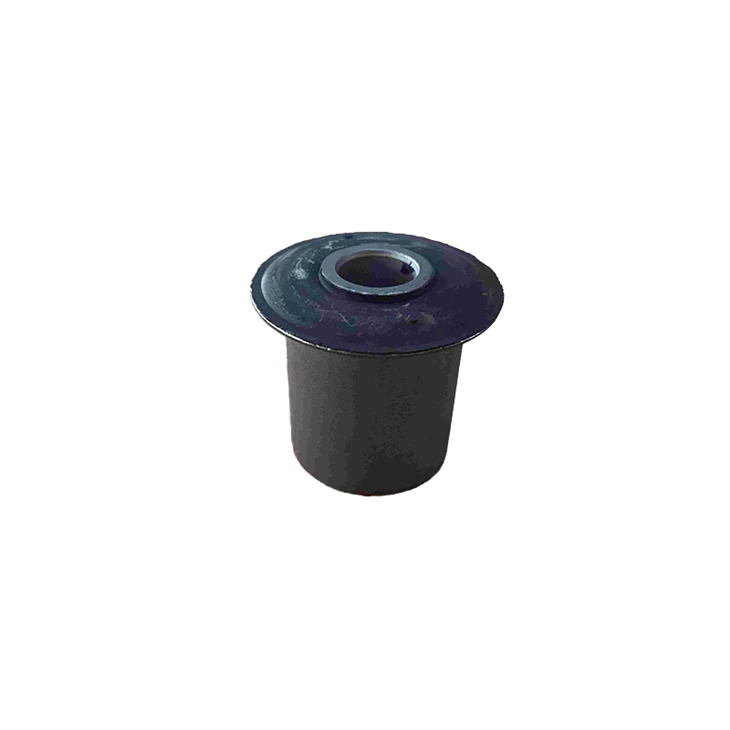
Rubber bushings are cylindrical components made of rubber or a combination of rubber and metal. They are used in various parts of a vehicle's suspension system, including the control arms, sway bars, and shock absorbers. These bushings act as a cushion between different metal parts, reducing friction and vibrations while allowing for controlled movement.
The Concept of Stiffness
Stiffness refers to the resistance of a material to deformation when a force is applied. In the context of rubber bushings, stiffness determines how much the bushing will compress or deflect under a given load. A stiffer bushing will deform less, while a softer bushing will deform more.
Impact on Handling
1. Steering Response
One of the most significant impacts of rubber bushing stiffness on handling is steering response. Stiffer bushings provide a more direct and precise steering feel. When you turn the steering wheel, the force is transmitted more efficiently to the wheels, resulting in a quicker and more accurate response. This is particularly important for high-performance vehicles and drivers who demand a more engaging driving experience.
For example, in a sports car, stiffer bushings in the steering linkage and control arms can reduce play and improve the driver's ability to make sharp turns. On the other hand, softer bushings may introduce some delay in the steering response, making the vehicle feel less responsive and more difficult to control at high speeds.

2. Cornering Ability
Rubber bushing stiffness also affects a vehicle's cornering ability. Stiffer bushings help to maintain the alignment of the wheels and suspension components during cornering. This reduces body roll and improves the vehicle's stability, allowing it to take corners at higher speeds with greater confidence.
When a vehicle enters a turn, the lateral forces acting on the suspension can cause the bushings to deform. If the bushings are too soft, they may allow excessive movement of the suspension components, leading to increased body roll and a loss of traction. Stiffer bushings resist this deformation, keeping the wheels more firmly planted on the road and improving the vehicle's grip.
3. Ride Comfort
While stiffer bushings offer better handling performance, they can also have a negative impact on ride comfort. As the bushings are less flexible, they transmit more vibrations and shocks from the road surface to the vehicle's body. This can result in a harsher and less comfortable ride, especially on rough or uneven roads.
In contrast, softer bushings absorb more of the vibrations and shocks, providing a smoother and more comfortable ride. However, this comes at the expense of handling performance. Therefore, finding the right balance between stiffness and comfort is crucial for different types of vehicles and driving conditions.
4. Suspension Geometry
The stiffness of rubber bushings can also affect the suspension geometry. Over time, excessive deformation of the bushings can cause changes in the alignment of the wheels and suspension components. This can lead to uneven tire wear, reduced handling performance, and increased fuel consumption.
Stiffer bushings are more resistant to deformation, helping to maintain the correct suspension geometry for a longer period. This ensures that the vehicle's handling characteristics remain consistent and reduces the need for frequent alignment adjustments.
Choosing the Right Bushing Stiffness
The optimal bushing stiffness depends on several factors, including the type of vehicle, driving style, and intended use. Here are some general guidelines to help you choose the right bushing stiffness:
1. Performance Vehicles
For high-performance vehicles, such as sports cars and race cars, stiffer bushings are generally recommended. These bushings provide better steering response, cornering ability, and overall handling performance. However, it's important to note that stiffer bushings may also result in a harsher ride, so some compromise on comfort may be necessary.
2. Daily Drivers
For daily drivers, a balance between comfort and handling is usually preferred. Softer bushings can provide a smoother and more comfortable ride, especially on rough roads. However, if you enjoy spirited driving or need better handling performance, you may consider upgrading to slightly stiffer bushings.
3. Off-Road Vehicles
Off-road vehicles require bushings that can withstand the rigors of rough terrain. Stiffer bushings can help to improve the vehicle's durability and handling in off-road conditions. They also provide better resistance to mud, water, and other contaminants.
Our Rubber Bushing Products
As a leading rubber bushing supplier, we offer a wide range of high-quality bushings to meet the needs of different vehicles and applications. Our product line includes Square Rubber Bushings, Vibration Isolation Bushings, Leaf Spring Bushing, Rubber Vibration Bushings, and Suspension Bushing.
All our bushings are manufactured using the latest technology and high-quality materials to ensure superior performance and durability. We also offer custom bushing solutions to meet specific customer requirements.
Conclusion
In conclusion, rubber bushing stiffness has a significant impact on vehicle handling. Stiffer bushings provide better steering response, cornering ability, and suspension geometry, but may sacrifice ride comfort. Softer bushings, on the other hand, offer a smoother and more comfortable ride, but may compromise handling performance.
As a rubber bushing supplier, we understand the importance of finding the right balance between stiffness and comfort for different types of vehicles and applications. Our extensive range of high-quality bushings allows you to choose the perfect solution for your needs. Whether you're a performance enthusiast, a daily driver, or an off-road adventurer, we have the right bushing for you.
If you're interested in learning more about our rubber bushing products or would like to discuss your specific requirements, please feel free to contact us. Our team of experts is always ready to assist you in finding the best bushing solution for your vehicle.
References
- Milliken, W. F., & Milliken, D. L. (1995). Race car vehicle dynamics. Society of Automotive Engineers.
- Gillespie, T. D. (1992). Fundamentals of vehicle dynamics. Society of Automotive Engineers.