

Hey there! As a supplier of rubber end gaskets, I often get asked about how to test the performance of these little but crucial components. Rubber end gaskets are used in a wide range of applications, from automotive to industrial machinery, and their performance can significantly impact the overall functionality and durability of the equipment they're part of. So, let's dive into the details of how you can test the performance of rubber end gaskets.
1. Physical Appearance Inspection
The first step in testing rubber end gaskets is a simple visual check. You'd be surprised how much you can tell just by looking at the gasket. Check for any visible defects like cracks, tears, or uneven surfaces. These flaws can compromise the gasket's ability to seal properly and may lead to leaks or other issues down the line.
Also, measure the dimensions of the gasket to ensure they match the specified requirements. Even a slight deviation in size can affect how well the gasket fits and performs. You can use basic measuring tools like calipers for this. If you're interested in different types of rubber end products, you can check out our Rubber End Cushion and Mounting Cushion Isolator on our website.
2. Hardness Testing
Hardness is a key property of rubber end gaskets. It determines how well the gasket can withstand pressure and maintain its shape. A common way to test hardness is using a durometer. This tool measures the resistance of the rubber to indentation.
There are different types of durometers for different hardness ranges. For most rubber end gaskets, a Shore A durometer is used. Just press the durometer on the gasket surface and read the hardness value. The hardness should fall within the specified range for the particular application. If the gasket is too hard, it may not conform well to the mating surfaces, while a too-soft gasket may get squeezed out under pressure.
3. Tensile Strength and Elongation Testing
Tensile strength and elongation at break are important indicators of a rubber gasket's ability to withstand stretching and pulling forces. To test these properties, you'll need a tensile testing machine.
First, cut a test specimen from the gasket according to the relevant standard (usually a dumbbell shape). Then, grip the specimen at both ends in the testing machine and slowly pull it until it breaks. The machine records the maximum force applied (tensile strength) and the percentage increase in length at the point of break (elongation at break).
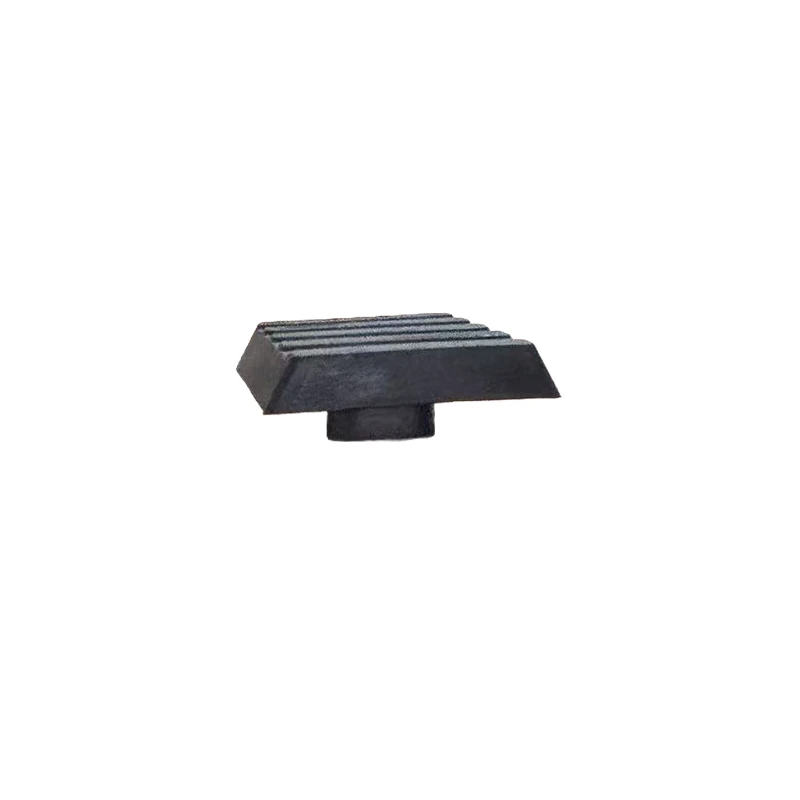
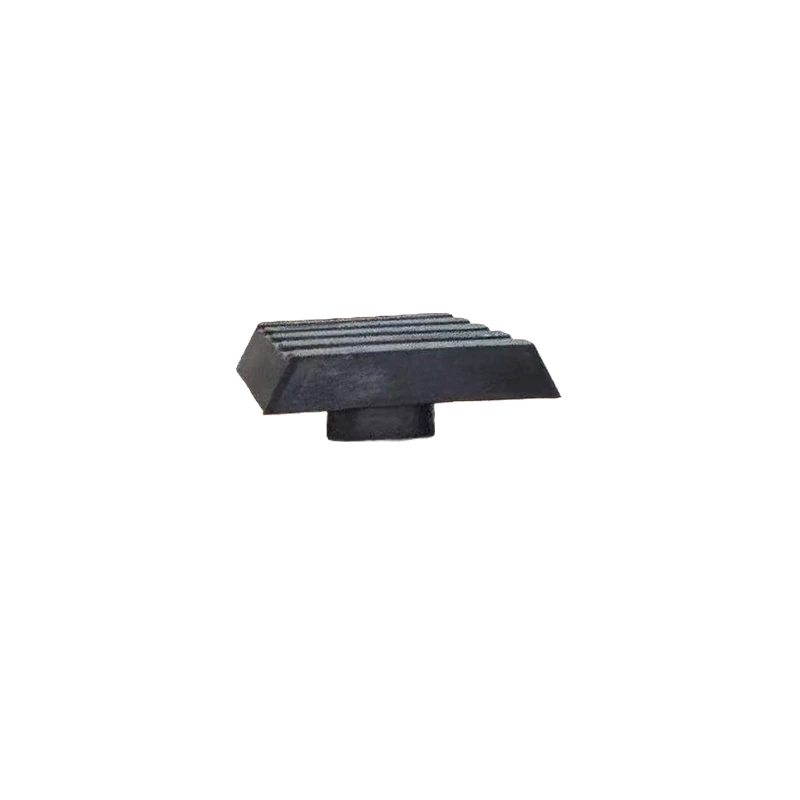
Good-quality rubber end gaskets should have sufficient tensile strength and elongation to handle the forces they'll encounter in service. For example, in automotive applications where there are vibrations and movements, a gasket with high tensile strength and elongation can better withstand the stresses. You can explore our Rubber Shock Pad, which is designed to handle such dynamic forces.
4. Compression Set Testing
Compression set measures how well a rubber gasket can recover its original shape after being compressed for a certain period. This is crucial because gaskets are often compressed between two surfaces to create a seal.
To perform a compression set test, you place the gasket in a compression fixture and compress it to a specified percentage of its original thickness (usually around 25% or 50%). Then, you leave it in the compressed state at a specific temperature for a set time (e.g., 22 hours at 70°C). After the time is up, you release the compression and measure the thickness of the gasket again after a short recovery period.
The compression set is calculated as the percentage of the permanent deformation. A low compression set value indicates that the gasket will maintain its sealing performance over time. Our Rubber Limit Pad is engineered to have a low compression set for long - term reliability.
5. Chemical Resistance Testing
Rubber end gaskets may come into contact with various chemicals in different applications. So, it's important to test their chemical resistance. You can do this by immersing the gasket specimens in the relevant chemicals for a certain period (usually a few days to weeks).
After the immersion, check the gasket for any changes in weight, volume, hardness, or appearance. For example, if the gasket swells significantly or becomes brittle after being in contact with a chemical, it may not be suitable for that application. In industrial settings where there are corrosive chemicals, chemical - resistant gaskets are essential. Our Rubber Mount for Auto Chassis is designed to resist common automotive fluids and chemicals.
6. Temperature Resistance Testing
Temperature can have a big impact on the performance of rubber end gaskets. Extreme temperatures can cause the rubber to harden, soften, or degrade. To test temperature resistance, you can use an environmental chamber.
Place the gasket specimens in the chamber and subject them to different temperature cycles. For example, you can start with a low - temperature soak (e.g., - 40°C) for a few hours, then increase the temperature to a high value (e.g., 120°C) and hold it there for a while. Observe the gasket for any signs of cracking, shrinking, or loss of elasticity.
A gasket that can maintain its performance over a wide temperature range is more versatile and reliable. This is especially important in applications like aerospace or outdoor machinery where temperatures can vary greatly.
Conclusion and Call to Action
Testing the performance of rubber end gaskets is a multi - step process that involves checking various properties. By conducting these tests, you can ensure that the gaskets you use or supply meet the required standards and will perform well in their intended applications.
If you're in the market for high - quality rubber end gaskets or have any questions about our testing processes, feel free to reach out. We're always happy to discuss your specific needs and provide the best solutions. Whether it's for a small automotive project or a large industrial application, we've got you covered.
References
- ASTM International standards for rubber testing
- ISO standards related to rubber gasket performance