

Hey there! As a rubber bushing supplier, I often get asked about the minimum temperature these little guys can tolerate. It's a crucial question, especially for industries where rubber bushings are used in harsh environments. So, let's dive right in and explore this topic.
Understanding Rubber Bushings
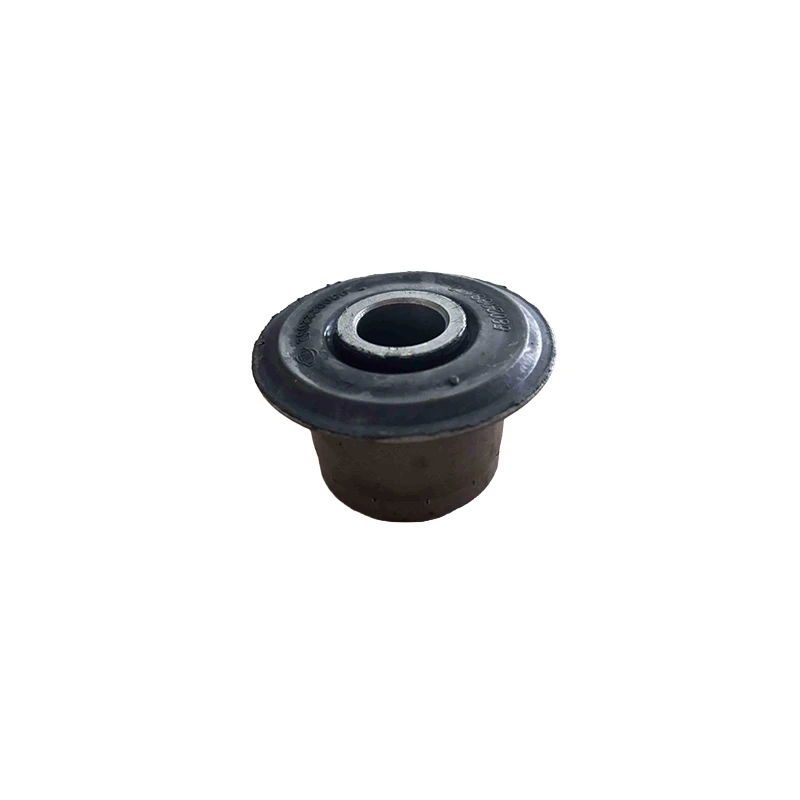
First off, what are rubber bushings? Well, they're essentially mechanical components made of rubber or a combination of rubber and other materials like steel. They're used in a wide range of applications, from automotive and aerospace to industrial machinery. Their main job is to reduce vibration, noise, and shock, as well as to provide a flexible connection between two parts.
We offer different types of rubber bushings, such as Square Rubber Bushings, Black Rubber Bushing, Elastomeric Bushing, Anti Vibration Bushings, and Steel Rubber Bushing. Each type has its own unique properties and is designed for specific applications.
Factors Affecting the Minimum Temperature Tolerance
The minimum temperature a rubber bushing can tolerate depends on several factors. One of the most important factors is the type of rubber used. Different types of rubber have different temperature ranges. For example, natural rubber has a relatively low temperature tolerance compared to synthetic rubbers like neoprene, nitrile, and silicone.
Natural rubber starts to harden and lose its flexibility at around -20°C (-4°F). This is because the rubber molecules become less mobile as the temperature drops, causing the rubber to become stiffer. At extremely low temperatures, natural rubber can become brittle and crack, which can lead to failure of the bushing.
On the other hand, synthetic rubbers are designed to have better temperature resistance. Neoprene, for instance, can tolerate temperatures as low as -40°C (-40°F). It has good resistance to oil, ozone, and weathering, making it a popular choice for outdoor applications. Nitrile rubber is also known for its excellent oil resistance and can withstand temperatures down to -30°C (-22°F). Silicone rubber, on the other hand, has the best temperature resistance among all types of rubber. It can tolerate temperatures as low as -60°C (-76°F) and as high as 200°C (392°F).
Another factor that affects the minimum temperature tolerance of a rubber bushing is the formulation of the rubber. Manufacturers can add various additives to the rubber to improve its temperature resistance. For example, they can add plasticizers to make the rubber more flexible at low temperatures. They can also add antioxidants to prevent the rubber from oxidizing and deteriorating at high temperatures.
The design of the rubber bushing also plays a role in its temperature tolerance. A bushing with a thicker wall or a more complex shape may have better temperature resistance than a bushing with a thinner wall or a simpler shape. This is because the thicker wall or the more complex shape can provide more insulation and protection for the rubber.
Testing the Minimum Temperature Tolerance
To determine the minimum temperature a rubber bushing can tolerate, manufacturers usually conduct a series of tests. One of the most common tests is the cold bend test. In this test, a sample of the rubber bushing is bent at a specific temperature for a certain period of time. If the rubber bushing does not crack or break during the test, it is considered to have passed the test.

Another test is the low-temperature compression set test. In this test, a sample of the rubber bushing is compressed at a specific temperature for a certain period of time. After the compression, the sample is allowed to recover at room temperature. The amount of compression set is then measured. A lower compression set indicates better temperature resistance.
Applications in Cold Environments
Rubber bushings are used in many applications where they are exposed to cold temperatures. For example, in the automotive industry, rubber bushings are used in the suspension system, steering system, and engine mounts. In cold climates, these bushings need to be able to withstand low temperatures without losing their flexibility and performance.
In the aerospace industry, rubber bushings are used in aircraft landing gear, control surfaces, and engine mounts. These bushings need to be able to withstand extreme temperatures, both hot and cold, as well as high levels of vibration and shock.
In the industrial machinery industry, rubber bushings are used in conveyor systems, pumps, and compressors. In cold environments, these bushings need to be able to prevent vibration and noise, as well as to provide a flexible connection between two parts.
Choosing the Right Rubber Bushing for Cold Environments
When choosing a rubber bushing for a cold environment, it's important to consider the minimum temperature tolerance of the bushing. You should also consider the other factors that affect the performance of the bushing, such as the type of rubber, the formulation of the rubber, and the design of the bushing.
If you're not sure which type of rubber bushing is right for your application, you can consult with a rubber bushing supplier. They can help you choose the right bushing based on your specific requirements and the environment in which the bushing will be used.
Conclusion
In conclusion, the minimum temperature a rubber bushing can tolerate depends on several factors, including the type of rubber, the formulation of the rubber, and the design of the bushing. Different types of rubber have different temperature ranges, and manufacturers can add various additives to the rubber to improve its temperature resistance.
If you're in the market for rubber bushings, especially for applications in cold environments, we're here to help. We offer a wide range of high-quality rubber bushings that can meet your specific needs. Whether you need Square Rubber Bushings, Black Rubber Bushing, Elastomeric Bushing, Anti Vibration Bushings, or Steel Rubber Bushing, we've got you covered.
Don't hesitate to reach out to us if you have any questions or if you're interested in purchasing our rubber bushings. We're always happy to help you find the right solution for your application.
References
- ASTM D2137 - Standard Test Methods for Rubber Property - Flexibility at Low Temperatures
- ISO 2921 - Rubber, vulcanized - Determination of low - temperature stiffening (TR test)
- Rubber Technology Handbook, Werner Hofmann