

As a supplier of rubber mounting pads, I get asked a lot about the environmental regulations that apply to our products. It's a hot topic these days, and for good reason. The environmental impact of industrial products is under the spotlight, and rubber mounting pads are no exception. In this blog, I'll share some insights on the environmental regulations related to rubber mounting pads and how they affect our business.
Understanding the Rubber Mounting Pad Market
First off, let's talk a bit about rubber mounting pads. These pads are used in a wide range of industries, from automotive to industrial machinery. They're designed to reduce vibration, noise, and shock, making them essential components for many applications. Some of our popular products include Automotive Rubber Buffer Assembly, Rubber Buffer Pad, Rubber Limit Pad, Rubber Shock Absorber, and Rubber Mount for Auto Chassis.
The market for rubber mounting pads is huge, and it's growing. As industries become more advanced and demand for high - performance equipment increases, the need for reliable rubber mounting solutions also goes up. But with this growth comes greater scrutiny from environmental regulators.

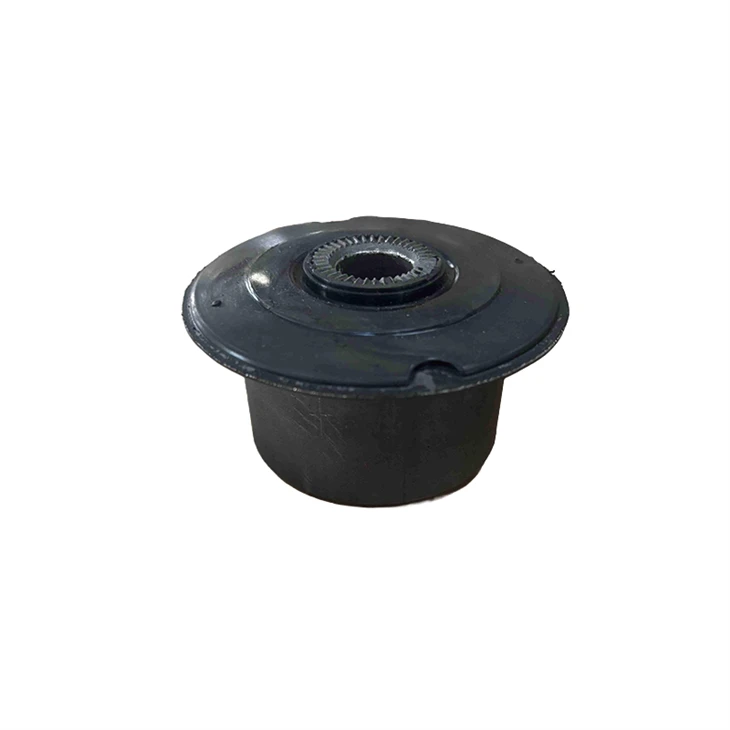
Global Environmental Regulations Affecting Rubber Mounting Pads
One of the main concerns with rubber products is the use of chemicals. Rubber manufacturing often involves the use of various additives, such as plasticizers, antioxidants, and curing agents. Some of these chemicals can be harmful to the environment and human health if not properly managed.
REACH Regulations
The Registration, Evaluation, Authorization, and Restriction of Chemicals (REACH) is a European Union regulation that aims to protect human health and the environment from the risks posed by chemicals. Under REACH, manufacturers and importers of chemicals and products containing chemicals have to register their substances with the European Chemicals Agency (ECHA).
This means that as a rubber mounting pad supplier, if we want to sell our products in the EU, we need to ensure that the chemicals used in our manufacturing process comply with REACH requirements. This includes providing safety data sheets, conducting risk assessments, and adhering to restrictions on certain hazardous substances.
RoHS Directive
The Restriction of Hazardous Substances (RoHS) Directive is another important regulation. It restricts the use of specific hazardous materials in electrical and electronic equipment. Although rubber mounting pads aren't typically considered electrical or electronic equipment, in some automotive and industrial applications, they may be part of a larger system that falls under the RoHS scope.
The directive limits the use of substances like lead, mercury, cadmium, hexavalent chromium, polybrominated biphenyls (PBBs), and polybrominated diphenyl ethers (PBDEs). We need to make sure that our products are free from these restricted substances to meet the requirements of customers in markets that follow the RoHS directive.
Environmental Protection Agency (EPA) Regulations in the United States
In the United States, the EPA has a set of regulations that govern the manufacturing, use, and disposal of industrial products, including rubber products. The EPA focuses on issues such as air emissions, waste management, and water pollution.
For example, during the rubber manufacturing process, there can be emissions of volatile organic compounds (VOCs) and other pollutants. We need to have proper air pollution control measures in place to reduce these emissions. Also, when it comes to waste rubber, we need to follow the EPA's guidelines for proper disposal or recycling.
How These Regulations Impact Our Business
Complying with these environmental regulations is not just about doing the right thing; it's also crucial for our business. First of all, it allows us to access global markets. Many customers, especially in developed countries, require suppliers to meet certain environmental standards. If we don't comply, we risk losing out on potential sales.
Secondly, environmental regulations drive innovation. We're constantly looking for ways to reduce our environmental footprint. This has led us to invest in new manufacturing technologies and materials. For example, we're exploring the use of more sustainable rubber sources and developing processes that generate less waste.
However, compliance also comes with costs. We need to invest in testing equipment, hire environmental consultants, and train our employees. These additional costs can put pressure on our profit margins, especially in a competitive market.
Our Approach to Environmental Compliance
As a responsible supplier, we take environmental compliance very seriously. We've established a comprehensive quality management system that includes environmental control measures. Our research and development team is constantly working on improving our products and processes to meet the latest environmental regulations.
We source our raw materials from suppliers who have a good environmental track record. We also conduct regular inspections and tests on our products to ensure that they meet the required standards. Additionally, we're actively involved in recycling initiatives. Rubber is a valuable material, and by recycling waste rubber, we can reduce our environmental impact and cut down on raw material costs.
Looking to the Future
The environmental regulations related to rubber mounting pads are likely to become more stringent in the future. As the world becomes more environmentally conscious, there will be greater demand for eco - friendly products. We're prepared to meet these challenges by continuing to invest in research and development and by collaborating with other industry players.
We believe that by being proactive in environmental compliance, we can not only protect the environment but also gain a competitive edge in the market. Our goal is to be a leader in providing high - quality, environmentally friendly rubber mounting pads.
Let's Connect for Business
If you're in the market for rubber mounting pads and are concerned about environmental compliance, you're in the right place. We have a wide range of products that meet the highest environmental standards. Whether you need Automotive Rubber Buffer Assembly, Rubber Buffer Pad, Rubber Limit Pad, Rubber Shock Absorber, or Rubber Mount for Auto Chassis, we've got you covered.
Get in touch with us to discuss your specific requirements. We're ready to work with you to find the best rubber mounting solutions for your business.
References
- European Chemicals Agency (ECHA). "REACH - The European Chemicals Regulation."
- European Union. "Directive 2011/65/EU on the restriction of the use of certain hazardous substances in electrical and electronic equipment (RoHS)."
- United States Environmental Protection Agency (EPA). "Regulations for industrial products and waste management."