

Can rubber end gaskets be used in nuclear power plants? That's a question I've been asked a bunch of times as a rubber end gasket supplier. Let's dig into this topic and see if these gaskets have a place in the high - stakes world of nuclear power.

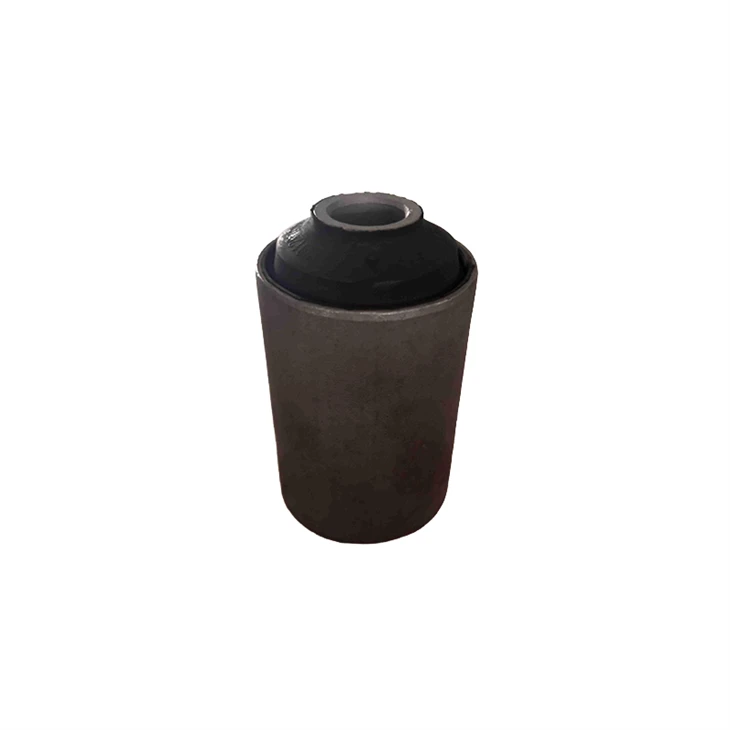
First off, let's understand what rubber end gaskets are. They're basically seals made of rubber that are used to prevent leaks between two parts. They come in all sorts of shapes and sizes, and we offer a wide range of them, like Rubber Shock Absorber, Rubber Damper Pad, Automotive Rubber Buffer Assembly, Rubber Buffer Block, and Rubber End Cushion. These gaskets are super versatile and are used in many different industries, from automotive to manufacturing.
But nuclear power plants are a whole different ballgame. They operate in some of the most extreme conditions you can think of. There's high radiation, intense heat, and extremely high pressure. These conditions are so tough that not every material can handle them. So, can rubber end gaskets cut it?
One of the biggest concerns in nuclear power plants is radiation. Radiation can break down the molecular structure of materials over time. Rubber is no exception. When rubber is exposed to high levels of radiation, it can become brittle, crack, and lose its elasticity. This is a huge problem because the main job of a gasket is to create a tight seal. If the rubber becomes brittle and cracks, it won't be able to seal properly, which could lead to leaks of radioactive materials.
Heat is another major factor. Nuclear power plants generate a ton of heat. Rubber gaskets need to be able to withstand these high temperatures without losing their sealing properties. Some types of rubber have better heat resistance than others. For example, silicone rubber can handle relatively high temperatures compared to natural rubber. But even silicone rubber has its limits. If the temperature gets too high, it can start to break down and lose its effectiveness.
Pressure is also a critical consideration. Nuclear power plants operate under high pressure to maintain the proper flow of coolant and other fluids. The gaskets need to be able to withstand this pressure without deforming or failing. If a gasket fails under pressure, it can cause a loss of coolant, which can lead to a serious accident.
However, it's not all doom and gloom for rubber end gaskets in nuclear power plants. There are some situations where they can be used. For instance, in non - critical areas where the radiation, heat, and pressure levels are relatively low. These areas might include some of the auxiliary systems in the power plant, like the ventilation systems or the water treatment facilities. In these areas, the requirements for the gaskets are not as strict, and rubber end gaskets can be a cost - effective and reliable solution.
Another option is to use specially formulated rubber materials. Scientists and engineers have been working on developing rubber compounds that are more resistant to radiation, heat, and pressure. These advanced rubber materials can potentially be used in more critical areas of the nuclear power plant. For example, some rubber compounds are reinforced with special fibers or additives that improve their strength and durability. These reinforced rubber gaskets can withstand higher levels of stress and are less likely to fail under extreme conditions.
When it comes to choosing the right rubber end gaskets for nuclear power plants, it's crucial to do a thorough risk assessment. You need to consider the specific conditions in each part of the power plant, including the radiation levels, temperature, pressure, and the type of fluids that the gaskets will be in contact with. Based on this assessment, you can select the most appropriate type of rubber material and gasket design.
In addition to the technical aspects, there are also strict regulations and safety standards that govern the use of materials in nuclear power plants. These regulations are in place to ensure the safety of the plant, the workers, and the surrounding environment. Any rubber end gasket used in a nuclear power plant must meet these standards. This means that the gaskets need to be tested and certified by independent third - party organizations to prove their reliability and safety.
As a rubber end gasket supplier, I understand the importance of providing high - quality products that meet the strict requirements of the nuclear industry. We work closely with our customers to understand their specific needs and provide them with the best possible solutions. Whether it's a standard gasket for a non - critical area or a custom - made gasket for a high - stress application, we have the expertise and the resources to deliver.
If you're involved in the nuclear power industry and you're looking for reliable rubber end gaskets, don't hesitate to reach out. We're here to help you find the right gaskets for your specific needs. We can offer technical advice, product samples, and competitive pricing. Let's work together to ensure the safe and efficient operation of your nuclear power plant.
References:
- "Materials Science in Nuclear Engineering" - A comprehensive textbook that covers the properties of different materials used in nuclear power plants.
- Industry reports on the use of rubber materials in high - stress environments.
- Technical papers on the development of radiation - resistant rubber compounds.