

Yo, what's up everyone! I'm an elastomeric bushing supplier, and I've been in this game for a while. Today, I wanna talk about how new materials are gonna shake up the development of elastomeric bushings.
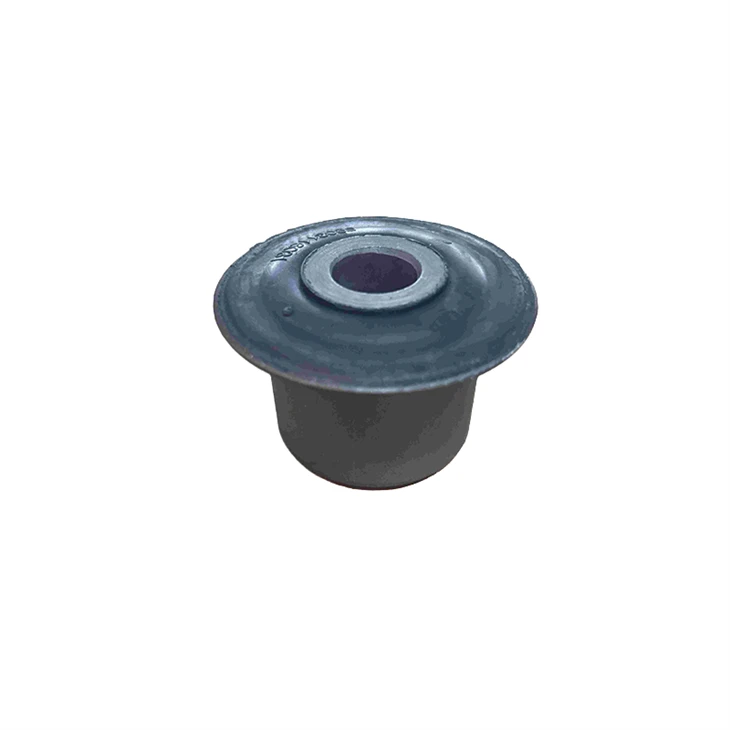
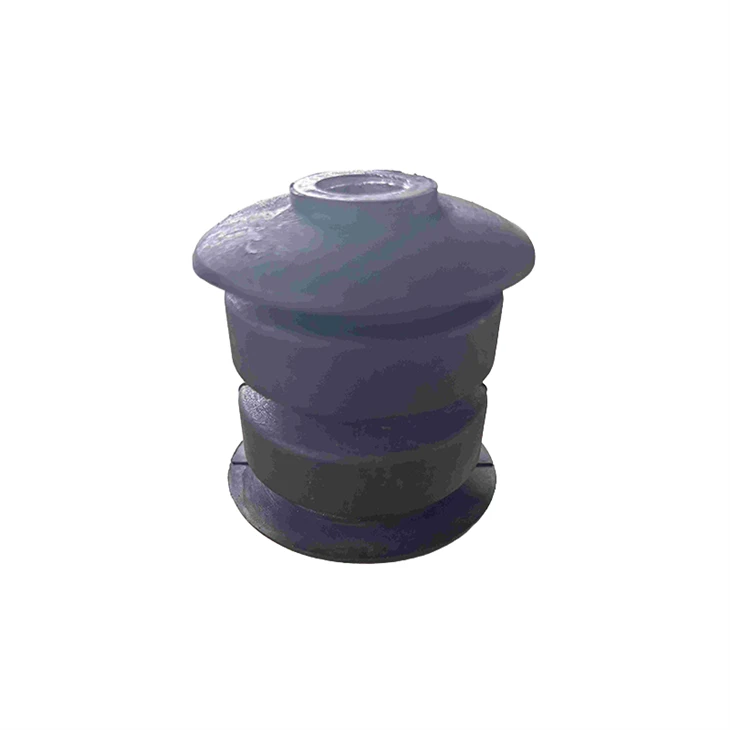
First off, let's quickly go over what elastomeric bushings are. They're basically these nifty little components made of rubber or other elastomeric materials. They're used in all sorts of applications, from automotive and aerospace to industrial machinery. Their main job is to reduce vibration, noise, and shock, while also providing some flexibility and support.
Now, the traditional materials for making these bushings have been around for ages. Good ol' rubber has been the go - to for a long time. It's got decent elasticity, can handle a fair amount of stress, and is relatively cheap to produce. But as technology advances and industries demand more from these bushings, the limitations of traditional materials are starting to show.
That's where new materials come in. One of the most exciting new materials in the elastomeric bushing world is synthetic elastomers. These are man - made materials that can be engineered to have very specific properties. For example, some synthetic elastomers can withstand much higher temperatures than natural rubber. In applications like high - performance engines or industrial ovens, this is a game - changer. With traditional rubber bushings, high temperatures could cause the rubber to degrade, lose its elasticity, and eventually fail. But synthetic elastomers can hold up under these extreme conditions, making the bushings last longer and perform better.
Another cool thing about synthetic elastomers is that they can be formulated to have better chemical resistance. In automotive and industrial settings, bushings can come into contact with all sorts of chemicals, like oil, fuel, and cleaning agents. Traditional rubber can be damaged or degraded by these chemicals over time. But with new synthetic elastomers, we can create bushings that can resist these chemical attacks, ensuring a longer service life.
Carbon fiber - reinforced elastomers are also on the rise. Carbon fiber is known for its high strength - to - weight ratio. When combined with elastomers, it can significantly improve the mechanical properties of the bushing. For instance, a carbon fiber - reinforced elastomeric bushing can have much higher stiffness and load - bearing capacity compared to a regular rubber one. This is super useful in applications where the bushing needs to support heavy loads, like in large industrial machinery or heavy - duty vehicles. You can check out our Large Rubber Bushing products which might benefit from such new materials.
Nanocomposites are another area of innovation. Nanoparticles, such as nano - silica or nano - clay, can be added to the elastomeric matrix. These nanoparticles can enhance various properties of the bushing. They can improve the bushing's mechanical strength, abrasion resistance, and even its electrical conductivity in some cases. For example, in applications where static electricity needs to be dissipated, a bushing with enhanced electrical conductivity from nanocomposites can be a great solution.
The impact of these new materials on the development of elastomeric bushings is huge. In terms of performance, as I mentioned earlier, the new materials allow the bushings to operate under more extreme conditions. This means that industries can push the boundaries of what their equipment can do. For example, in the aerospace industry, where weight reduction and high - performance are crucial, the use of new, lightweight yet strong materials in elastomeric bushings can contribute to more efficient aircraft design.
The durability of the bushings is also greatly improved. With better resistance to temperature, chemicals, and wear, the bushings need to be replaced less frequently. This not only saves money on replacement parts but also reduces downtime for maintenance. In industries where every minute of operation counts, like the manufacturing sector, this is a major advantage.
From a design perspective, new materials offer more flexibility. Engineers can now design bushings with very specific performance characteristics. Instead of having to make compromises due to the limitations of traditional materials, they can fine - tune the properties of the bushing to meet the exact requirements of the application. For example, if a particular machine needs a bushing with a very specific level of vibration damping, new materials can be used to create a custom - designed bushing that achieves just that. You can take a look at our Vibration Damping Bushings and Vibration Isolation Bushings to see how we're applying these new design possibilities.
However, there are also some challenges that come with using new materials. One of the main issues is cost. New materials are often more expensive to produce compared to traditional rubber. This can make the initial cost of the bushings higher. But when you consider the long - term savings in terms of reduced maintenance and replacement costs, it might be worth the investment.
Another challenge is processing. Some new materials require specialized manufacturing techniques. This means that suppliers need to invest in new equipment and train their workers to handle these materials properly. As a supplier, we've had to make some significant changes to our production line to be able to work with these new materials effectively.
In the market, the demand for elastomeric bushings made from new materials is growing. Customers are becoming more aware of the benefits that these new materials offer. They're looking for products that can provide better performance, longer service life, and more customized solutions. As a supplier, we've seen an increasing number of inquiries for bushings made from synthetic elastomers, carbon fiber - reinforced elastomers, and nanocomposites.
We've also been working hard to educate our customers about the advantages of these new materials. We understand that some customers might be hesitant to switch from traditional rubber bushings due to concerns about cost and compatibility. That's why we offer samples and technical support to help them make the transition smoothly.
Our Rubber Bushings with Steel Sleeve and Square Rubber Bushings product lines are also being upgraded with new materials. For example, we're using synthetic elastomers in some of our steel - sleeved bushings to improve their chemical resistance and temperature performance. And in our square rubber bushings, carbon fiber - reinforced elastomers are being used to increase their load - bearing capacity.
In conclusion, new materials are having a profound impact on the development of elastomeric bushings. They're opening up new possibilities in terms of performance, durability, and design. While there are challenges to overcome, the benefits far outweigh the drawbacks. As a supplier, we're excited to be at the forefront of this innovation and are committed to providing our customers with the best elastomeric bushing solutions.
If you're in the market for high - quality elastomeric bushings, whether it's for automotive, aerospace, or industrial applications, we'd love to talk to you. We can discuss your specific needs and show you how our products made with new materials can meet and exceed your expectations. Reach out to us for a quote or to start a conversation about your bushing requirements.
References:
- "Elastomers and Their Composites" by B. K. Gupta
- "Advanced Materials for Engineering Applications" edited by John Doe