

Hey there, fellow car enthusiasts and mechanics! As a suspension bushing supplier, I get asked a lot about the differences between solid and flexible suspension bushings. It's a topic that can really impact how your vehicle performs, so I'm stoked to break it down for you.
What Are Suspension Bushings Anyway?
First off, let's quickly talk about what suspension bushings are. Think of them as the little guys that connect different parts of your vehicle's suspension system. They're like the shock absorbers between metal components, reducing noise, vibration, and harshness (NVH). They also help in maintaining proper alignment and handling of your vehicle.

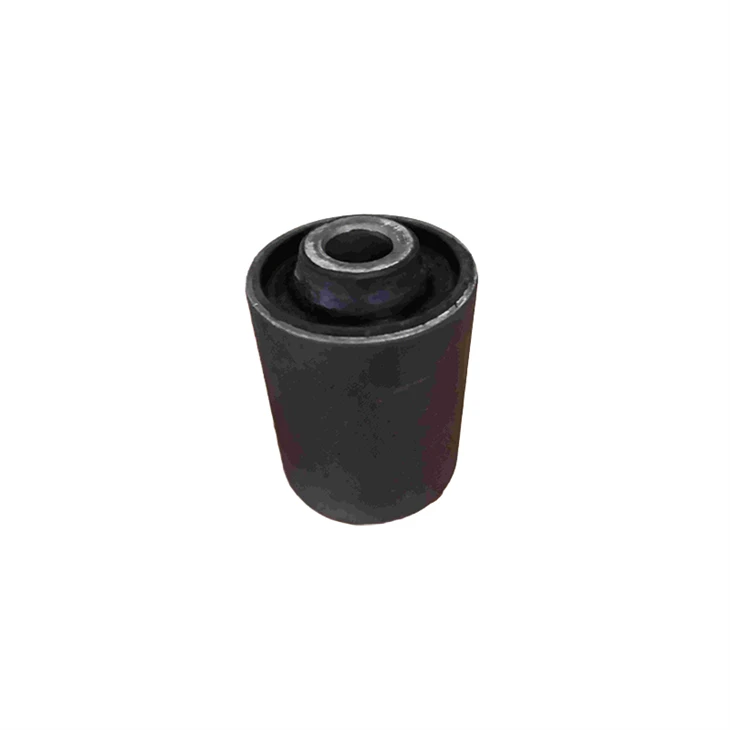
Now, there are different types of suspension bushings out there. You've got Anti Vibration Bushings, which are designed to cut down on the vibrations that make your ride feel rough. Elastomeric Bushing is another popular type. These are made of elastomers, which give them that flexible quality. Then we have Leaf Spring Bushing, used in leaf spring suspension systems, Vibration Bushings, and Vibration Isolation Bushings.
Solid Suspension Bushings
Let's start with solid suspension bushings. These are typically made from materials like polyurethane or metal. The main deal with solid bushings is that they're super rigid. They don't flex much at all.
Advantages
- Precise Handling: One of the biggest perks of solid bushings is the improved handling. Because they're so stiff, they transfer forces more directly from the suspension components to the chassis. This means when you turn the steering wheel or hit the brakes, your vehicle responds more quickly. It's like having a more direct connection between you and the road. So, if you're into track days or just love carving up winding roads, solid bushings can really up your game.
- Durability: Solid bushings are tough as nails. They can withstand a lot of abuse, especially in high-stress situations like off-roading or racing. They don't wear out as quickly as their flexible counterparts and can last for a really long time before needing to be replaced.
Disadvantages
- Harsh Ride: The same stiffness that makes solid bushings great for handling can also make your ride less comfortable. They transmit a lot more vibrations and road noise into the cabin. You'll feel every little bump and crack in the road, which can be a real pain on long drives or rough city streets.
- Increased Wear on Other Parts: Since solid bushings transfer forces so directly, they can cause increased wear and tear on other suspension components. This means you might have to replace things like ball joints or control arms more frequently.
Flexible Suspension Bushings
Flexible suspension bushings, usually made of rubber, are the exact opposite of solid bushings in many ways. They're designed to flex and absorb shocks.
Advantages
- Comfort: The number one advantage of flexible bushings is the comfort they provide. They do an amazing job of isolating the cabin from road vibrations and noise. Your ride will feel smooth and quiet, even on bumpy roads. This is great for daily drivers who spend a lot of time in their cars.
- Less Wear on Other Parts: Because flexible bushings absorb shocks, they reduce the stress on other suspension components. This can lead to longer service life for parts like ball joints, control arms, and even the chassis itself.
Disadvantages
- Looser Handling: The flexibility of these bushings means that there's a bit more "give" in the suspension system. This can result in a looser, less precise handling feel. When you turn the steering wheel, there might be a slight delay in response, and the vehicle might roll more in corners.
- Shorter Lifespan: Rubber bushings degrade over time, especially when exposed to harsh chemicals, extreme temperatures, and UV rays. They might need to be replaced more often compared to solid bushings.
Which One Should You Choose?
So, now that you know the pros and cons of both solid and flexible suspension bushings, which one should you go for? Well, it depends on your driving style and needs.
If you're a performance junkie who loves track days or aggressive driving, solid bushings are probably the way to go. They'll give you the precise handling and durability you need to push your vehicle to the limit.
On the other hand, if you're a daily commuter or someone who values a comfortable ride, flexible bushings are the better choice. They'll keep your ride smooth and quiet, and they'll also help extend the life of your other suspension parts.
Making the Right Choice with Our Products
At our suspension bushing supply business, we understand that every driver is different. That's why we offer a wide range of both solid and flexible bushings to meet your specific needs. Whether you're looking for the Anti Vibration Bushings to quiet down your ride or the Leaf Spring Bushing for your classic car's suspension, we've got you covered.
We take pride in the quality of our products. Our solid bushings are made from high-grade materials that are built to last, and our flexible bushings provide optimal comfort without sacrificing performance.
Let's Talk Business
If you're in the market for suspension bushings, whether you're a mechanic, a car enthusiast, or a business looking to stock up, we'd love to hear from you. We're here to help you make the right choice for your vehicle or your customers. Just reach out to us to discuss your requirements, and we can work together to find the perfect suspension bushings for you.
References
- "Automotive Suspension Systems" by Jack Erjavec
- Various automotive engineering textbooks and online resources on suspension technology