

Hey there! As a supplier of Mounting Cushion Isolators, I've seen firsthand how the aging process can significantly impact the performance of these essential components. In this blog, I'll dive into the nitty - gritty of how aging affects the performance of mounting cushion isolators.
What are Mounting Cushion Isolators?
Before we get into the effects of aging, let's quickly go over what mounting cushion isolators are. These are devices made from materials like rubber or other elastomers. Their main job is to isolate vibrations and shocks between two surfaces. They're used in a whole bunch of applications, from industrial machinery to automotive parts. For example, in a car engine, a mounting cushion isolator helps reduce the vibrations transferred from the engine to the car body, making for a smoother ride.
The Aging Process of Mounting Cushion Isolators
Aging of mounting cushion isolators is a natural process that occurs over time. There are several factors that contribute to this aging.
Environmental Factors
One of the biggest culprits is the environment. Exposure to high temperatures can cause the rubber in the isolator to break down. When rubber is heated for long periods, it loses its elasticity. Think of it like a rubber band that you've left in the sun for too long. It becomes brittle and snaps easily. UV radiation also plays a role. Sunlight can cause the surface of the isolator to degrade, leading to cracks and a loss of material integrity.
Moisture is another issue. If the isolator is constantly exposed to water or high humidity, it can lead to corrosion, especially if there are any metal parts in the isolator. And chemicals in the environment, like oils, solvents, or acids, can also react with the rubber, causing it to swell or harden.
Mechanical Stress
The amount of mechanical stress the isolator is under also affects its aging. If it's constantly being compressed, stretched, or sheared, the internal structure of the rubber can start to break down. For instance, in a heavy - duty industrial machine, the isolator might be subject to high - frequency vibrations and large forces. Over time, these repeated stresses can cause the rubber to fatigue, leading to a decrease in its performance.
How Aging Affects Performance
Loss of Elasticity
As the isolator ages, one of the most noticeable changes is the loss of elasticity. Elasticity is crucial for a mounting cushion isolator because it allows the isolator to absorb and dissipate vibrations. When the rubber loses its elasticity, it becomes stiffer. This means it can't deform as easily to absorb shocks. For example, if you have a machine that vibrates at a certain frequency, a new isolator can flex and move with the vibrations, reducing the amount of energy transferred to the surrounding structure. But an aged, stiff isolator won't be able to do this as effectively, and more vibrations will be passed on.
Reduced Damping Capacity
Damping is the ability of the isolator to convert the energy of vibrations into heat. A good isolator has a high damping capacity, which helps to quickly reduce the amplitude of vibrations. However, as the isolator ages, its damping capacity decreases. This is because the internal structure of the rubber changes, and it becomes less efficient at converting vibration energy into heat. So, vibrations take longer to die down, and the overall performance of the isolation system is affected.
Changes in Load - Bearing Capacity
The load - bearing capacity of an isolator can also be affected by aging. A new isolator is designed to support a certain amount of weight and force. But as the rubber ages and becomes weaker, it may not be able to handle the same load. This can lead to excessive deformation or even failure of the isolator. For example, in a building's HVAC system, if the mounting cushion isolators can't support the weight of the equipment due to aging, it can cause the equipment to shift or become misaligned, which can lead to further problems.
Impact on Different Types of Applications
Industrial Applications
In industrial settings, aging isolators can cause a whole host of problems. Machines rely on isolators to operate smoothly and quietly. When the isolators age and their performance declines, it can lead to increased noise levels. This not only makes the working environment unpleasant but can also be a safety hazard if workers are exposed to high - decibel noise for long periods.
Moreover, the reduced isolation performance can cause increased wear and tear on the machinery itself. The vibrations that are not properly absorbed can cause parts to loosen, break, or wear out faster. This means more frequent maintenance and replacement of parts, which can be costly for the company.
Automotive Applications
In cars, aging mounting cushion isolators can have a big impact on the driving experience. As mentioned earlier, they help reduce engine vibrations. When they age, the vibrations are more likely to be felt inside the car. This can make the ride less comfortable and can also cause rattling noises.
In addition, the handling of the car can be affected. The isolators play a role in keeping the engine and other components in place. If they fail due to aging, it can lead to misalignment of the engine, which can affect the steering and overall stability of the car.
Solutions and Mitigation
Regular Inspection
One of the best ways to deal with the effects of aging is to conduct regular inspections. By checking the isolators periodically, you can spot signs of aging early. Look for cracks, changes in color, or any signs of deformation. If you notice any of these issues, it's a good idea to replace the isolator before it fails completely.
Proper Storage and Installation
Proper storage and installation can also help slow down the aging process. When storing isolators, keep them in a cool, dry place away from direct sunlight and chemicals. During installation, make sure the isolator is installed correctly. Incorrect installation can put extra stress on the isolator, causing it to age faster.
Using High - Quality Materials
Using high - quality materials in the manufacturing of mounting cushion isolators can also make a big difference. High - quality rubber is more resistant to environmental factors and mechanical stress. At our company, we take pride in using the best materials to ensure our isolators have a long lifespan and maintain their performance over time.
Our Products
We offer a wide range of mounting cushion isolators, as well as related products like Rubber End Cushion, Rubber Buffer Block, Rubber Buffer Pad, Rubber Isolation Pad, and Rubber Shock Block. Our products are designed to withstand the test of time and provide excellent performance in various applications.

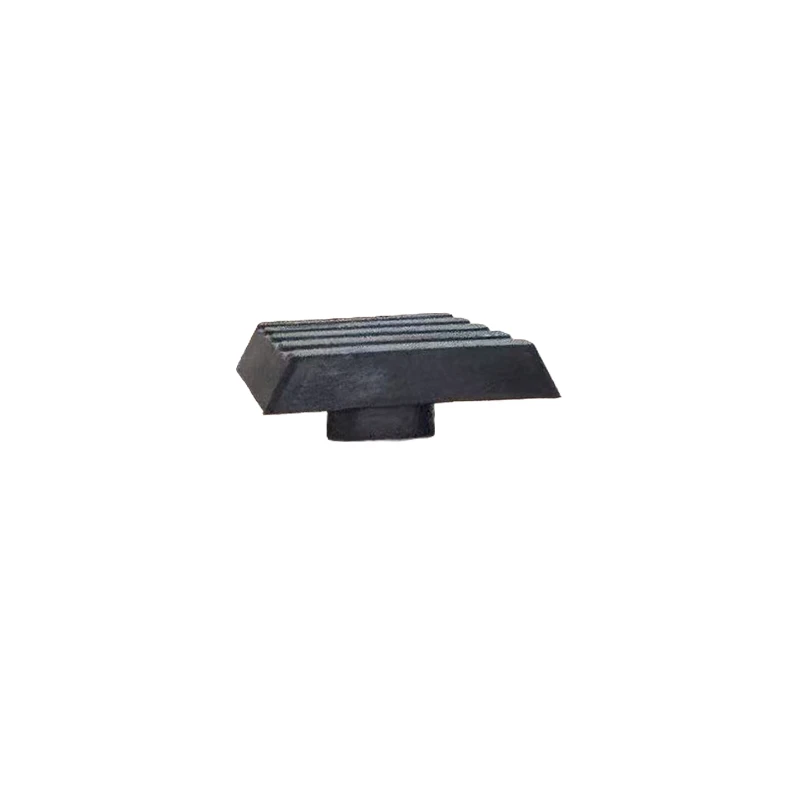
If you're in the market for mounting cushion isolators or any of our related products, we'd love to talk to you. Whether you have questions about our products, need help with installation, or want to discuss a custom solution, don't hesitate to reach out. We're here to help you find the best isolation solutions for your needs.
References
- Smith, J. (2018). "Vibration Isolation in Industrial Machinery". Industrial Engineering Journal.
- Johnson, A. (2019). "The Effects of Aging on Rubber Components". Materials Science Review.
- Brown, C. (2020). "Automotive Vibration Isolation Systems". Automotive Technology Magazine.