

Hey there! As a supplier of rubber end gaskets, I often get asked if these handy little things can be used in cold regions. You bet, I've done my fair share of research and have some real - world experience on this topic. So, let's dive right in and find out if rubber end gaskets are up for the cold - weather challenge.
Understanding Rubber End Gaskets
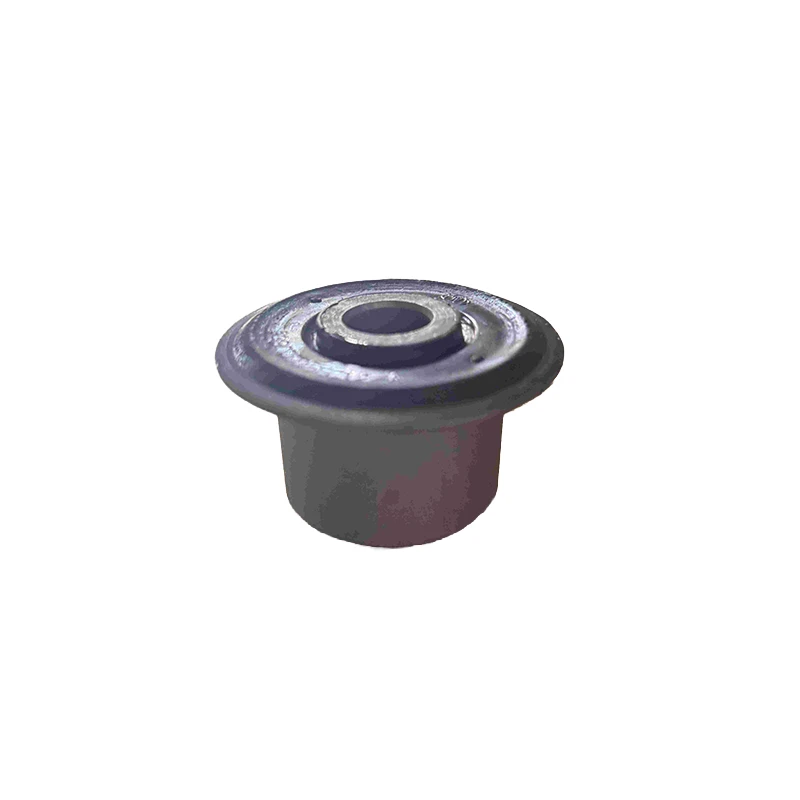
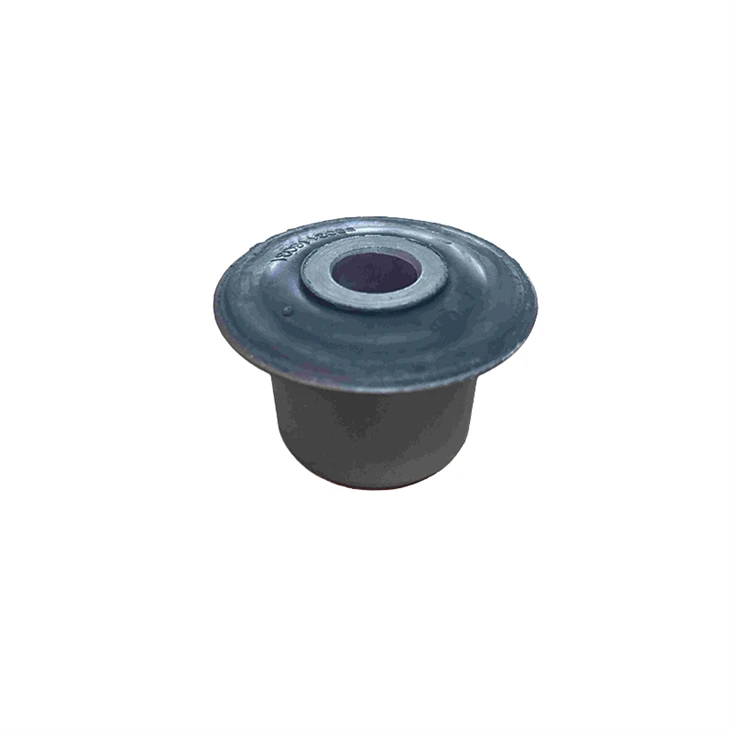
First off, what are rubber end gaskets? Well, they're basically seals made from rubber that are used in a whole bunch of applications. They can be found in cars, machinery, and even in some household items. Their main job is to prevent leaks, whether it's of liquids, gases, or even dust and debris. They come in different shapes, sizes, and materials, each designed for specific uses.
The Effects of Cold Temperatures on Rubber
Now, rubber is an amazing material, but it does have its quirks when it comes to cold weather. When the temperature drops, rubber tends to become stiffer. This is because the molecules in the rubber slow down and start to pack closer together. As a result, the rubber loses some of its flexibility and elasticity.
If the temperature gets cold enough, rubber can become brittle. This means it's more likely to crack or break under stress. In a gasket application, this is a big no - no. A cracked or broken gasket can lead to leaks, which can cause all sorts of problems, from machinery malfunctions to environmental hazards.
But here's the good news: not all rubbers are created equal. Some types of rubber are better suited for cold temperatures than others.
Rubbers That Can Stand the Cold
Nitrile Rubber (NBR)
Nitrile rubber is a popular choice for gaskets in many applications. It has good resistance to oil, fuel, and chemicals. When it comes to cold temperatures, nitrile rubber can perform well down to around - 40°F (- 40°C). That's pretty cold! It retains a decent amount of flexibility even in these frigid conditions, which makes it suitable for a lot of cold - region applications.
Silicone Rubber
Silicone rubber is another great option for cold - weather use. It can withstand extremely low temperatures, often down to - 100°F (- 73°C). Silicone rubber has excellent flexibility even in the cold, which means it can maintain a good seal. It's also resistant to UV rays and oxidation, which is a plus in harsh outdoor environments.
Neoprene Rubber
Neoprene rubber is known for its good overall performance. It has decent resistance to oil, ozone, and weathering. In terms of cold - temperature performance, neoprene can work well down to around - 20°F (- 29°C). It may not be as cold - tolerant as nitrile or silicone in extreme cases, but it's still a reliable choice for many cold - region applications.
Applications in Cold Regions
Automotive Industry
In cold regions, cars need to be able to withstand the harsh winter conditions. Rubber end gaskets play a crucial role in this. For example, gaskets are used in the engine to seal the cylinders and prevent coolant and oil leaks. They're also used in the doors and windows to keep out the cold air and moisture. Products like the Rubber Mount for Auto Chassis and Automotive Rubber Buffer Assembly are essential components that rely on rubber gaskets for proper functioning in cold weather.
Industrial Machinery
Industrial machinery in cold regions also depends on rubber end gaskets. Whether it's in mining equipment, construction machinery, or food processing plants, gaskets are used to seal pipes, valves, and other components. The Rubber Shock Pad and Rubber Buffer Pad are examples of products where rubber gaskets provide important cushioning and sealing functions, even in cold temperatures.
Building and Construction
In buildings in cold areas, rubber gaskets are used in windows, doors, and roofing systems. They help to insulate the building, keeping the warm air inside and the cold air outside. The Rubber Limit Pad can be used in building structures to provide a stop or limit movement, and the rubber gasket ensures it functions properly in the cold.
Factors to Consider When Using Rubber End Gaskets in Cold Regions
Temperature Range
The first thing you need to consider is the lowest temperature the gasket will be exposed to. Make sure you choose a rubber material that can handle that temperature. You don't want to end up with a brittle gasket that breaks easily.
Flexibility Requirements
Think about how flexible the gasket needs to be. In some applications, such as those where there's a lot of movement, you'll need a rubber that can bend without cracking in the cold.
Chemical Exposure
If the gasket will be exposed to chemicals, make sure the rubber material is resistant to those chemicals, even in cold temperatures. Some chemicals can react with rubber and cause it to degrade faster.
Installation
Proper installation is key. In cold weather, rubber can be more difficult to install. Make sure to follow the manufacturer's instructions carefully. Sometimes, warming the rubber slightly can make installation easier, but be careful not to overheat it.
My Experience as a Supplier
Over the years, I've supplied rubber end gaskets to customers in all sorts of climates, including very cold regions. I've seen firsthand how important it is to choose the right rubber material. I've also had customers who didn't realize the impact of cold temperatures on rubber, and they had some issues with gasket failure.
That's why I always make sure to educate my customers about the best rubber choices for their specific applications. I also offer a wide range of rubber end gaskets made from different materials, so they can find the perfect fit for their needs.
Conclusion
So, can rubber end gaskets be used in cold regions? The answer is yes, but you need to choose the right type of rubber. Nitrile, silicone, and neoprene are all good options, depending on your specific requirements. As a supplier, I'm here to help you make the right choice. Whether you need gaskets for your car, industrial machinery, or building project, I've got you covered.
If you're interested in purchasing rubber end gaskets for your cold - region applications, I'd love to talk to you. Contact me for more information and let's start a conversation about your specific needs. I'm confident that we can find the perfect rubber end gaskets for you.
References
- "Rubber Technology: Compounding, Testing, and Processing" by Maurice Morton.
- "The Handbook of Elastomers" edited by Ian Franta.