

Hey there! If you're in the market for high - quality rubber bushings, you're in the right place. I'm a supplier of Encased Rubber Bushings, and today, I wanna talk about one of the most common questions I get asked: What is the lifespan of an encased rubber bushing?
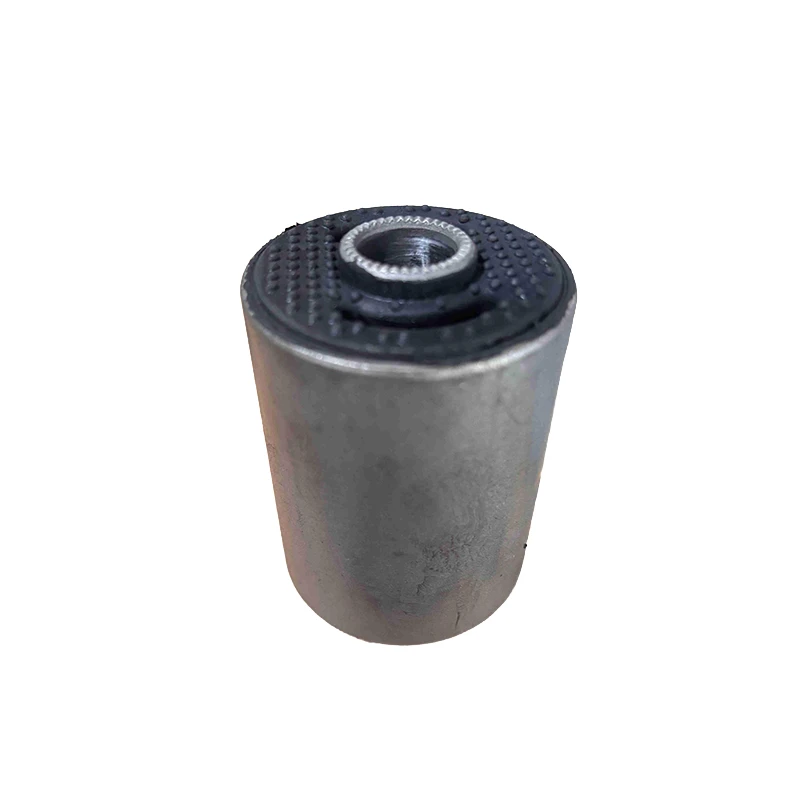

First things first, let's quickly understand what an Encased Rubber Bushing is. These bushings are essentially rubber components encased in a metal sleeve. They're super versatile and are used in a whole bunch of applications, from automotive parts to industrial machinery. Their main job is to reduce vibration, absorb shock, and provide a smooth operation.
Now, getting back to the big question - the lifespan of an encased rubber bushing. Well, it's not a one - size - fits - all answer. There are a bunch of factors that can influence how long these bushings last.
1. Material Quality
The quality of the rubber and the metal used in the bushing plays a huge role. High - grade rubber compounds are more resistant to wear, tear, and environmental factors. For example, if the rubber has good heat resistance, it can withstand high - temperature environments without degrading quickly. Similarly, a strong and corrosion - resistant metal casing will protect the rubber inside, extending the bushing's life. As a supplier, we always make sure to use top - notch materials in our Encased Rubber Bushings to ensure they last as long as possible.
2. Operating Conditions
This is probably the most significant factor. If the bushing is used in a harsh environment, its lifespan will be shorter. For instance, in automotive applications, bushings in a vehicle that's driven on rough, off - road terrains will experience more stress compared to those in a car that's mainly used for city driving. High levels of vibration, extreme temperatures, and exposure to chemicals or moisture can all take a toll on the rubber. In industrial settings, if the machinery generates a lot of heat or is constantly in contact with abrasive substances, the bushing's lifespan will be affected.
3. Load and Stress
The amount of load and stress the bushing has to handle also matters. If it's constantly under heavy loads or subjected to high - frequency vibrations, it will wear out faster. Think about a heavy - duty truck. The bushings in its suspension system have to support a much larger weight compared to those in a small passenger car. So, they're more likely to wear out sooner.
4. Installation
Proper installation is key. If the bushing isn't installed correctly, it can cause uneven stress distribution, leading to premature wear. For example, if it's not aligned properly, it can rub against other components, causing damage to the rubber. As a supplier, we always provide detailed installation instructions to our customers to ensure the best performance and lifespan of our Encased Rubber Bushings.
On average, in normal operating conditions with proper installation and maintenance, an encased rubber bushing can last anywhere from 5 to 10 years. However, in more demanding environments, it could be as short as 1 to 3 years.
Let's take a closer look at some different types of rubber bushings related to our encased ones and how their lifespans might vary.
Rubber Bushing with Steel Insert
These bushings have a steel insert inside the rubber, which provides additional strength. In applications where there's a need for more rigidity and load - bearing capacity, these are a great choice. The steel insert can help protect the rubber from excessive deformation, potentially extending the bushing's lifespan. In normal industrial applications, they might last around 7 to 12 years, depending on the factors we discussed earlier.
Vibration Bushings
As the name suggests, these are designed mainly to dampen vibrations. They're commonly used in machinery and equipment where vibration reduction is crucial. Since they're constantly working to absorb vibrations, their lifespan can be a bit shorter. In high - vibration environments, they might need to be replaced every 3 to 5 years. But if the vibration levels are relatively low, they can last up to 8 years.
Steel Lined Rubber Bushes
The steel lining in these bushes offers protection to the rubber from abrasion and external damage. This can significantly increase their lifespan. In applications where there's a risk of abrasion, like in mining equipment, they can last 6 to 10 years. In less harsh environments, they might even last longer.
Elastomeric Bushing
Elastomeric bushings are made from a type of elastomer, which is a polymer with elastic properties. They're known for their flexibility and ability to withstand large deformations. Their lifespan depends on the specific elastomer used and the application. In automotive suspension systems, they can last 5 to 8 years, while in some industrial applications with lower stress, they might last 8 to 12 years.
So, how can you make your encased rubber bushings last longer? Here are some tips:
- Regular Inspections: Check the bushings periodically for signs of wear, such as cracks, tears, or deformation. If you catch any issues early on, you can replace the bushing before it fails completely.
- Proper Maintenance: Keep the area around the bushing clean. Remove any dirt, debris, or chemicals that could damage the rubber. If the bushing is in a high - moisture environment, consider using a protective coating.
- Follow Manufacturer's Guidelines: Make sure you follow the installation and maintenance instructions provided by the supplier. This includes using the right tools for installation and the recommended lubricants, if applicable.
If you're in the market for high - quality encased rubber bushings or any of the related products we mentioned, don't hesitate to reach out. We're here to help you find the right solution for your specific needs. Whether you're an automotive manufacturer looking for reliable suspension bushings or an industrial company in need of vibration - dampening components, we've got you covered. Contact us today to start a conversation about your requirements and let's work together to get the best - fitting products for your applications.
References
- Automotive Engineering Handbook: Covers various aspects of automotive components, including rubber bushings.
- Industrial Machinery Maintenance Manuals: Provide insights into the use and lifespan of rubber bushings in industrial settings.
- Rubber Technology Journals: Offer in - depth information about rubber materials and their performance characteristics.