

Rubber end cushions are widely used in various industries and applications, from furniture protection to machinery vibration dampening. One common concern among users is whether these rubber end cushions leave marks on surfaces. As a leading supplier of Rubber End Cushion, we are well - versed in the properties of these products and are here to explore this topic in detail.
Understanding Rubber End Cushions
Rubber end cushions are made from different types of rubber compounds, such as natural rubber, neoprene, silicone, and EPDM (Ethylene Propylene Diene Monomer). Each type has its own unique set of properties, including hardness, elasticity, chemical resistance, and adhesion characteristics.
Natural rubber is known for its high elasticity and excellent shock - absorbing capabilities. It is often used in applications where a soft touch and good flexibility are required. Neoprene, on the other hand, offers better resistance to oil, chemicals, and weathering. Silicone rubber is heat - resistant, electrically insulating, and has good anti - sticking properties. EPDM is popular for its outstanding weather and ozone resistance, making it suitable for outdoor applications.
Factors That Contribute to Surface Marking
The potential for rubber end cushions to leave marks on surfaces depends on several factors:
1. Rubber Composition
Some rubber compounds may contain plasticizers, antioxidants, or other additives. Plasticizers are used to increase the flexibility of the rubber, but in some cases, they can migrate to the surface over time. This migration may cause discoloration or staining on the surfaces they come in contact with. For example, natural rubber may gradually release some substances that can react with certain materials, leaving marks.
2. Surface Texture and Porosity
The nature of the surface plays a significant role. Porous surfaces, such as unsealed wood or some natural stones, are more likely to absorb substances from the rubber. Smooth and non - porous surfaces like glass or polished metal are generally less prone to marking. However, even on non - porous surfaces, certain chemical reactions between the rubber and the surface coating can lead to visible changes.
3. Pressure and Contact Time
The amount of pressure applied to the rubber end cushion and the duration of contact also affect marking. Higher pressure can force more substances from the rubber onto the surface. Prolonged contact, especially in a static position, increases the likelihood of migration and marking. For instance, if a heavy piece of furniture with rubber end cushions is left in one place for a long time, the cushions may leave marks on the floor.
4. Environmental Conditions
Temperature and humidity can have an impact. High temperatures can accelerate the migration of additives in the rubber. Humid conditions may also promote chemical reactions between the rubber and the surface. For example, in a hot and humid environment, the rubber may become more likely to transfer substances to the surface.
Testing the Marking Potential
As a supplier, we conduct rigorous testing to evaluate the marking potential of our Rubber End Cushion products. We use standard test methods that simulate real - world conditions, including different surfaces, pressures, and environmental conditions.
In our tests, we place the rubber end cushions on a variety of surfaces, such as wood, plastic, glass, and metal. We apply a defined pressure and leave them in contact for a set period. After the test period, we visually inspect the surfaces for any signs of marking, including discoloration, stains, or scratches.
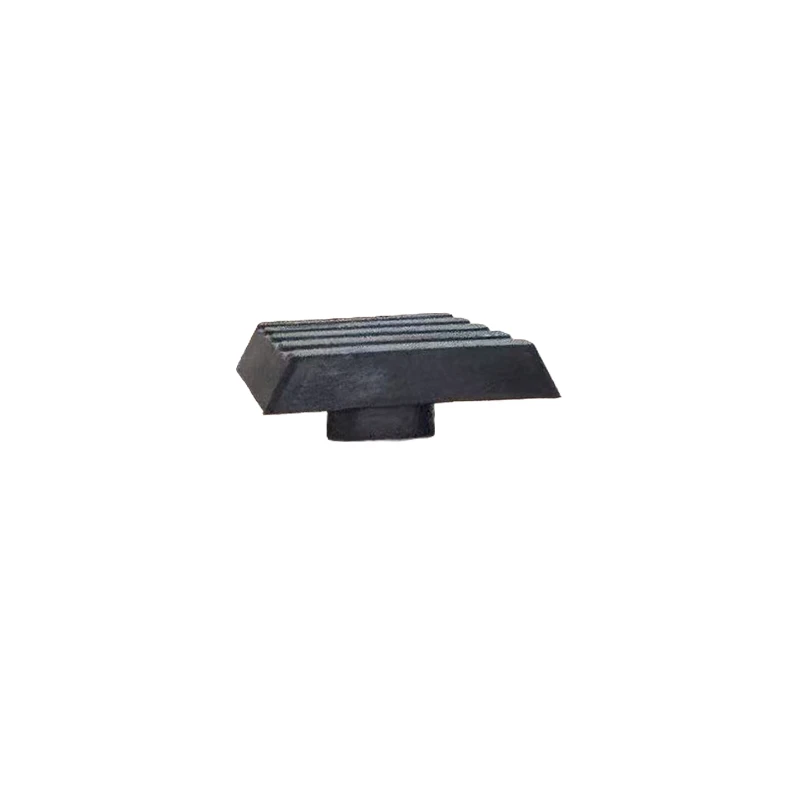
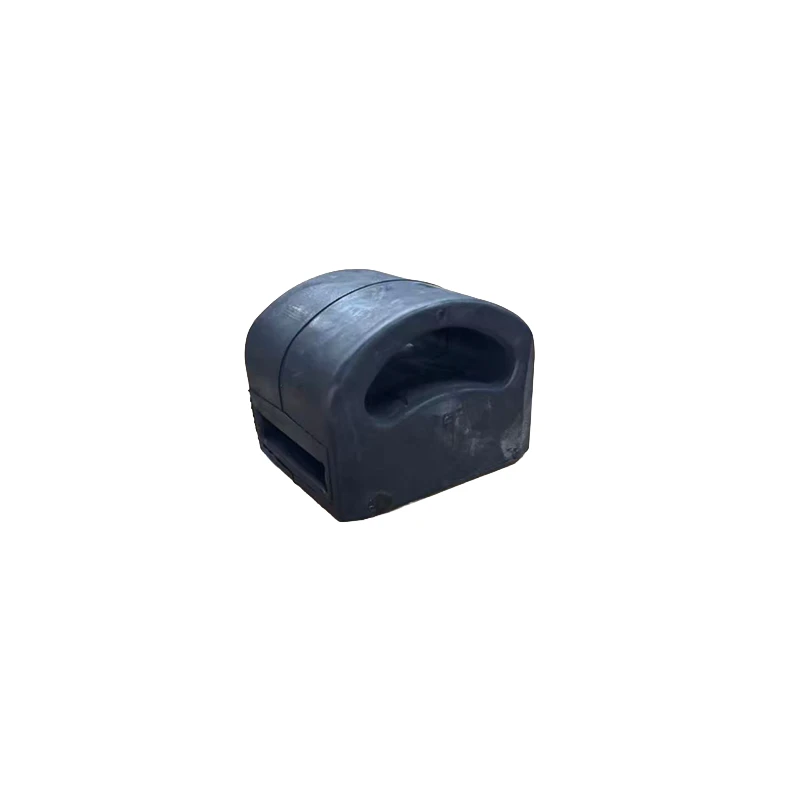
Based on our testing, we have found that high - quality rubber end cushions made from properly formulated compounds are less likely to leave marks. For example, our silicone - based rubber end cushions have excellent anti - sticking properties and rarely leave visible marks on most surfaces. Our EPDM rubber end cushions, with their stable chemical composition, also perform well in terms of preventing surface marking.
Preventing Surface Marking
If you are concerned about rubber end cushions leaving marks on surfaces, here are some preventive measures:
1. Choose the Right Rubber Type
Select a rubber end cushion that is suitable for the surface material and application. For example, if you are using it on a delicate surface, a silicone or EPDM rubber cushion may be a better choice due to their low marking potential.
2. Periodic Inspection and Maintenance
Regularly check the rubber end cushions and the surfaces they are in contact with. If you notice any signs of marking, clean the surface immediately. You can use mild cleaning agents recommended for the specific surface material.
3. Alternate Contact Positions
If possible, change the position of the rubber end cushions periodically to avoid prolonged contact in one spot. This reduces the concentration of substances that may transfer from the rubber to the surface.
Our Product Range
In addition to Rubber End Cushion, we also offer a wide range of related rubber products, including Rubber Damper Pad, Rubber Isolation Pad, Rubber Limit Pad, and Rubber Buffer Block. These products are designed to meet different application requirements, from vibration isolation in machinery to impact absorption in automotive parts.
All our products are manufactured using high - quality rubber materials and advanced production processes. We ensure strict quality control to minimize the risk of surface marking and ensure the long - term performance of our products.
Contact Us for Procurement
If you are interested in our rubber products, including our Rubber End Cushion, we invite you to contact us for procurement. Our team of experts is ready to assist you in selecting the right products for your specific needs. We can provide detailed product information, samples, and competitive pricing. Whether you are a small - scale business or a large - scale industrial manufacturer, we have the capacity and expertise to meet your requirements.
References
- "Handbook of Rubber Technology", Edited by Maurice Morton.
- ASTM International standards related to rubber product testing.
- Technical literature from rubber material suppliers.