

As a reputable supplier of Encased Rubber Bushings, I often encounter questions from customers about the chemical resistance of these essential components. In this blog, I will delve into the topic of whether encased rubber bushings are resistant to chemicals, exploring the factors that influence their chemical resistance, the types of chemicals they can withstand, and their applications in various industries.
Understanding Encased Rubber Bushings
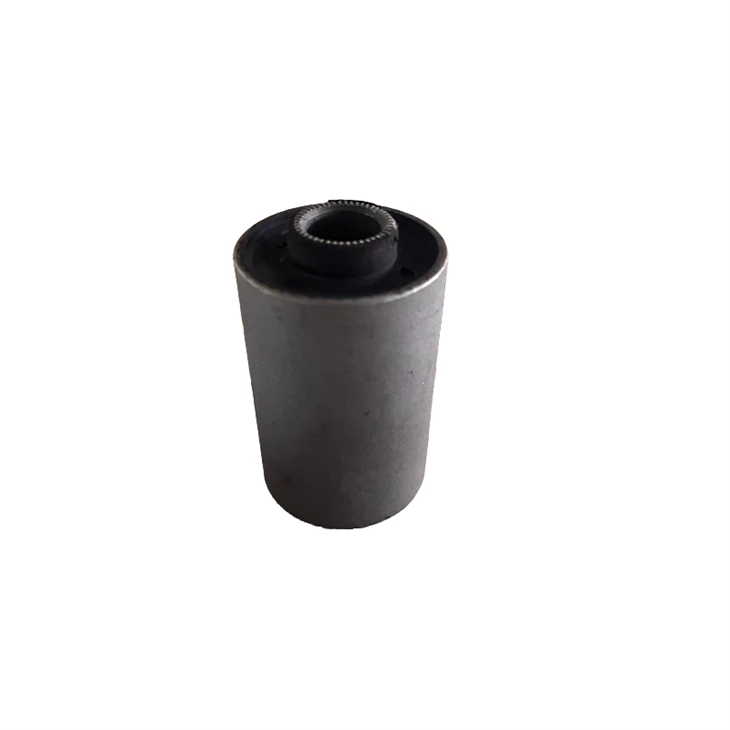
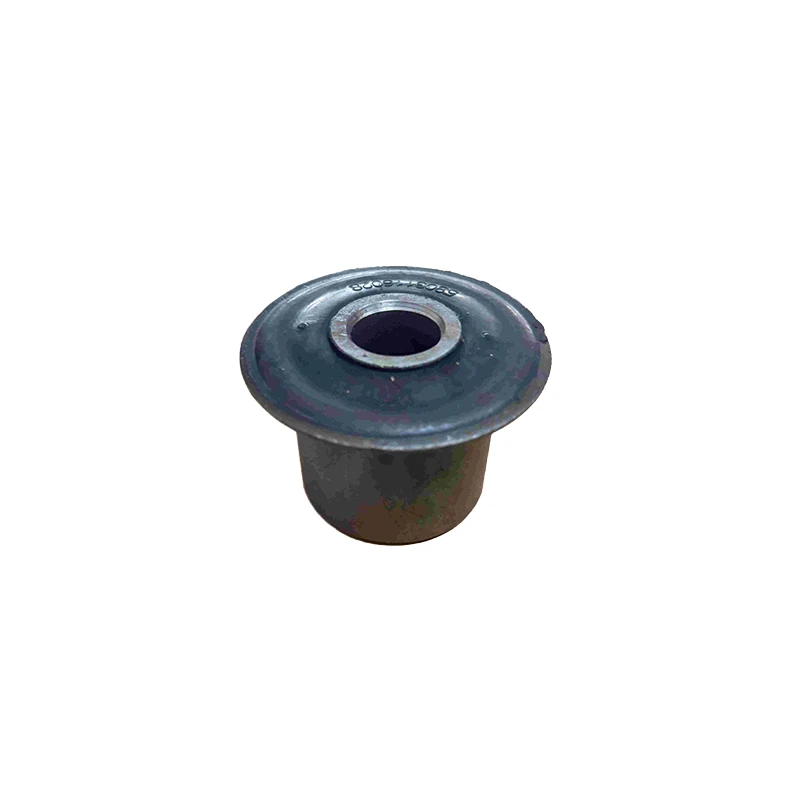
Encased rubber bushings are composite components that consist of a rubber element encased within a metal shell. This design provides several benefits, including improved durability, enhanced load-bearing capacity, and better resistance to environmental factors. The rubber component typically serves as a shock absorber, providing vibration isolation and reducing noise, while the metal casing adds strength and rigidity.
Encased Rubber Bushing are used in a wide range of applications, including automotive, aerospace, industrial machinery, and construction. They are commonly found in suspension systems, steering linkages, engine mounts, and other critical components where vibration damping and stability are essential.
Factors Affecting Chemical Resistance
The chemical resistance of encased rubber bushings depends on several factors, including the type of rubber used, the chemical environment, temperature, and exposure time. Let's take a closer look at each of these factors:
Type of Rubber
Different types of rubber have varying degrees of chemical resistance. Some of the most common types of rubber used in encased rubber bushings include natural rubber (NR), styrene-butadiene rubber (SBR), nitrile rubber (NBR), ethylene propylene diene monomer (EPDM), and fluoroelastomers (FKM).
- Natural Rubber (NR): NR has good resilience and low cost but has limited chemical resistance. It is susceptible to attack by ozone, oxygen, and some chemicals, such as oils and solvents.
- Styrene-Butadiene Rubber (SBR): SBR is a synthetic rubber that is widely used due to its good abrasion resistance and low cost. However, its chemical resistance is similar to that of natural rubber, making it unsuitable for applications involving harsh chemicals.
- Nitrile Rubber (NBR): NBR is known for its excellent resistance to oils, fuels, and solvents. It is commonly used in automotive and industrial applications where exposure to these chemicals is likely.
- Ethylene Propylene Diene Monomer (EPDM): EPDM has excellent resistance to weathering, ozone, and a wide range of chemicals, including acids, alkalis, and polar solvents. It is often used in outdoor and chemical processing applications.
- Fluoroelastomers (FKM): FKM is a high-performance rubber that offers exceptional resistance to a wide range of chemicals, including fuels, solvents, acids, and bases. It is commonly used in aerospace, chemical processing, and automotive applications where extreme chemical resistance is required.
Chemical Environment
The type and concentration of chemicals present in the environment can significantly affect the chemical resistance of encased rubber bushings. Some chemicals, such as acids, alkalis, and solvents, can cause swelling, degradation, or embrittlement of the rubber, leading to reduced performance and premature failure.
Temperature
Temperature also plays a crucial role in the chemical resistance of encased rubber bushings. High temperatures can accelerate the chemical reaction between the rubber and the chemicals, increasing the rate of degradation. Conversely, low temperatures can make the rubber more brittle, reducing its resistance to mechanical stress.
Exposure Time
The longer the encased rubber bushing is exposed to chemicals, the greater the likelihood of degradation. Therefore, it is essential to consider the expected exposure time when selecting a rubber material for a specific application.
Chemicals Encased Rubber Bushings Can Withstand
The ability of encased rubber bushings to withstand chemicals depends on the type of rubber used and the specific chemical environment. Here are some of the most common chemicals and the types of rubber that are generally resistant to them:
Oils and Fuels
Nitrile rubber (NBR) is the most commonly used rubber for applications involving exposure to oils and fuels. It has excellent resistance to a wide range of petroleum-based oils, such as engine oil, transmission fluid, and hydraulic oil, as well as gasoline, diesel, and jet fuel.
Acids and Alkalis
Ethylene propylene diene monomer (EPDM) is highly resistant to acids and alkalis, making it suitable for applications where exposure to these chemicals is likely. It can withstand a wide range of pH values, from acidic to alkaline, without significant degradation.
Solvents
Fluoroelastomers (FKM) offer the best resistance to solvents, including chlorinated solvents, aromatic solvents, and ketones. They are commonly used in applications where exposure to these chemicals is expected, such as chemical processing and aerospace.
Applications in Various Industries
Encased rubber bushings with good chemical resistance are widely used in various industries where exposure to chemicals is a concern. Here are some examples:
Automotive Industry
In the automotive industry, encased rubber bushings are used in a variety of applications, including engine mounts, suspension systems, and steering linkages. These bushings need to be resistant to oils, fuels, and other chemicals commonly found in vehicles. Nitrile rubber (NBR) is often used in these applications due to its excellent resistance to these chemicals.
Aerospace Industry
The aerospace industry requires high-performance components that can withstand extreme conditions, including exposure to harsh chemicals. Encased rubber bushings made from fluoroelastomers (FKM) are commonly used in aircraft engines, landing gear, and hydraulic systems due to their exceptional chemical resistance and high-temperature performance.
Chemical Processing Industry
In the chemical processing industry, encased rubber bushings are used in pumps, valves, and other equipment that comes into contact with a wide range of chemicals. Ethylene propylene diene monomer (EPDM) and fluoroelastomers (FKM) are often used in these applications due to their excellent chemical resistance.
Construction Industry
In the construction industry, encased rubber bushings are used in bridges, buildings, and other structures to provide vibration isolation and reduce noise. These bushings need to be resistant to environmental factors, such as moisture, ozone, and UV radiation, as well as chemicals commonly found in construction sites. EPDM is a popular choice for these applications due to its excellent weathering and chemical resistance.
Conclusion
In conclusion, the chemical resistance of encased rubber bushings depends on several factors, including the type of rubber used, the chemical environment, temperature, and exposure time. By selecting the appropriate rubber material for a specific application, it is possible to ensure that the encased rubber bushings can withstand the chemicals they are exposed to, providing long-lasting performance and reliability.
As a supplier of Encased Rubber Bushing, we offer a wide range of products made from different types of rubber to meet the diverse needs of our customers. Our products are designed to provide excellent chemical resistance, vibration isolation, and durability, making them suitable for a variety of applications in different industries.
If you are looking for high-quality encased rubber bushings with excellent chemical resistance, please feel free to contact us to discuss your specific requirements. We will be happy to provide you with more information and help you select the right product for your application.
References
- "Rubber Technology Handbook" by Werner Hofmann
- "Elastomers and Rubber Compounding Materials" by Maurice Morton
- "Handbook of Rubber Technology" edited by James K. N. Lin