

Can rubber shock blocks be used in power generation equipment? This question is not only a technical inquiry but also holds significant practical implications for the efficiency and longevity of power generation facilities. As a leading supplier of rubber shock blocks, I am well - versed in the unique properties of these products and their potential applications in the power generation industry.
Understanding Rubber Shock Blocks
Rubber shock blocks are engineered components designed to absorb and dampen vibrations. They are made from various rubber compounds, each with distinct physical and chemical properties, making them suitable for different environments and applications. The elasticity of rubber allows these blocks to deform under stress and then return to their original shape, effectively dissipating energy in the process.
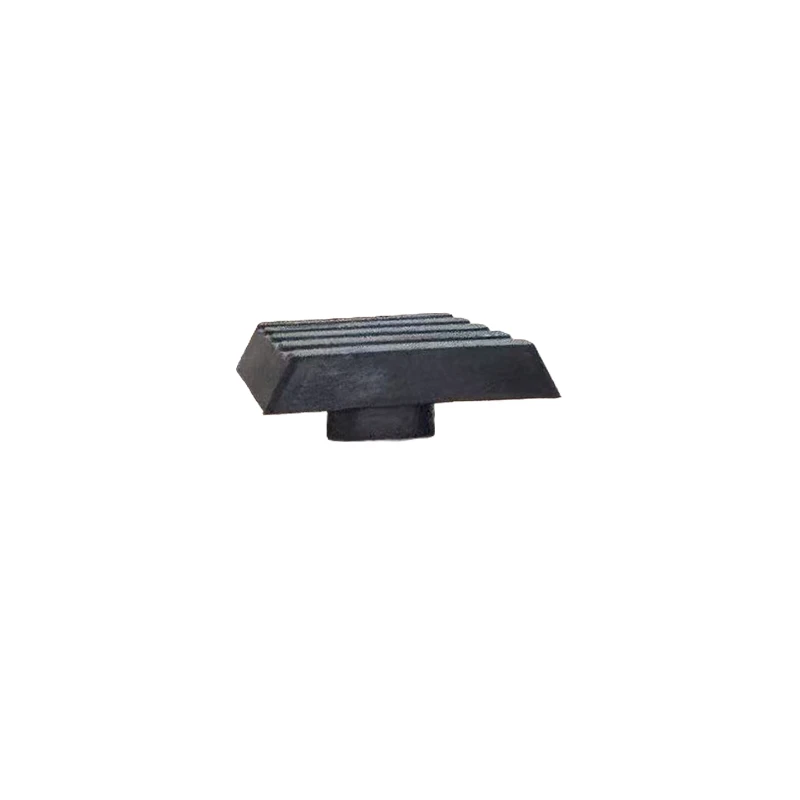
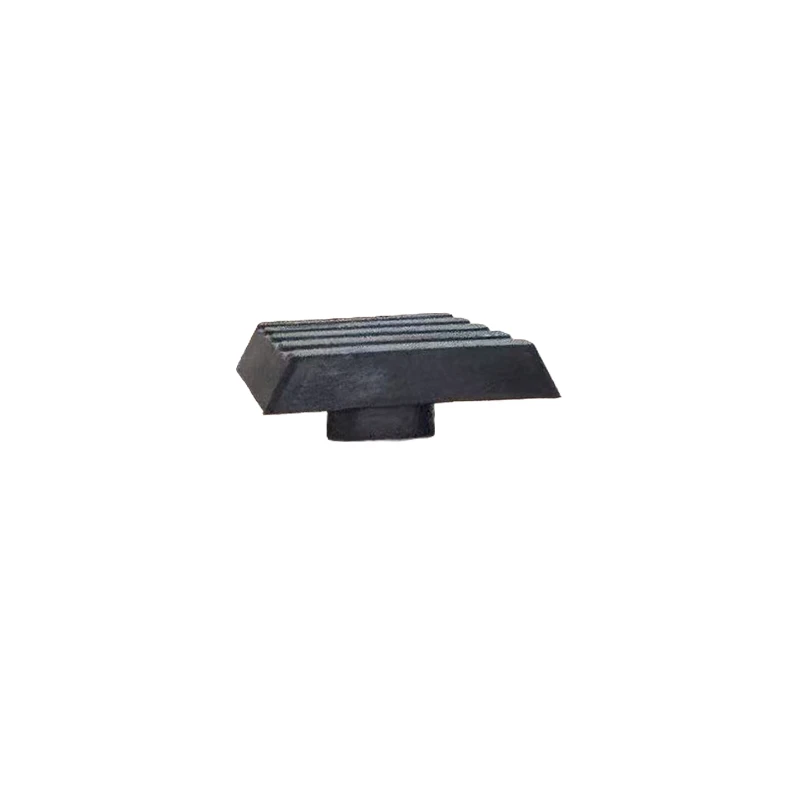
There are diverse types of rubber - based components in our product range, including Rubber Isolation Pad, Rubber Limit Pad, Rubber Mounting Pad, Rubber Buffer Pad, and Rubber Mount for Auto Chassis. While the last one is primarily designed for automotive applications, the others have broader potential uses, including in power generation equipment.
Application of Rubber Shock Blocks in Power Generation
In Gas and Steam Turbines
Gas and steam turbines are the workhorses of many power plants. These machines operate at high speeds and generate substantial vibrations. Excessive vibrations can lead to premature wear and tear of turbine components, misalignment, and even catastrophic failures. Rubber shock blocks can be installed at the base of the turbines or between different components to isolate the vibrations. By absorbing and dissipating the energy, they reduce the transfer of vibrations to the surrounding structures, thereby protecting the turbine and its support systems.
In Diesel and Gas Engines
Diesel and gas engines are also commonly used in power generation, especially in small - scale and emergency power systems. These engines produce significant vibrations during the combustion process. The use of rubber shock blocks helps to isolate the engine from the generator set and the building structure. This not only reduces noise and vibration levels but also prevents damage to the engine mounts and other connected components. The damping properties of the rubber ensure that the engine operates smoothly, improving its overall performance and reliability.
In Generator Sets
Generator sets convert mechanical energy into electrical energy. The rotation of the generator's rotor and the interaction between the magnetic fields can cause vibrations. Rubber shock blocks can be incorporated into the mounting system of the generator set. They provide a flexible connection between the generator and the foundation, which reduces the transmission of vibrations to the building and other equipment nearby. This is crucial for maintaining a stable and efficient power - generation process.
Advantages of Using Rubber Shock Blocks in Power Generation Equipment
Vibration Reduction
The primary advantage of rubber shock blocks is their ability to reduce vibrations. In power generation equipment, lower vibration levels mean less mechanical stress on components, which translates into fewer maintenance requirements and longer service life. For example, in a large - scale power plant, using rubber shock blocks can extend the lifespan of turbine bearings, which are expensive and time - consuming to replace.
Noise Minimization
Vibrations often generate noise. By damping the vibrations, rubber shock blocks also effectively reduce the noise levels produced by power generation equipment. This is especially important in power plants located near residential areas or where noise pollution is a concern. Quieter operation not only improves the working environment for plant operators but also helps the power plant comply with local noise regulations.
Protection of Equipment and Structures
Power generation equipment is often mounted on building structures. Excessive vibrations can cause damage to both the equipment and the building over time. Rubber shock blocks act as a buffer between the equipment and the structure, protecting the integrity of both. They can prevent cracks in the building foundation and reduce the risk of component failures due to vibration - induced fatigue.
Adaptability to Different Conditions
Rubber shock blocks can be customized to meet the specific requirements of different power generation equipment. They can be designed to withstand high temperatures, corrosive environments, and high - pressure conditions. For example, in a power plant located near a coastal area, the rubber shock blocks can be made from a special rubber compound with excellent resistance to saltwater corrosion.
Challenges and Considerations
Material Selection
Choosing the right rubber compound is crucial for the effective performance of rubber shock blocks in power generation equipment. Factors such as temperature, humidity, chemical exposure, and the amplitude and frequency of vibrations need to be considered. For instance, in high - temperature environments, a heat - resistant rubber compound should be selected to prevent the rubber from degrading and losing its damping properties.
Long - Term Durability
Power generation equipment often operates continuously for long periods. Therefore, the rubber shock blocks need to have long - term durability. Factors like aging, ozone exposure, and mechanical fatigue can affect the performance of the rubber over time. Regular inspection and replacement of the shock blocks may be required to ensure optimal performance.
Load - Bearing Capacity
The rubber shock blocks must be able to support the weight of the power generation equipment and withstand the dynamic loads generated during operation. Improper sizing or selection of shock blocks with insufficient load - bearing capacity can lead to premature failure and potential safety hazards.
Potential for Innovation
The field of rubber shock - block technology is constantly evolving. New rubber compounds are being developed with enhanced properties such as greater heat resistance, higher damping coefficients, and improved chemical stability. Additionally, advanced manufacturing techniques can create shock blocks with more precise designs and better performance characteristics. These innovations open up new possibilities for the application of rubber shock blocks in power generation equipment, further improving efficiency and reliability.
Conclusion
In conclusion, rubber shock blocks can indeed be used in power generation equipment, and they offer numerous benefits in terms of vibration reduction, noise minimization, equipment protection, and adaptability. However, careful consideration must be given to material selection, long - term durability, and load - bearing capacity. As a trusted supplier of rubber shock blocks, we are committed to providing high - quality products that meet the stringent requirements of the power generation industry. If you are looking for reliable rubber shock - block solutions for your power generation equipment, I encourage you to reach out for a discussion on how our products can be tailored to your needs.
References
- "Vibration Isolation Handbook" by Harry E. Merritt
- "Rubber Technology: Compounding and Testing for Performance" by Bryan J. Stephens
- Technical reports from leading power generation equipment manufacturers on vibration control and isolation.