

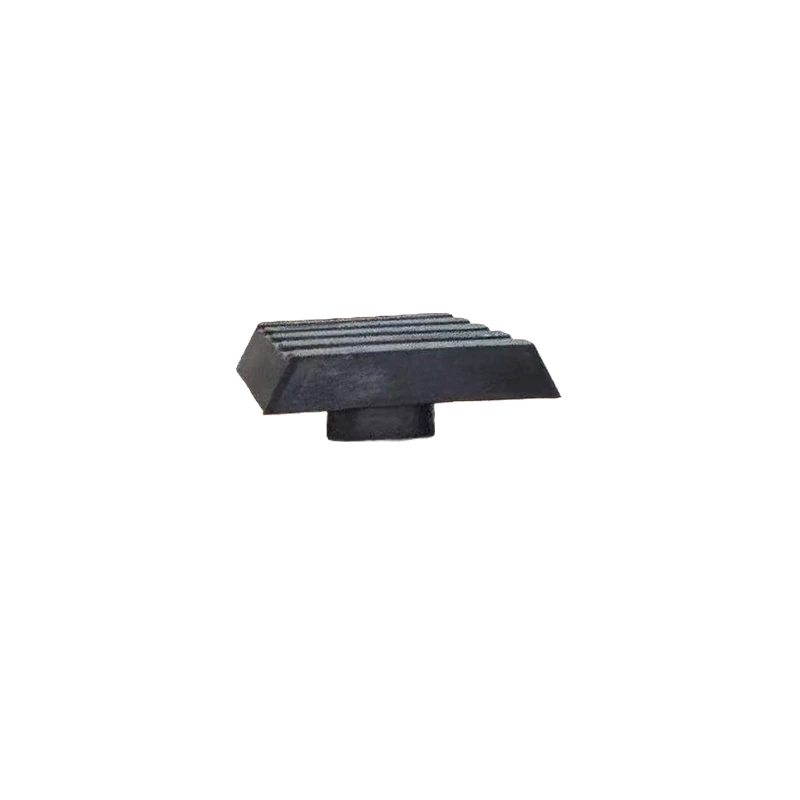
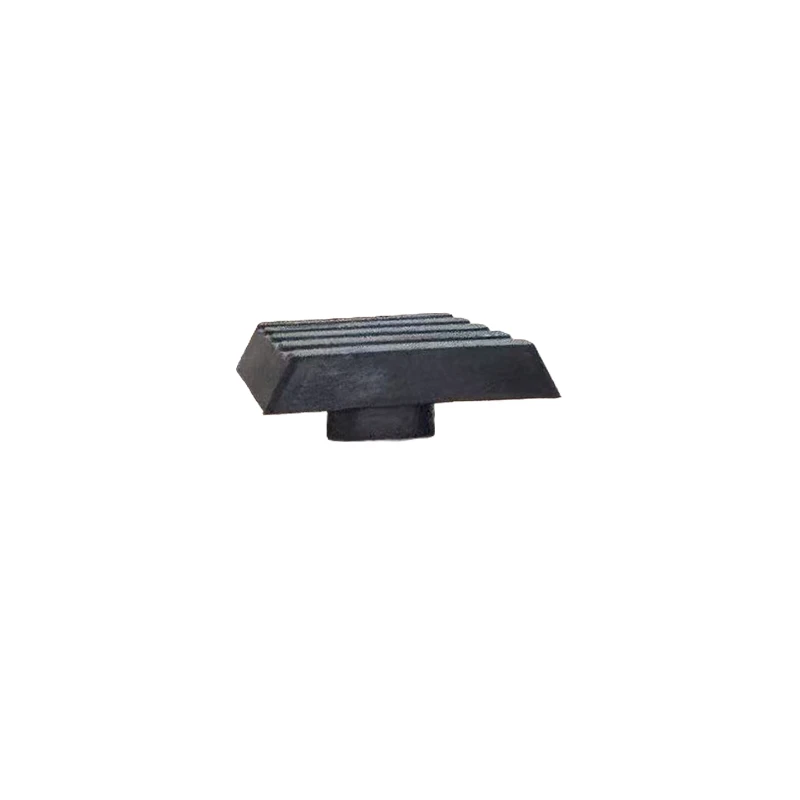
When it comes to the infrastructure of natural gas pipelines, the selection of appropriate components is of utmost importance. One such component that often sparks debate is the use of rubber end gaskets. As a supplier of rubber end gaskets, I am frequently asked whether these gaskets can be used in natural gas pipelines. In this blog post, I will delve into the technical aspects, advantages, and potential challenges associated with using rubber end gaskets in natural gas pipelines.
Technical Considerations
Natural gas pipelines operate under specific conditions that require materials to meet certain standards. The primary function of a gasket in a pipeline is to create a seal between two pipe sections, preventing the leakage of natural gas. Rubber end gaskets are made from various types of rubber compounds, each with its own set of properties.
One of the key factors to consider is the compatibility of the rubber material with natural gas. Natural gas is a mixture of hydrocarbons, primarily methane, and it can have a swelling or degrading effect on certain rubber materials. Therefore, it is crucial to select a rubber compound that is resistant to the chemical properties of natural gas. For example, nitrile rubber (NBR) is known for its excellent resistance to oils and fuels, making it a potential candidate for use in natural gas pipelines. However, it is important to note that the specific formulation of the rubber compound can significantly affect its performance.
Another important consideration is the temperature and pressure conditions within the pipeline. Natural gas pipelines can operate at a wide range of temperatures and pressures, depending on the location and the specific application. Rubber end gaskets need to be able to withstand these conditions without losing their sealing properties. For instance, ethylene propylene diene monomer (EPDM) rubber has good resistance to high temperatures and weathering, making it suitable for use in pipelines that operate in extreme environments.
Advantages of Using Rubber End Gaskets
There are several advantages to using rubber end gaskets in natural gas pipelines. Firstly, rubber is a flexible material that can conform to irregular surfaces, ensuring a tight seal. This flexibility allows for easy installation and can compensate for minor misalignments between pipe sections. Additionally, rubber gaskets can absorb vibrations and shocks, reducing the stress on the pipeline and preventing damage.
Rubber end gaskets are also relatively inexpensive compared to other types of gaskets, such as metal or composite gaskets. This cost-effectiveness makes them an attractive option for pipeline operators, especially for large-scale projects. Moreover, rubber gaskets are lightweight, which can simplify the transportation and installation process.
Potential Challenges
Despite the advantages, there are also some potential challenges associated with using rubber end gaskets in natural gas pipelines. One of the main concerns is the long-term durability of the rubber material. Over time, exposure to natural gas, temperature variations, and other environmental factors can cause the rubber to degrade, leading to a loss of sealing performance. This degradation can result in gas leakage, which is not only a safety hazard but also a waste of resources.
Another challenge is the potential for the rubber to become brittle or harden over time. This can occur due to factors such as oxidation, UV exposure, or chemical reactions with the natural gas. When the rubber becomes brittle, it is more likely to crack or break, compromising the integrity of the seal. To mitigate these issues, it is important to choose a high-quality rubber compound and to implement proper maintenance and inspection procedures.
Quality Assurance and Testing
To ensure the reliability and safety of rubber end gaskets in natural gas pipelines, it is essential to implement a comprehensive quality assurance program. This program should include rigorous testing of the rubber material to ensure its compatibility with natural gas and its ability to withstand the operating conditions of the pipeline.
Some of the common tests performed on rubber end gaskets include chemical resistance testing, temperature and pressure testing, and aging testing. Chemical resistance testing involves exposing the rubber to natural gas or other relevant chemicals to evaluate its resistance to swelling, degradation, or other chemical reactions. Temperature and pressure testing assesses the gasket's performance under different temperature and pressure conditions, simulating the actual operating environment of the pipeline. Aging testing involves subjecting the rubber to accelerated aging conditions to predict its long-term performance.
In addition to testing, it is also important to have a quality control system in place to ensure that the gaskets are manufactured to the required specifications. This includes monitoring the production process, inspecting the finished products, and maintaining detailed records of the manufacturing and testing procedures.
Applications and Case Studies
Rubber end gaskets have been successfully used in a variety of natural gas pipeline applications. For example, in distribution pipelines, where the pressure is relatively low, rubber gaskets can provide an effective seal at a lower cost compared to other types of gaskets. In some cases, rubber gaskets have also been used in transmission pipelines, especially in areas where the operating conditions are less severe.
One case study involves a natural gas distribution network in a rural area. The pipeline operator decided to use rubber end gaskets for the installation of new pipeline sections. The gaskets were made from a high-quality nitrile rubber compound that had been tested for compatibility with natural gas. After several years of operation, the gaskets were inspected, and it was found that they had maintained their sealing performance, with no signs of leakage or degradation.
Related Products
In addition to rubber end gaskets, we also offer a range of related products that can be used in natural gas pipelines and other applications. These products include Rubber Buffer Pad, Rubber Limit Pad, Rubber Mount for Auto Chassis, Rubber Buffer Block, and Rubber Shock Pad. These products are designed to provide additional protection and support for pipelines and other equipment.
Conclusion
In conclusion, rubber end gaskets can be used in natural gas pipelines, provided that the appropriate rubber compound is selected and the gaskets are properly designed, manufactured, and installed. While there are some potential challenges associated with their use, these can be mitigated through careful consideration of the technical requirements, quality assurance, and maintenance.
As a supplier of rubber end gaskets, we are committed to providing high-quality products that meet the needs of our customers in the natural gas industry. If you are interested in learning more about our rubber end gaskets or our other related products, please feel free to contact us for a detailed discussion about your specific requirements and to explore potential procurement opportunities.
References
- ASTM International. (2023). ASTM standards for rubber gaskets.
- Pipeline Research Council International. (2022). Guidelines for the use of gaskets in natural gas pipelines.
- Rubber Manufacturers Association. (2021). Technical information on rubber materials for pipeline applications.