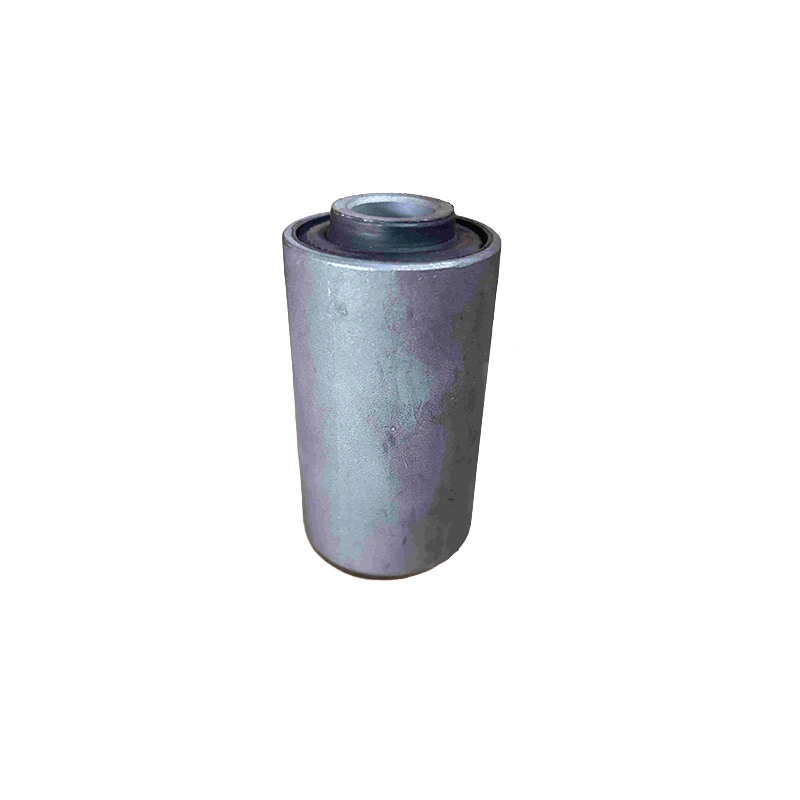
The lifespan of rubber seals is generally 3 to 5 years, but the exact duration is affected by multiple factors such as material, usage environment, and maintenance. High-quality materials can last for more than 10 years under suitable conditions.
1. Lifespan Classified by Material
- Ethylene Propylene Diene Monomer (EPDM): Excellent weather resistance; can last 10-20 years in building doors and windows, maintaining elasticity even under outdoor exposure.
- Fluororubber (FKM): Resistant to high temperatures and chemical corrosion; suitable for harsh working conditions; lifespan can reach 15 years or more.
- Nitrile Butadiene Rubber (NBR): Commonly used for oil seals; generally lasts 3-5 years; prone to aging in high-temperature or ozone environments.
- Polyurethane Rubber (PU): High abrasion resistance, but prone to hydrolysis; lifespan is typically 1-3 years.
- Silicone rubber (VMQ): Wide temperature range, stable in environments from -55℃ to 250℃, with a lifespan of approximately 5-8 years.
2. Key Influencing Factors
- Temperature: Prolonged exposure to temperatures above 80℃ accelerates aging, halving the lifespan; low temperatures cause brittleness and failure.
- UV radiation and ozone: One year of outdoor exposure is equivalent to three years of indoor aging damage.
- Chemical media: Contact with oils, acids, and alkalis can cause swelling or corrosion, shortening the lifespan.
- Mechanical wear: Frequent friction or high-pressure reciprocating motion accelerates wear on seals, reducing lifespan by more than 30%.
- Maintenance: Regular cleaning and application of a special lubricant can extend the lifespan by approximately 2 years.