

The lifespan of square rubber bushings is a topic of significant interest to many industries that rely on these components for various applications. As a supplier of Square Rubber Bushings, I have encountered numerous inquiries regarding the longevity of these products. In this blog post, I will delve into the factors that influence the lifespan of square rubber bushings, provide some general estimates, and offer tips on how to extend their service life.
Factors Affecting the Lifespan of Square Rubber Bushings
Material Composition
The type of rubber used in the manufacturing of the bushing is a crucial determinant of its lifespan. Different rubber compounds possess varying degrees of resistance to factors such as heat, chemicals, abrasion, and ozone. For example, natural rubber offers excellent elasticity and shock absorption but may have limited resistance to oil and high temperatures. On the other hand, synthetic rubbers like neoprene, nitrile, and EPDM are engineered to provide better resistance to specific environmental conditions. Neoprene is known for its good resistance to oil, chemicals, and weathering, making it suitable for outdoor applications. Nitrile rubber is highly resistant to oil and fuel, which makes it ideal for automotive and industrial applications where exposure to these substances is common. EPDM rubber has excellent resistance to ozone, weather, and high - temperature aging, and is often used in electrical and outdoor applications.
Operating Conditions
The environment in which the square rubber bushing operates has a profound impact on its lifespan. Temperature extremes, whether high or low, can cause the rubber to deteriorate. High temperatures can lead to rubber softening, which reduces its mechanical properties and resistance to wear. Low temperatures, on the other hand, can make the rubber brittle, increasing the risk of cracking. Exposure to chemicals, such as oils, solvents, and acids, can also damage the rubber. For instance, if a rubber bushing is used in an industrial setting where it comes into contact with harsh chemicals regularly, its lifespan will be significantly shorter compared to a bushing used in a clean, dry environment.
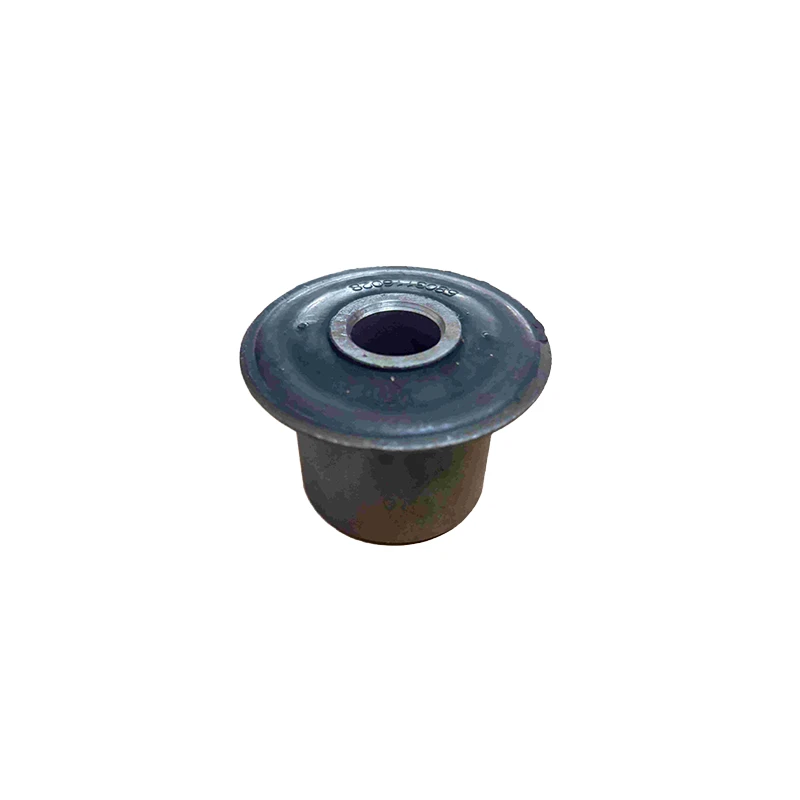
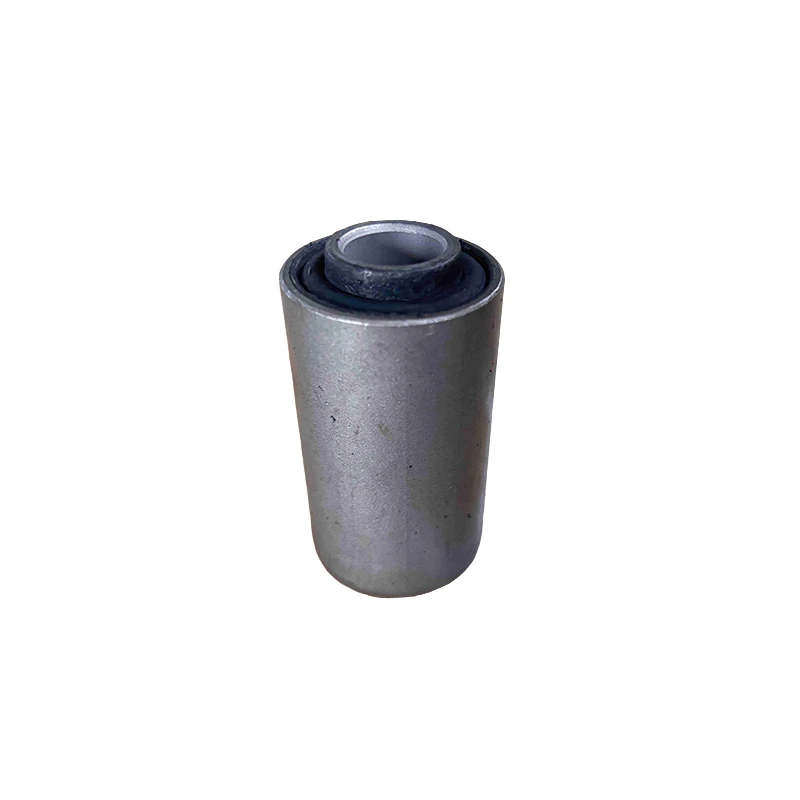
Vibration and shock are other important factors. In applications where the bushing is subjected to high - frequency vibrations or sudden shocks, the rubber can experience fatigue. Fatigue occurs when the rubber is repeatedly deformed, leading to the formation of internal cracks that can eventually cause the bushing to fail.
Installation and Maintenance
Proper installation is essential for ensuring the long - term performance of square rubber bushings. Incorrect installation, such as over - tightening or misalignment, can put excessive stress on the bushing, leading to premature failure. It is important to follow the manufacturer's installation guidelines carefully, which may include recommendations on torque settings, clearances, and alignment procedures.
Regular maintenance can also extend the lifespan of the bushing. This may involve periodic inspections to check for signs of wear, damage, or degradation. If any issues are detected early, appropriate measures can be taken, such as replacing the bushing or addressing the underlying cause of the problem.
General Lifespan Estimates
It is difficult to provide a precise lifespan estimate for square rubber bushings because of the wide range of factors involved. However, in general, under normal operating conditions, a well - made square rubber bushing can last anywhere from 5 to 10 years. In less demanding applications, such as in a low - vibration, clean environment, the lifespan could be even longer, potentially up to 15 years or more.
In more demanding applications, such as in heavy - duty machinery or automotive suspension systems, the lifespan may be shorter. For example, in a high - performance automotive suspension system where the bushings are subjected to extreme forces and vibrations, they may need to be replaced every 3 to 5 years. In industrial applications where the bushings are exposed to harsh chemicals or high temperatures, the lifespan could be as short as 1 to 3 years.
Extending the Lifespan of Square Rubber Bushings
Selecting the Right Rubber Compound
As mentioned earlier, choosing the appropriate rubber compound for the specific application is crucial. Consider the environmental conditions, such as temperature range, chemical exposure, and the level of vibration and shock, when selecting the bushing. Our company offers a wide range of square rubber bushings made from different rubber compounds, including Black Rubber Bushing, Steel Rubber Bushing, Suspension Bushing, and Steel Lined Rubber Bushes, to meet the diverse needs of our customers.
Proper Installation
Ensure that the square rubber bushings are installed correctly. Use the appropriate tools and follow the installation instructions provided. If necessary, seek the help of a professional installer to ensure that the bushings are installed in a way that minimizes stress and maximizes their lifespan.
Regular Maintenance
Implement a regular maintenance schedule for the equipment that uses square rubber bushings. This should include visual inspections of the bushings for signs of wear, cracking, or damage. Check for proper alignment and tightness of the components. If any issues are found, take immediate action to address them.
Environmental Protection
If possible, protect the square rubber bushings from harsh environmental conditions. This could involve using protective covers or enclosures to shield the bushings from chemicals, moisture, and extreme temperatures. In some cases, applying a protective coating to the rubber can also help to extend its lifespan.
Conclusion
The lifespan of square rubber bushings is influenced by a variety of factors, including material composition, operating conditions, installation, and maintenance. By understanding these factors and taking appropriate measures, it is possible to extend the service life of these components and ensure the reliable operation of the equipment they are used in.
If you are in the market for high - quality square rubber bushings or need further information on their lifespan and performance, we invite you to contact us. We have a team of experts who can assist you in selecting the right product for your specific application and provide you with valuable advice on installation and maintenance. Let's start a conversation about your requirements and find the best solutions together.
References
- "Rubber Technology Handbook" by Werner Hofmann
- "Engineering with Rubber: How to Design Rubber Components" by Norman G. Landel and Robert F. Fedors
- Industry reports on rubber bushing performance and durability