

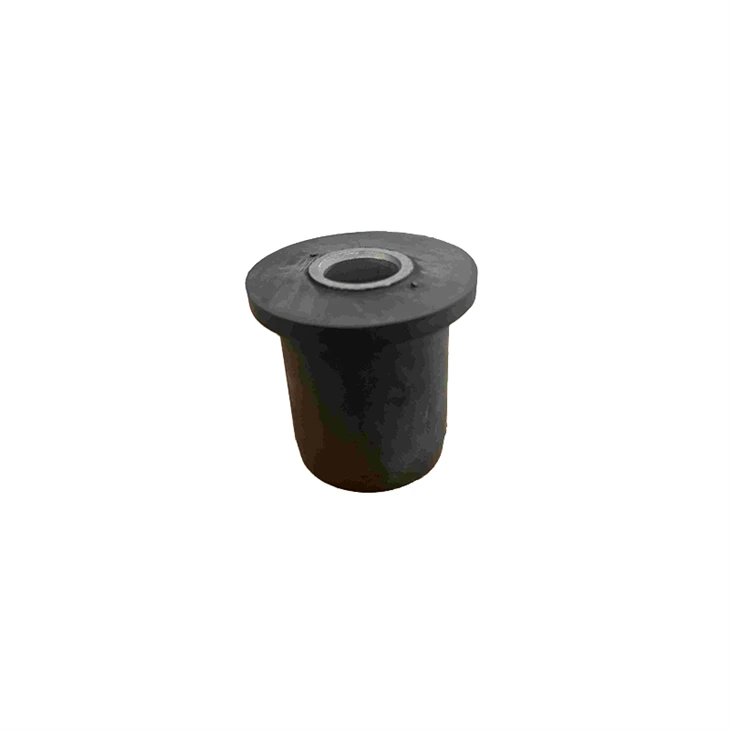
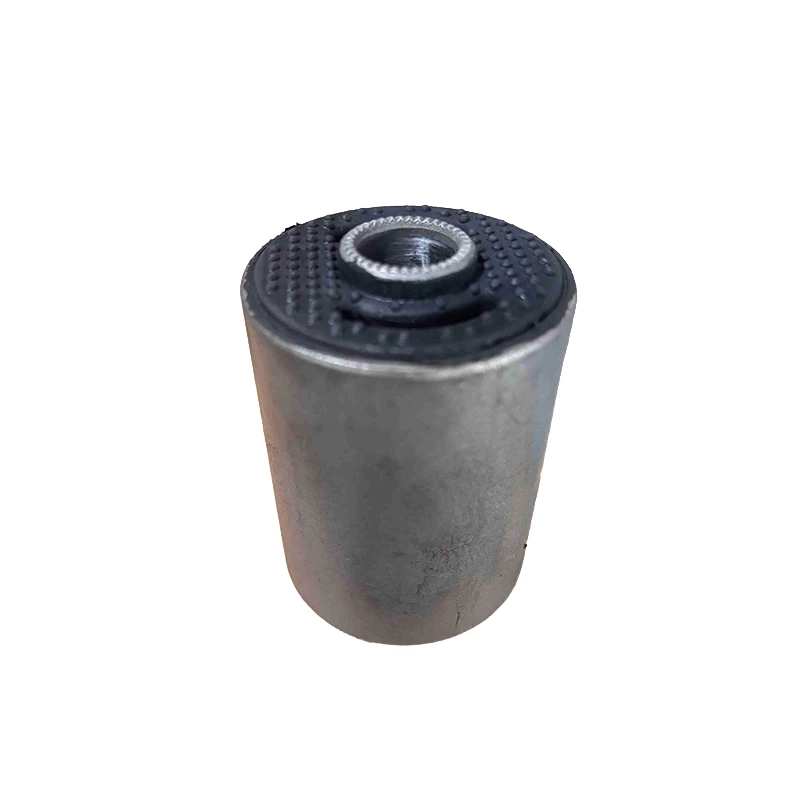
Leaf spring bushings are critical components in automotive and industrial suspension systems, providing a buffer between the leaf spring and its mounting points. As a leaf spring bushing supplier, we've witnessed firsthand the various issues that can lead to bushing failure. Understanding the common causes of leaf spring bushing failure is crucial for both manufacturers and users, as it can help prevent premature wear, ensure the safety and performance of the vehicle or machinery, and ultimately save on maintenance costs.
1. Wear and Tear
One of the most common causes of leaf spring bushing failure is simple wear and tear. Over time, the constant movement and stress placed on the bushings can cause the rubber or other materials to degrade. Every time the vehicle travels over a bump or around a corner, the bushings are subjected to forces that can gradually break down their structure.
The friction between the bushing and the metal components it interfaces with also contributes to wear. As the bushing rubs against the leaf spring or its mounting bracket, the surface of the bushing can wear away, reducing its thickness and effectiveness. This wear can be accelerated if the vehicle is frequently driven on rough roads or if it carries heavy loads, as these conditions increase the stress on the bushings.
2. Environmental Factors
Environmental factors play a significant role in the lifespan of leaf spring bushings. Exposure to extreme temperatures, both hot and cold, can have a detrimental effect on the bushing material. In high - temperature environments, the rubber in the bushings can become soft and lose its shape, reducing its ability to provide proper support. On the other hand, in extremely cold conditions, the rubber can become brittle and crack, making it more susceptible to failure.
Moisture and humidity are also major concerns. Water can seep into the bushings, causing corrosion of the metal components within or around them. Additionally, prolonged exposure to water can lead to the growth of mold and mildew, which can further degrade the bushing material. Salt from road de - icing agents can exacerbate corrosion issues, especially in regions with harsh winters.
3. Chemical Exposure
Leaf spring bushings can be exposed to a variety of chemicals that can cause damage. Automotive fluids such as oil, grease, and brake fluid are common culprits. These fluids can break down the rubber or elastomeric materials used in the bushings when they come into contact with them. For example, motor oil can soften the rubber, causing it to swell and lose its mechanical properties.
In industrial settings, bushings may be exposed to chemicals such as solvents, acids, or alkalis. These chemicals can have a more severe and rapid impact on the bushings, leading to accelerated deterioration and failure.
4. Incorrect Installation
Proper installation is essential for the longevity and performance of leaf spring bushings. Incorrect installation can cause uneven stress distribution on the bushings, leading to premature wear. For example, if the bushings are not properly aligned with the leaf spring and its mounting points, they may be subjected to excessive lateral forces that can cause them to deform or crack.
Using the wrong tools during installation can also damage the bushings. For instance, overtightening the bolts or using a tool that is too large or too harsh can cause the bushing to split or break. It's crucial that installers follow the manufacturer's guidelines carefully to ensure a proper fit and alignment.
5. Poor Quality Materials
The quality of the materials used in leaf spring bushings is a determining factor in their durability. Low - quality rubber or elastomers may not have the necessary strength, resilience, or resistance to environmental factors. These substandard materials can wear out more quickly, crack, or break under normal operating conditions.
As a leaf spring bushing supplier, we understand the importance of using high - quality materials. Our Encased Rubber Bushing and Elastomeric Bushing are made from premium materials that are carefully selected for their performance and durability. We also offer Vibration Bushings, Rubber Vibration Bushings, and Vibration Isolation Bushings that are designed to withstand a wide range of conditions.
6. Overloading
Overloading the vehicle or machinery is another common cause of leaf spring bushing failure. When a vehicle is loaded beyond its recommended capacity, the leaf springs and their bushings are subjected to excessive stress. This increased stress can cause the bushings to deform, crack, or even break.
Overloading can also lead to increased vibration and movement in the suspension system, which can further accelerate the wear of the bushings. It's important for vehicle owners and operators to be aware of the load - carrying capacity of their equipment and to avoid overloading.
7. Lack of Maintenance
Regular maintenance is crucial for the proper functioning of leaf spring bushings. Without proper maintenance, small issues can go unnoticed and develop into major problems. For example, if the bushings are not inspected regularly for signs of wear, damage, or corrosion, they may fail suddenly, leading to safety hazards.
Lubrication of the bushings is also important in some cases. Some types of leaf spring bushings require periodic lubrication to reduce friction and prevent wear. However, it's important to use the correct lubricant, as the wrong type can damage the bushing material.
Conclusion
In conclusion, there are several common causes of leaf spring bushing failure, including wear and tear, environmental factors, chemical exposure, incorrect installation, poor quality materials, overloading, and lack of maintenance. As a leaf spring bushing supplier, we are committed to providing high - quality products that can withstand these challenges.
Our range of bushings, such as Encased Rubber Bushing, Elastomeric Bushing, Vibration Bushings, Rubber Vibration Bushings, and Vibration Isolation Bushings, is designed to offer superior performance and durability. If you are in the market for reliable leaf spring bushings, we invite you to contact us for a detailed discussion about your specific needs. Our team of experts is ready to assist you in finding the right solution for your application.
References
- Megyesy, Mark. "Automotive Suspension Systems Handbook." McGraw - Hill, 2014.
- Gillespie, Tom D. "Fundamentals of Vehicle Dynamics." Society of Automotive Engineers, 1992.
- Andrews, John. "Industrial Shock and Vibration Isolation." Butterworth - Heinemann, 1988.