

When it comes to industrial applications, the question of whether rubber shock pads have good durability is of paramount importance. As a supplier of rubber shock pads, I have encountered numerous inquiries regarding their long - term performance and reliability. In this blog post, I will explore the factors that contribute to the durability of rubber shock pads and provide insights into their real - world applications.
Understanding the Basics of Rubber Shock Pads
Rubber shock pads are designed to absorb and dampen vibrations, shocks, and impacts in various mechanical and industrial systems. They are made from different types of rubber compounds, each with its own unique properties and characteristics. The most common types of rubber used in shock pad manufacturing include natural rubber, neoprene, nitrile rubber, and silicone rubber.

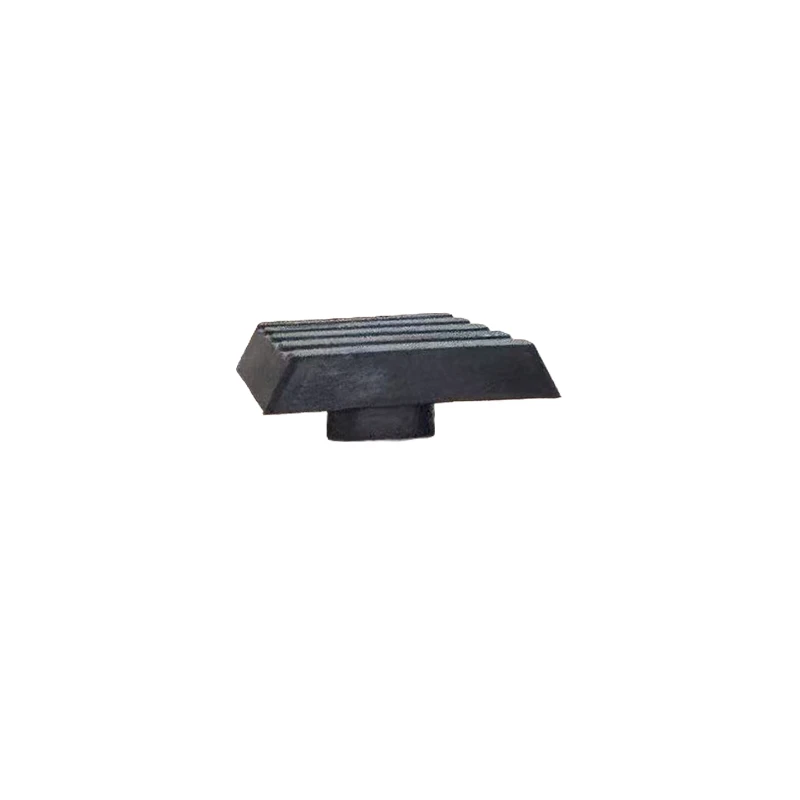
Natural rubber is known for its high elasticity and excellent shock - absorbing capabilities. It can withstand a wide range of temperatures and has good abrasion resistance. Neoprene, on the other hand, is resistant to oil, chemicals, and UV light, making it suitable for outdoor and harsh - environment applications. Nitrile rubber offers good resistance to oil and fuel, which is why it is often used in automotive and machinery applications. Silicone rubber has high thermal stability and can operate at extreme temperatures, making it ideal for high - temperature industrial settings.
Factors Affecting the Durability of Rubber Shock Pads
1. Material Quality
The quality of the rubber compound used in the shock pad is a crucial factor in determining its durability. High - quality rubber compounds are formulated to resist wear, tear, and degradation over time. At our company, we use state - of - the - art manufacturing processes and only source the finest raw materials to ensure that our rubber shock pads meet the highest standards of quality. For example, we carefully select the rubber polymers and additives to enhance the shock - absorbing properties and longevity of the products.
2. Operating Conditions
The operating environment in which the rubber shock pads are used has a significant impact on their durability. Factors such as temperature, humidity, exposure to chemicals, and mechanical stress can all affect the performance and lifespan of the shock pads. In high - temperature environments, rubber can become soft and lose its elasticity, while in cold temperatures, it can become brittle and crack. Exposure to chemicals, such as oils, solvents, and acids, can also cause the rubber to degrade and lose its effectiveness. Our rubber shock pads are engineered to withstand a wide range of operating conditions. For instance, our Rubber Damper Pad is designed to perform well in both high - and low - temperature environments, maintaining its shock - absorbing properties throughout its lifespan.
3. Load and Stress
The amount of load and stress that the rubber shock pads are subjected to during their operation also plays a role in their durability. If the shock pads are overloaded or exposed to excessive stress, they can experience premature failure. It is important to select the appropriate shock pad based on the specific load requirements of the application. Our technical team can assist customers in calculating the load and stress factors and recommend the most suitable rubber shock pad for their needs.
Real - World Applications and Durability
1. Automotive Industry
In the automotive industry, rubber shock pads are used in various applications, including suspension systems, engine mounts, and chassis components. For example, our Rubber Mount for Auto Chassis provides excellent vibration isolation and shock absorption, reducing noise and improving the overall ride comfort of the vehicle. These shock pads are designed to withstand the constant vibrations and impacts associated with driving, ensuring long - term durability and reliability.
2. Industrial Machinery
Industrial machinery, such as compressors, pumps, and generators, generates a significant amount of vibration and noise during operation. Rubber shock pads are used to isolate these machines from the surrounding environment, protecting them from damage and reducing noise pollution. Our Rubber Mounting Pad is widely used in industrial machinery applications, offering reliable shock absorption and vibration isolation. These pads are engineered to withstand the high mechanical stresses and harsh operating conditions typically found in industrial settings.
3. Construction and Infrastructure
In the construction and infrastructure sectors, rubber shock pads are used in building foundations, bridges, and railway tracks. They help to absorb seismic shocks and vibrations, protecting the structures from damage. Our Mounting Cushion Isolator is designed to provide effective vibration isolation in construction applications, ensuring the long - term stability and safety of the structures.
Testing and Quality Assurance
To ensure the durability of our rubber shock pads, we conduct rigorous testing procedures. Our products are tested for various performance parameters, including shock absorption, vibration isolation, compression set, and abrasion resistance. We also perform accelerated aging tests to simulate long - term exposure to different operating conditions. By subjecting our products to these tests, we can accurately predict their lifespan and performance in real - world applications.
Conclusion
In conclusion, rubber shock pads can have excellent durability when they are made from high - quality materials, designed for the specific operating conditions, and properly installed. As a supplier of rubber shock pads, we are committed to providing our customers with products that offer long - term performance and reliability. Whether you are in the automotive, industrial, or construction industry, our range of Rubber Buffer Pad and other shock - absorbing products can meet your needs.
If you are interested in learning more about our rubber shock pads or would like to discuss your specific requirements, please feel free to reach out to us. We are always ready to assist you in finding the best solution for your application.
References
- "Handbook of Elastomers" by I. Franta
- "Rubber Technology: Compounding, Testing, and Applications" by K. K. Chaturvedi