

Proper storage of rubber end cushions is crucial for maintaining their quality and performance. As a supplier of Rubber End Cushions, I understand the significance of effective storage methods and want to share some valuable insights based on scientific knowledge and practical experience.
Understanding the Material Properties of Rubber End Cushions
Before delving into storage techniques, it's essential to understand the characteristics of rubber end cushions. Rubber is a polymer material that can be affected by various environmental factors such as temperature, humidity, light, and chemicals. These factors can lead to changes in the rubber's physical and chemical properties, including hardness, elasticity, and resistance to wear and tear.
Ideal Storage Conditions
Temperature
Temperature is one of the most critical factors in rubber storage. Rubber end cushions should be stored in an environment where the temperature is relatively stable. Extreme temperatures can cause the rubber to expand or contract, which may lead to cracking or deformation. The ideal temperature range for storing rubber end cushions is between 10°C and 30°C (50°F and 86°F). Avoid storing them in areas that are exposed to direct sunlight or near heat sources such as radiators or furnaces.
Humidity
High humidity can cause the rubber to absorb moisture, which may lead to mold growth and degradation of the material. On the other hand, very low humidity can make the rubber dry and brittle. The recommended relative humidity level for storing rubber end cushions is between 40% and 60%. To maintain the appropriate humidity level, you can use dehumidifiers or humidifiers in the storage area, depending on the local climate.
Light
Exposure to light, especially ultraviolet (UV) light, can cause the rubber to age and deteriorate more rapidly. UV light can break down the chemical bonds in the rubber, making it less elastic and more prone to cracking. Therefore, rubber end cushions should be stored in a dark place or protected from direct light using opaque containers or covers.
Chemicals
Rubber end cushions can be sensitive to certain chemicals, such as solvents, oils, and acids. These chemicals can react with the rubber and cause it to swell, soften, or lose its physical properties. When storing rubber end cushions, keep them away from areas where chemicals are stored or used. If it's necessary to store them in the same area, make sure they are properly separated and protected.
Storage Containers and Shelving
Containers
Choose appropriate storage containers for rubber end cushions. Plastic containers are a popular choice as they are durable, lightweight, and can protect the rubber from dust, moisture, and light. Make sure the containers are clean and dry before storing the rubber end cushions. You can also use sealed plastic bags for smaller quantities.
Shelving
Use sturdy and clean shelving to store the containers. The shelving should be made of a material that is not likely to rust or corrode, such as stainless steel or painted metal. Arrange the containers in an organized manner to ensure easy access and to prevent damage to the rubber end cushions.
Handling and Stacking
Handling
When handling rubber end cushions, be gentle to avoid any physical damage. Wear gloves to prevent oils from your hands from coming into contact with the rubber, as this can affect its properties. Also, avoid dragging or scraping the rubber on rough surfaces.
Stacking
If you need to stack the containers, do it carefully to prevent crushing the rubber end cushions at the bottom. Do not stack them too high, as excessive weight can cause deformation. Make sure the containers are stable and do not tip over.
Regular Inspection
It's important to conduct regular inspections of the stored rubber end cushions. Check for any signs of damage, such as cracks, tears, or discoloration. Also, monitor the storage conditions, including temperature, humidity, and the presence of any chemicals or pests. If you notice any changes in the rubber end cushions or the storage environment, take appropriate measures immediately to prevent further deterioration.
Products Related to Rubber End Cushions
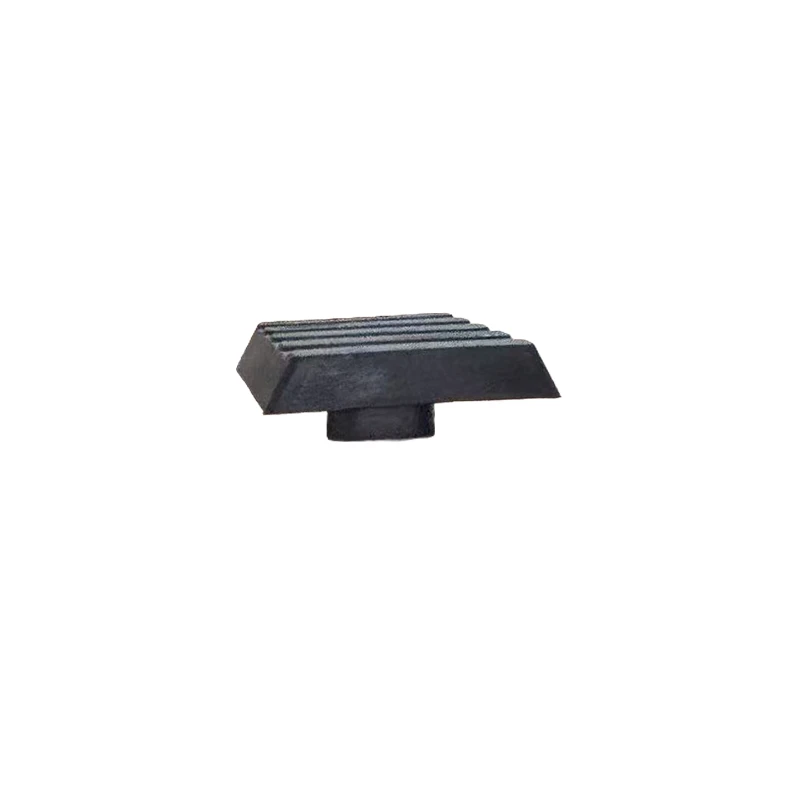
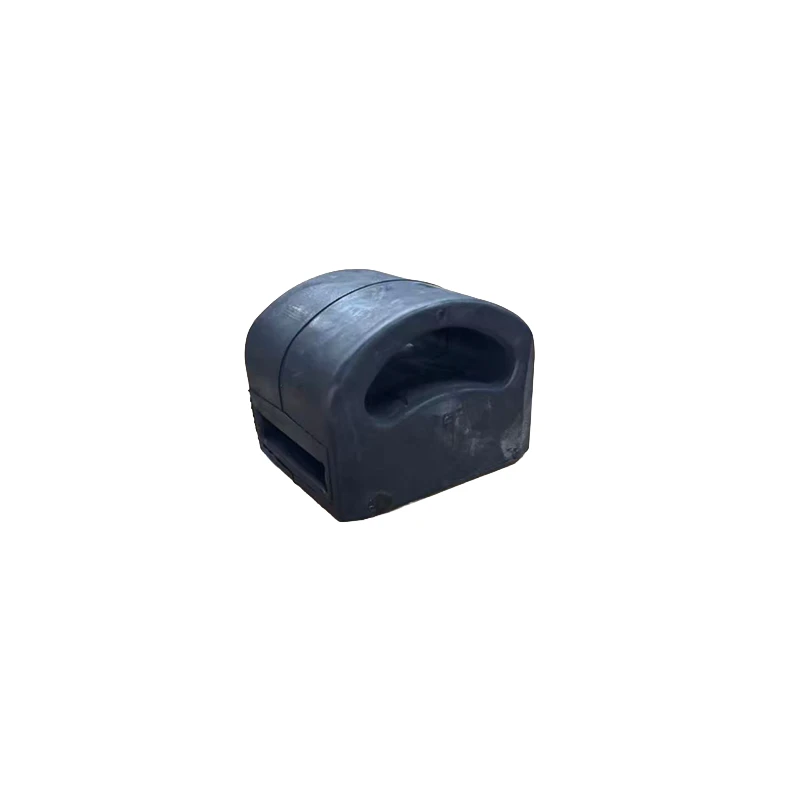
As a supplier, we also offer a range of products related to rubber end cushions. For example, our Rubber Mount for Auto Chassis is designed to provide excellent vibration isolation and support for the auto chassis. You can also find our Rubber Shock Pad, which is used to absorb shock and reduce noise in various applications. Our Rubber End Cushion itself comes in different sizes and specifications to meet your specific needs. Additionally, we have Rubber Isolation Pad and Rubber Damper Pad that are widely used in industrial and mechanical applications.
Conclusion
Proper storage of rubber end cushions is essential for ensuring their long - term quality and performance. By following the above - mentioned guidelines regarding temperature, humidity, light, chemicals, storage containers, handling, stacking, and regular inspection, you can significantly extend the lifespan of these products. If you have any questions about the storage of rubber end cushions or are interested in our products, feel free to contact us for more information and to discuss your procurement needs. We are committed to providing high - quality rubber products and professional services to our customers.
References
- "Handbook of Rubber Technology" - Edited by Fred W. Werner and James L. Goodrich
- "Rubber Compounding: Principles, Materials, and Techniques" - By Maurice Morton