

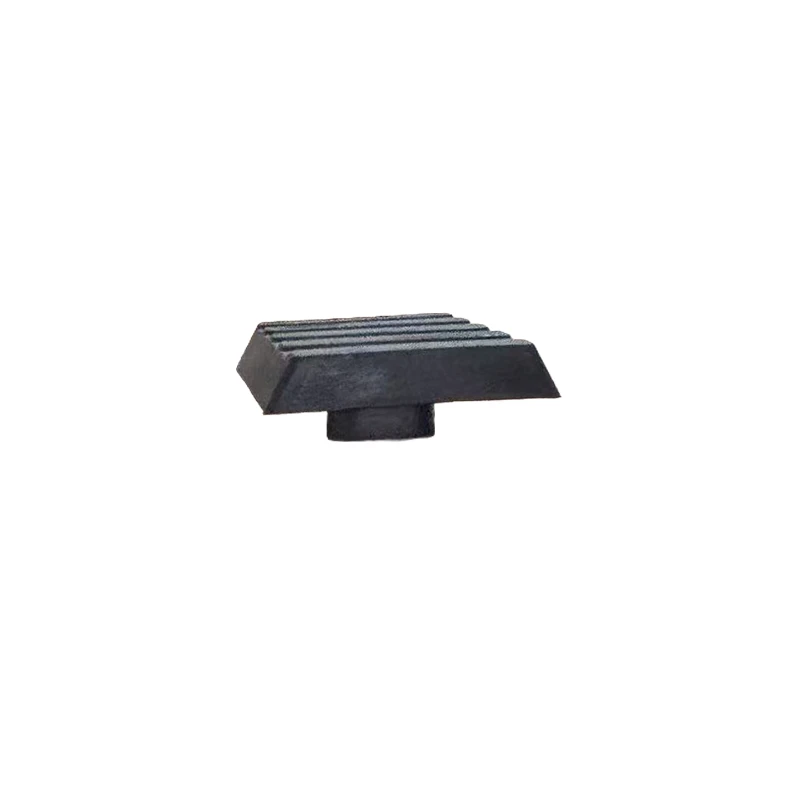
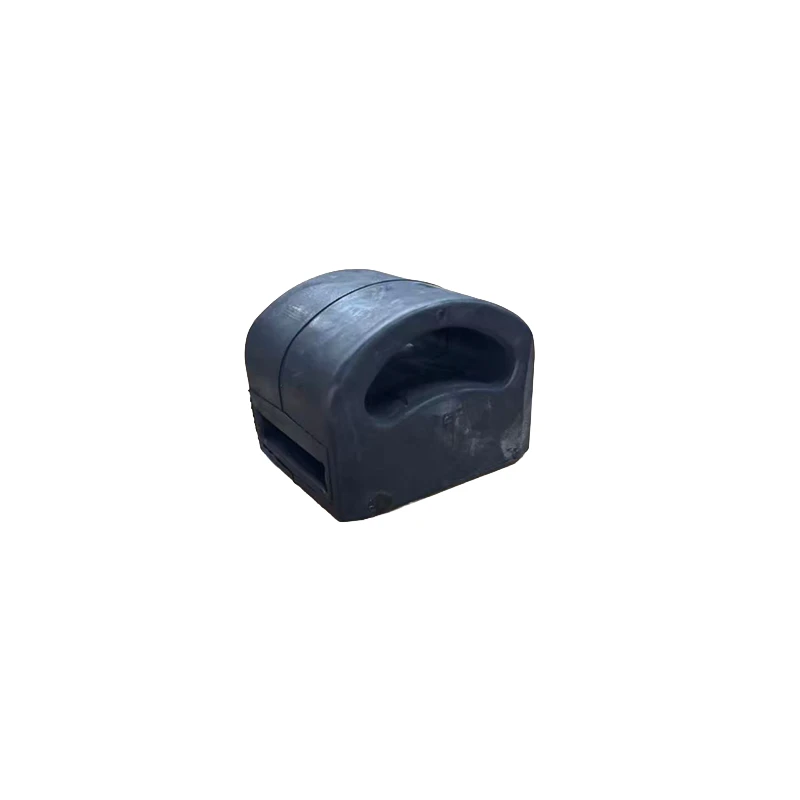
As a supplier of Rubber Limit Pads, ensuring the compatibility of our products with other materials is crucial. Compatibility issues can lead to premature wear, reduced performance, and even safety hazards. In this blog post, I will share some methods on how to check the compatibility of a Rubber Limit Pad with other materials, which can help our customers make informed decisions and ensure the optimal use of our products.
Understanding Material Properties
Before checking compatibility, it is essential to have a clear understanding of the properties of both the Rubber Limit Pad and the other materials it will come into contact with. Rubber Limit Pads are typically made from various rubber compounds, each with its own unique characteristics such as hardness, elasticity, chemical resistance, and temperature tolerance.
For example, natural rubber offers excellent elasticity and tear resistance but may have limited resistance to oils and chemicals. On the other hand, synthetic rubbers like nitrile rubber (NBR) are known for their good oil and fuel resistance, while silicone rubber has high - temperature stability.
The other materials can range from metals (such as steel, aluminum), plastics (e.g., polycarbonate, nylon), and other rubber or elastomeric components. Metals have different surface finishes, corrosion resistances, and thermal expansion coefficients. Plastics vary in terms of their mechanical strength, chemical reactivity, and melting points.
Visual Inspection and Initial Compatibility Assessment
The first step in checking compatibility is a simple visual inspection. When a Rubber Limit Pad and another material are brought into contact, observe if there are any immediate signs of reaction. This could include discoloration, swelling, or softening of the rubber. For instance, if the rubber pad turns yellow or becomes sticky when in contact with a certain plastic, it may indicate a chemical reaction between the two materials.
We can also perform a short - term contact test. Place a small sample of the Rubber Limit Pad in contact with a sample of the other material under normal operating conditions for a few days. Check for any visible changes in the appearance or physical properties of either material at regular intervals.
Chemical Compatibility Testing
Chemical compatibility is a critical aspect, especially when the Rubber Limit Pad is used in environments where it may be exposed to various chemicals. There are several ways to test chemical compatibility:
Immersion Tests
Immerse a sample of the Rubber Limit Pad in a solution representing the chemical environment it will encounter. For example, if the pad is expected to be in contact with oil, soak it in the specific type of oil for a set period, usually several days to weeks. Monitor changes in weight, volume, hardness, and tensile strength. An increase in weight or volume may indicate that the rubber has absorbed the chemical, which could lead to swelling and loss of mechanical properties.
A decrease in hardness and tensile strength can also suggest that the chemical is degrading the rubber. After the immersion period, perform mechanical tests on the sample, such as a tensile test using a universal testing machine, to quantify the change in its mechanical properties.
Exposure to Vapors
In some cases, the rubber pad may be exposed to chemical vapors rather than direct contact with liquids. Place the sample in a sealed chamber with the chemical vapors and observe for any changes. This method is useful for applications in industrial settings where fumes are present.
Physical Compatibility: Mechanical and Thermal Considerations
Mechanical Compatibility
The mechanical properties of the Rubber Limit Pad and the other materials must be compatible to ensure proper functioning. For example, if the pad is used to cushion the impact between two moving parts, its hardness and elasticity should match the requirements of the application. If the pad is too hard, it may not provide sufficient cushioning; if it is too soft, it may deform excessively and lose its effectiveness.
When paired with a metal component, the rubber pad should be able to withstand the mechanical forces exerted on it. Assess the shear strength, compression set, and abrasion resistance of the rubber pad through mechanical testing. Compression set testing determines how well the rubber returns to its original shape after being compressed, which is crucial for maintaining its long - term performance.
Thermal Compatibility
Temperature differences can cause materials to expand or contract at different rates. This can lead to stress, cracking, or separation of the Rubber Limit Pad from the other material. Check the thermal expansion coefficients of both the rubber and the other material. If there is a significant difference, it may be necessary to design the assembly in a way that can accommodate the differential expansion.
For example, in automotive applications where the Rubber Limit Pad may be exposed to high - temperature engine compartments, use a rubber compound with a high - temperature tolerance. Conduct thermal cycling tests, where the sample is subjected to repeated cycles of heating and cooling, to simulate real - world operating conditions. Monitor for any signs of damage, such as cracking or delamination, during these tests.
Compatibility with Related Products
In addition to general materials, our Rubber Limit Pads may be used in conjunction with other rubber - based products. For example, they can be paired with Rubber Damper Pad, Rubber Shock Block, Automotive Rubber Buffer Assembly, Rubber End Cushion, and Rubber Mount for Auto Chassis.
When using these products together, ensure that they have similar chemical and physical properties. For example, if they are all exposed to the same chemical environment, they should have comparable chemical resistance. If they are part of a mechanical system, their hardness and elasticity should be coordinated to ensure smooth operation.
Conclusion and Call to Action
Checking the compatibility of a Rubber Limit Pad with other materials is a multi - step process that involves understanding material properties, conducting visual inspections, chemical testing, and assessing physical compatibility. By following these methods, we can ensure that our Rubber Limit Pads work effectively in various applications and with diverse materials.
If you are in the market for Rubber Limit Pads or have questions about compatibility with your specific materials and applications, we are here to help. Our team of experts can provide detailed guidance and support to ensure that you select the right product. Feel free to reach out to us to start a procurement discussion and find the perfect Rubber Limit Pad solution for your needs.
References
- ASTM International. (20XX). Standard Test Methods for Rubber Properties in Compression.
- ISO Standards. (20XX). ISO [number] - Rubber - Determination of Chemical Resistance.
- Rubber Manufacturers Association. (20XX). Compatibility Guidelines for Rubber and Other Materials.