

As a trusted supplier of anti-vibration bushings, I've witnessed firsthand the critical role these components play in various industries. One of the most challenging environments for anti-vibration bushings is the low-temperature setting. In this blog, I'll delve into how anti-vibration bushings perform in low-temperature environments, exploring the factors that affect their performance and the solutions we offer to ensure optimal functionality.
Understanding the Basics of Anti-Vibration Bushings
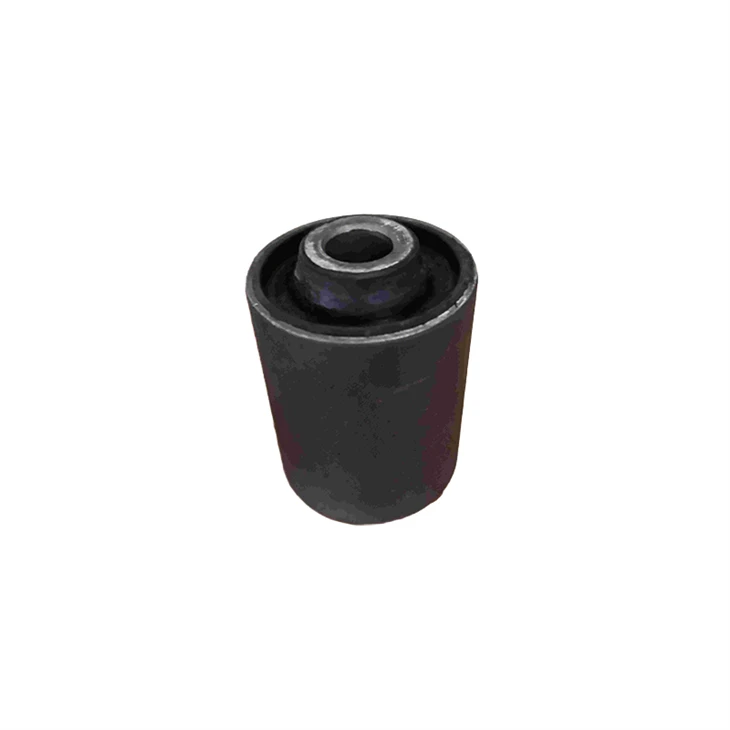
Anti-vibration bushings are designed to reduce the transmission of vibrations between two components. They are commonly used in automotive, industrial machinery, and aerospace applications, among others. These bushings typically consist of a rubber or elastomeric material that is bonded to a metal sleeve or insert. The rubber material absorbs and dampens vibrations, while the metal sleeve provides structural support.
The performance of anti-vibration bushings is influenced by several factors, including the type of rubber material, the design of the bushing, and the operating conditions. In low-temperature environments, the behavior of the rubber material changes significantly, which can have a profound impact on the bushing's performance.
The Impact of Low Temperatures on Rubber Materials
Rubber is a viscoelastic material, which means it exhibits both viscous and elastic properties. At normal temperatures, rubber is flexible and can easily deform to absorb vibrations. However, as the temperature drops, the rubber becomes stiffer and less flexible. This change in behavior is due to the reduction in molecular mobility within the rubber material.
When rubber is exposed to low temperatures, it undergoes a transition from a rubbery state to a glassy state. This transition is known as the glass transition temperature (Tg). Below the Tg, the rubber becomes brittle and loses its ability to absorb vibrations effectively. As a result, the anti-vibration performance of the bushing is significantly reduced.
In addition to the change in stiffness, low temperatures can also cause other issues in rubber materials, such as cracking and embrittlement. Cracking occurs when the rubber is subjected to stress while in a glassy state, and it can lead to the failure of the bushing. Embrittlement, on the other hand, reduces the durability of the rubber and makes it more susceptible to damage.

Factors Affecting the Performance of Anti-Vibration Bushings in Low Temperatures
Several factors can affect the performance of anti-vibration bushings in low-temperature environments. These include:
- Rubber Material Selection: Different rubber materials have different glass transition temperatures and low-temperature properties. For example, natural rubber has a relatively high Tg and is not suitable for low-temperature applications. On the other hand, synthetic rubbers such as neoprene, nitrile, and silicone have lower Tg values and can perform better in cold conditions.
- Bushing Design: The design of the bushing can also impact its performance in low temperatures. A bushing with a thicker rubber layer or a more complex design may be more resistant to the effects of low temperatures. Additionally, the shape and size of the bushing can affect its ability to absorb vibrations.
- Operating Conditions: The operating conditions, such as the frequency and amplitude of the vibrations, can also influence the performance of the bushing in low temperatures. Higher frequencies and amplitudes can increase the stress on the rubber material, making it more likely to crack or fail.
Our Solutions for Low-Temperature Applications
As a supplier of anti-vibration bushings, we understand the challenges posed by low-temperature environments. That's why we offer a range of bushings specifically designed to perform well in cold conditions. Our products include:
- Black Rubber Bushing: Our black rubber bushings are made from high-quality synthetic rubber materials with low glass transition temperatures. They are designed to provide excellent vibration isolation and durability in low-temperature applications.
- Rubber Bushing with Steel Insert: These bushings feature a steel insert for added structural support. The rubber material is selected for its low-temperature performance, ensuring reliable operation in cold environments.
- Steel Sleeve Rubber Bushings: Our steel sleeve rubber bushings are designed to withstand high loads and vibrations. The steel sleeve provides additional protection to the rubber material, making it more resistant to damage in low temperatures.
- Vibration Bushings: Our vibration bushings are available in a variety of sizes and designs to meet the specific needs of our customers. They are made from high-performance rubber materials that offer excellent vibration isolation and low-temperature performance.
- Encased Rubber Bushing: These bushings are encased in a protective housing, which helps to prevent damage to the rubber material. The encasement also provides additional insulation, making them suitable for use in low-temperature environments.
Testing and Quality Assurance
To ensure the performance of our anti-vibration bushings in low-temperature environments, we conduct extensive testing. Our testing procedures include measuring the stiffness, damping, and durability of the bushings at various temperatures. We also perform environmental testing to simulate the conditions that the bushings will encounter in real-world applications.
In addition to testing, we have a rigorous quality assurance program in place. Our products are manufactured to strict quality standards, and we use only the highest-quality materials. We also conduct regular inspections and audits to ensure that our manufacturing processes are consistent and reliable.
Conclusion
Anti-vibration bushings play a crucial role in reducing the transmission of vibrations in various industries. However, their performance can be significantly affected by low-temperature environments. By understanding the factors that affect the performance of anti-vibration bushings in cold conditions and offering solutions specifically designed for these environments, we can help our customers ensure the reliable operation of their equipment.
If you're in the market for anti-vibration bushings for low-temperature applications, we'd love to hear from you. Our team of experts can help you select the right product for your needs and provide you with the support and guidance you need to ensure a successful installation. Contact us today to start the conversation.
References
- ASTM International. (2023). Standard Test Methods for Rubber Property - Low - Temperature Brittleness. ASTM D2137 - 16(2021).
- ISO 7619 - 1:2010. Rubber, vulcanized or thermoplastic — Determination of indentation hardness — Part 1: Durometer method (Shore hardness).
- Rubber Manufacturers Association. (2019). Rubber Compounding: Principles, Materials, and Techniques.