

Can rubber bushings be treated to improve their performance? That's a question I get asked a lot as a rubber bushing supplier. And let me tell you, the short answer is yes! There are several ways to treat rubber bushings to enhance their performance, and I'm gonna break it all down for you in this blog.
First off, let's understand what rubber bushings are and why their performance matters. Rubber bushings are these nifty little components used in all sorts of applications, from automotive to industrial machinery. They're designed to reduce vibration, noise, and shock, and to provide a cushioning effect between two moving parts. For example, in a car suspension system, rubber bushings help to absorb the bumps and jolts from the road, making your ride smoother and more comfortable. In industrial equipment, they can prevent damage to machinery by dampening vibrations.
Now, when it comes to improving the performance of rubber bushings, there are a few key treatment methods that can make a big difference.
1. Chemical Treatment
One of the most common ways to treat rubber bushings is through chemical treatment. This involves applying various chemicals to the rubber surface or incorporating them into the rubber compound during the manufacturing process.
For instance, flame retardants can be added to rubber bushings used in applications where there's a risk of fire. This makes the bushings less likely to catch fire and spread flames, increasing safety. Another example is the use of anti - aging agents. Over time, rubber can deteriorate due to exposure to heat, oxygen, and UV light. Anti - aging agents slow down this degradation process, extending the lifespan of the rubber bushings. Some chemicals can also improve the rubber's resistance to oil and solvents. This is crucial in industrial settings where rubber bushings may come into contact with these substances regularly.
2. Heat Treatment
Heat treatment is another effective method. By subjecting rubber bushings to specific heat cycles, we can change the physical properties of the rubber. Heating the rubber can cause it to cross - link more effectively. Cross - linking is like creating a web - like structure within the rubber molecules, making it stronger and more durable.
For example, during a process called vulcanization, heat and sulfur are used to cross - link the rubber. This results in a bushing that has better elasticity, higher hardness, and improved resistance to abrasion. In some cases, mild heat treatment can also relieve internal stresses in the rubber that may have been created during the manufacturing process. This helps to prevent premature failure of the bushing.
3. Surface Coating
Applying a surface coating to rubber bushings can offer several performance benefits. A coating can provide an extra layer of protection against environmental factors such as moisture, chemicals, and abrasion.
There are different types of coatings available. For example, a polyurethane coating can make the rubber bushing more resistant to scratches and wear. It can also improve the bushing's grip, which can be useful in applications where the bushing needs to hold onto a particular component firmly. Some silicone - based coatings can enhance the bushing's water - repellency, making it suitable for use in wet or humid environments.
Real - World Applications and Benefits
Let's take a look at how these treated rubber bushings can make a difference in real - world scenarios.
In the automotive industry, better - performing rubber bushings mean a more comfortable and reliable ride. When rubber bushings in the suspension system are treated to have improved shock - absorption capabilities, drivers feel fewer vibrations and bumps. This not only makes the driving experience more pleasant but also reduces wear and tear on other parts of the vehicle. In the long run, it can lower maintenance costs for car owners.
In industrial applications, treated rubber bushings can increase the efficiency of machinery. For example, in a power generation plant, Vibration Damping Bushings that have been treated to have better vibration - dampening properties can reduce the vibration transmitted to the surrounding structures. This minimizes the risk of structural damage and helps to keep the equipment running smoothly.
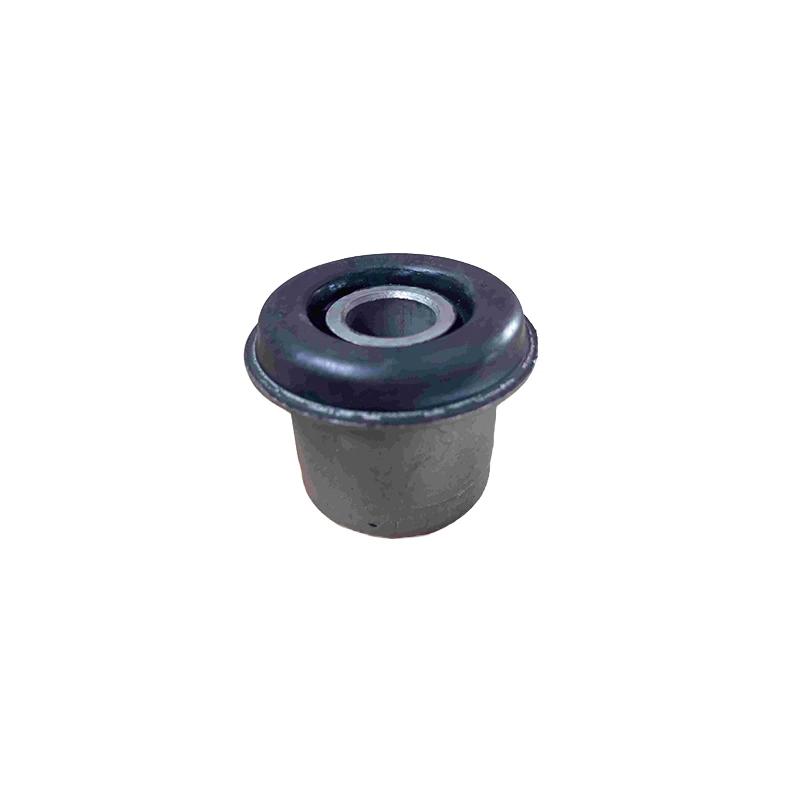
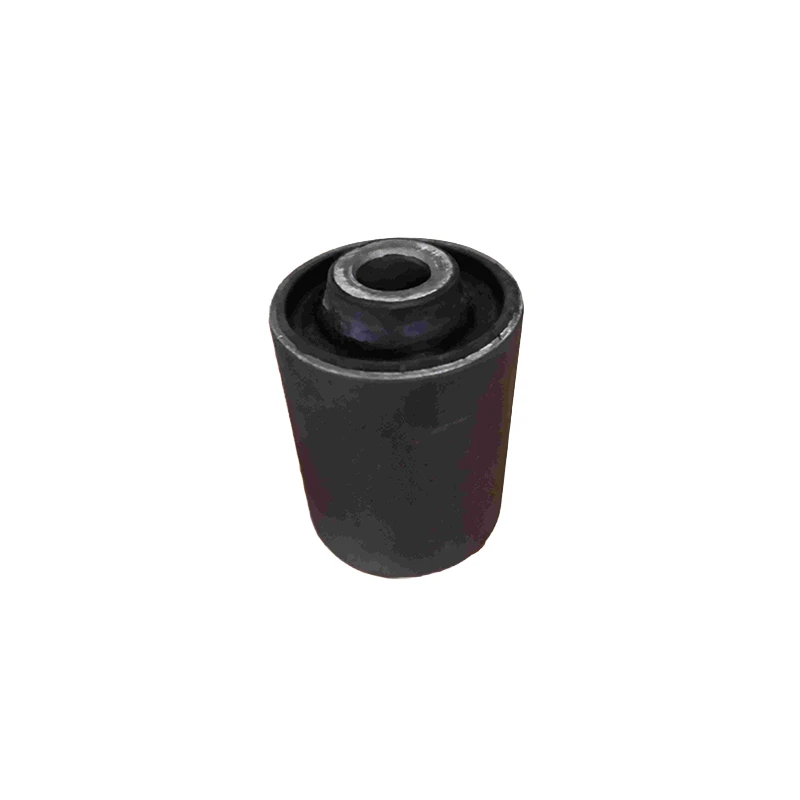
Types of Rubber Bushings and Their Treated Performance
Different types of rubber bushings have different requirements and benefits when treated.
Elastomeric Bushing: These bushings are known for their high elasticity. By treating them with chemicals to enhance their resistance to temperature changes, they can maintain their elasticity in a wider range of operating conditions. This makes them ideal for applications where the temperature can vary significantly, such as in aerospace and some heavy - duty automotive applications.
Vibration Bushings: When vibration bushings are treated with proper heat and chemical treatments, they can offer better vibration isolation. This is crucial in applications where excessive vibration can cause damage to sensitive components, like in precision manufacturing equipment.
Square Rubber Bushings: These unique - shaped bushings can benefit from surface coatings that improve their abrasion resistance. Since they may have different contact points and stress distribution compared to standard round bushings, a good coating can protect them from premature wear.
Encased Rubber Bushing: Encased rubber bushings already have a protective outer layer, but additional chemical treatments to the rubber inside can enhance their overall performance. For example, treating the rubber to be more resistant to oil can make these bushings suitable for use in oil - filled environments, such as in some hydraulic systems.
Conclusion
So, to sum it up, rubber bushings can definitely be treated to improve their performance. Whether it's through chemical treatment, heat treatment, or surface coating, these methods can enhance the durability, functionality, and lifespan of rubber bushings.
If you're in the market for high - performance rubber bushings or want to learn more about how we can treat our products to meet your specific needs, don't hesitate to reach out. We're here to help you find the best rubber bushing solutions for your applications.
References
- Smith, J. (2020). Rubber Materials and Their Applications. Industrial Publishing.
- Johnson, A. (2019). Advances in Rubber Bushing Technology. Automotive Engineering Journal.