

Hey there! As a supplier of vibration bushings, I'm super stoked to share with you how these nifty little components work. Vibration bushings are like the unsung heroes in many machines and vehicles, quietly doing their job to keep things running smoothly.
What Are Vibration Bushings?
First off, let's talk about what vibration bushings are. They're basically small parts made of rubber or a combination of rubber and other materials. You can find them in all sorts of places, from cars and trucks to industrial equipment. Their main job is to reduce vibrations and noise, and they do this in a really cool way.
How Do They Work?
The key to how vibration bushings work lies in the properties of the materials they're made of. Rubber, for example, is an elastic material. When a vibration hits a rubber bushing, the rubber deforms. This deformation absorbs the energy from the vibration, kind of like a sponge soaking up water.
Let's break it down a bit more. Imagine you're in a car. When the wheels hit a bump on the road, they send vibrations up through the suspension system. If there were no vibration bushings, these vibrations would be transferred directly to the car's body, making for a really rough and noisy ride. But thanks to the bushings, the vibrations are absorbed and dampened before they reach the rest of the vehicle.
The rubber in the bushing acts as a buffer. It flexes and bends as the vibration passes through it, converting the kinetic energy of the vibration into heat energy. This process is called hysteresis. The heat is then dissipated into the surrounding environment, effectively reducing the intensity of the vibration.
Different Types of Vibration Bushings
There are several types of vibration bushings, each designed for specific applications.
Vibration Damping Bushings
Vibration Damping Bushings are designed to absorb and dampen vibrations in machinery and equipment. They're often used in industrial settings where reducing noise and vibration is crucial for the smooth operation of the equipment. These bushings are made of high-quality rubber compounds that are specifically formulated to provide maximum damping performance.
Square Rubber Bushings
Square Rubber Bushings have a square shape, which makes them suitable for applications where space is limited or where a specific mounting configuration is required. They can be used in a variety of industries, including automotive, aerospace, and electronics.
Steel Lined Rubber Bushes
Steel Lined Rubber Bushes combine the strength of steel with the flexibility of rubber. The steel lining provides additional support and durability, while the rubber layer absorbs vibrations. These bushings are commonly used in heavy-duty applications, such as construction equipment and trucks.
Vibration Isolation Bushings
Vibration Isolation Bushings are designed to isolate vibrations from one part of a system to another. They're often used in applications where it's important to prevent vibrations from spreading, such as in electronic devices or precision machinery.
Suspension Bushing
Suspension Bushing are a type of vibration bushing that's specifically designed for use in vehicle suspension systems. They help to reduce vibrations and noise, and they also improve the handling and ride comfort of the vehicle.
Factors Affecting the Performance of Vibration Bushings
The performance of vibration bushings can be affected by several factors. One of the most important factors is the material of the bushing. Different rubber compounds have different properties, such as hardness, elasticity, and resistance to heat and chemicals. The hardness of the rubber, for example, can affect how much vibration the bushing can absorb. A softer rubber will absorb more vibration, but it may also wear out more quickly.
Another factor is the design of the bushing. The shape, size, and thickness of the bushing can all affect its performance. For example, a bushing with a larger surface area will be able to absorb more vibration than a bushing with a smaller surface area.
The operating conditions also play a role in the performance of vibration bushings. Factors such as temperature, humidity, and the frequency and amplitude of the vibrations can all affect how well the bushing works. For example, high temperatures can cause the rubber to become softer and less effective at absorbing vibrations.
Benefits of Using Vibration Bushings
There are many benefits to using vibration bushings. One of the main benefits is that they reduce noise and vibration, which can improve the comfort and safety of the user. In a car, for example, vibration bushings can make the ride smoother and quieter, reducing driver fatigue.
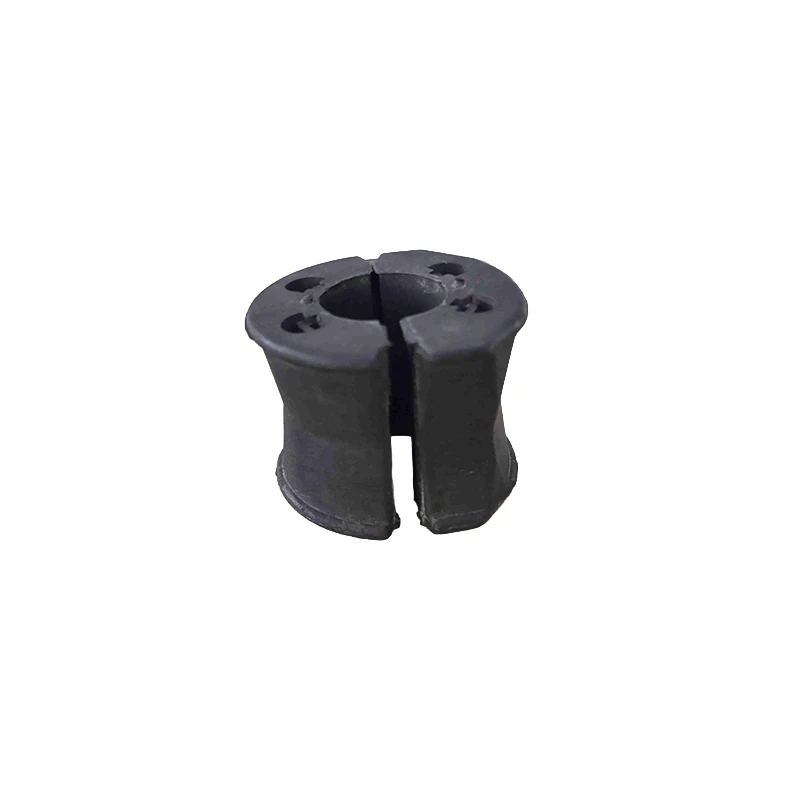
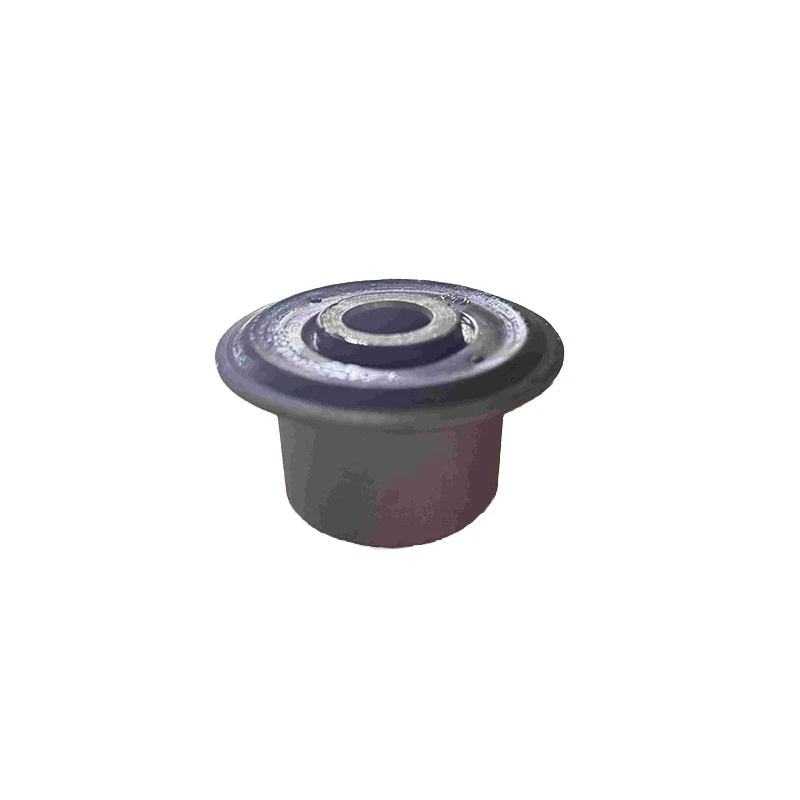
Vibration bushings also help to protect the equipment and machinery from damage. By absorbing vibrations, they reduce the stress on the components, which can extend their lifespan. This can save money in the long run by reducing the need for repairs and replacements.
In addition, vibration bushings can improve the performance of the equipment. By reducing vibrations, they can improve the accuracy and precision of the machinery, which can lead to better quality products.
Conclusion
So, there you have it! That's how vibration bushings work. They're simple yet incredibly effective components that play a crucial role in many industries. Whether you're in the automotive, industrial, or electronics industry, vibration bushings can help to improve the performance, comfort, and safety of your equipment.
If you're interested in purchasing vibration bushings for your application, I'd love to chat with you. We have a wide range of high-quality vibration bushings to choose from, and our team of experts can help you find the right one for your needs. Just reach out to us and we'll be happy to assist you.
References
- "Rubber Technology Handbook" by Werner Hofmann
- "Vibration Damping in Structures" by David J. Ewins