

Installing a black rubber bushing can seem like a daunting task, especially if you're not familiar with the process. As a supplier of high - quality black rubber bushings, I'm here to guide you through each step to ensure a successful installation.
Understanding Black Rubber Bushings
Before we delve into the installation process, it's crucial to understand what black rubber bushings are and their functions. Black rubber bushings are flexible components typically made from synthetic rubber compounds. They are used in a wide range of applications, from automotive suspension systems to industrial machinery.
One of the primary functions of black rubber bushings is to reduce vibration and noise. By absorbing and dampening vibrations, they help to improve the overall performance and longevity of the equipment they are installed in. Additionally, they can also provide a certain degree of flexibility, allowing for small amounts of movement between connected parts.
Types of Black Rubber Bushings
There are several types of black rubber bushings available in the market, each designed for specific applications. Some of the common types include:
- Square Rubber Bushings: These bushings have a square shape and are often used in applications where space is limited or where a more stable mounting is required. Square Rubber Bushings
- Vibration Bushings: As the name suggests, these bushings are specifically designed to reduce vibrations. They are commonly used in automotive engines, industrial motors, and other equipment that generates a significant amount of vibration. Vibration Bushings
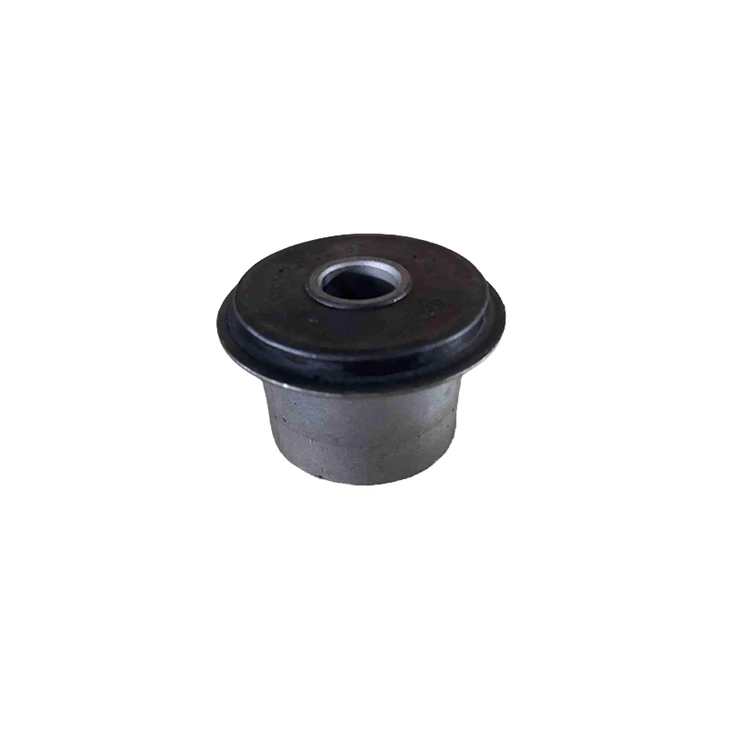
- Steel Rubber Bushing: These bushings combine the strength of steel with the flexibility of rubber. The steel core provides structural support, while the rubber outer layer absorbs vibrations and provides a cushioning effect. Steel Rubber Bushing
- Rubber Bushings with Steel Sleeve: These bushings have a steel sleeve inserted inside the rubber, which enhances their durability and load - bearing capacity. They are often used in heavy - duty applications. Rubber Bushings with Steel Sleeve
- Vibration Isolation Bushings: These bushings are used to isolate vibrations from one part of a system to another. They are commonly used in sensitive equipment to prevent damage caused by vibrations. Vibration Isolation Bushings
Tools and Materials Needed
Before you begin the installation process, you need to gather the necessary tools and materials. Here's a list of what you'll typically need:
- Black rubber bushing
- Socket wrench set
- Pliers
- Hammer
- Lubricant (such as silicone spray or soapy water)
- Safety glasses
Step - by - Step Installation Guide
Step 1: Prepare the Work Area
First, make sure you have a clean and well - lit work area. Remove any debris or dirt from the area where the bushing will be installed. This will prevent any contaminants from getting trapped between the bushing and the mounting surface.

Step 2: Remove the Old Bushing (if applicable)
If you're replacing an old bushing, you'll need to remove it first. Use a socket wrench to loosen and remove the bolts or nuts that are holding the bushing in place. In some cases, you may need to use pliers or a hammer to gently pry the old bushing out. Be careful not to damage the mounting surface or any surrounding components.
Step 3: Inspect the Mounting Surface
Once the old bushing is removed, inspect the mounting surface for any signs of damage or wear. If there are any scratches, dents, or corrosion, you may need to repair or clean the surface before installing the new bushing. A damaged mounting surface can cause the bushing to wear out prematurely or not function properly.
Step 4: Lubricate the Bushing
Apply a small amount of lubricant to the outer surface of the new black rubber bushing. This will make it easier to insert the bushing into the mounting hole. You can use a silicone spray or soapy water as a lubricant. Make sure to apply the lubricant evenly.
Step 5: Insert the Bushing
Carefully align the bushing with the mounting hole and gently press it in. You may need to use a hammer and a block of wood to tap the bushing into place. Be careful not to apply too much force, as this can damage the bushing or the mounting surface. If the bushing is resistant, double - check that it is properly aligned and that the lubricant is evenly applied.
Step 6: Secure the Bushing
Once the bushing is inserted, use a socket wrench to tighten the bolts or nuts that hold it in place. Make sure to tighten them to the specified torque value, which can usually be found in the equipment's manual. Over - tightening can cause the bushing to deform or crack, while under - tightening can result in the bushing coming loose.
Step 7: Check for Proper Installation
After securing the bushing, check to make sure it is installed correctly. The bushing should be centered in the mounting hole and there should be no gaps between the bushing and the mounting surface. You can also try moving the connected parts slightly to see if the bushing is functioning properly and providing the necessary flexibility.
Troubleshooting
If you encounter any problems during the installation process, here are some common issues and solutions:
- Bushing won't fit: If the bushing is too large to fit into the mounting hole, check if you have the correct size. You may also need to re - measure the mounting hole. If the hole is slightly too small, you can use a reamer to enlarge it slightly.
- Bushing moves or comes loose: This could be due to insufficient tightening of the bolts or nuts. Check the torque values and re - tighten the fasteners. If the problem persists, the mounting surface may be damaged, and you may need to repair or replace it.
Conclusion
Installing a black rubber bushing is a relatively straightforward process if you follow the steps outlined above. By choosing the right type of bushing and ensuring a proper installation, you can improve the performance and longevity of your equipment. If you have any questions or need further assistance with selecting or installing black rubber bushings, feel free to reach out for a consultation. Whether you are in the automotive, industrial, or any other relevant industry, our team of experts can help you find the best solutions for your specific needs. We are always ready to discuss procurement options and ensure you get the highest - quality black rubber bushings at competitive prices.
References
- Automotive Maintenance Manual by ABC Publishing
- Industrial Machinery Handbook by XYZ Press