

Are encased rubber bushings suitable for dynamic applications? This is a question that often arises in various industries where machinery and equipment are in constant motion. As a supplier of encased rubber bushings, I have seen firsthand the diverse applications and requirements of our customers. In this blog, I will explore the suitability of encased rubber bushings for dynamic applications, examining their properties, advantages, and limitations.
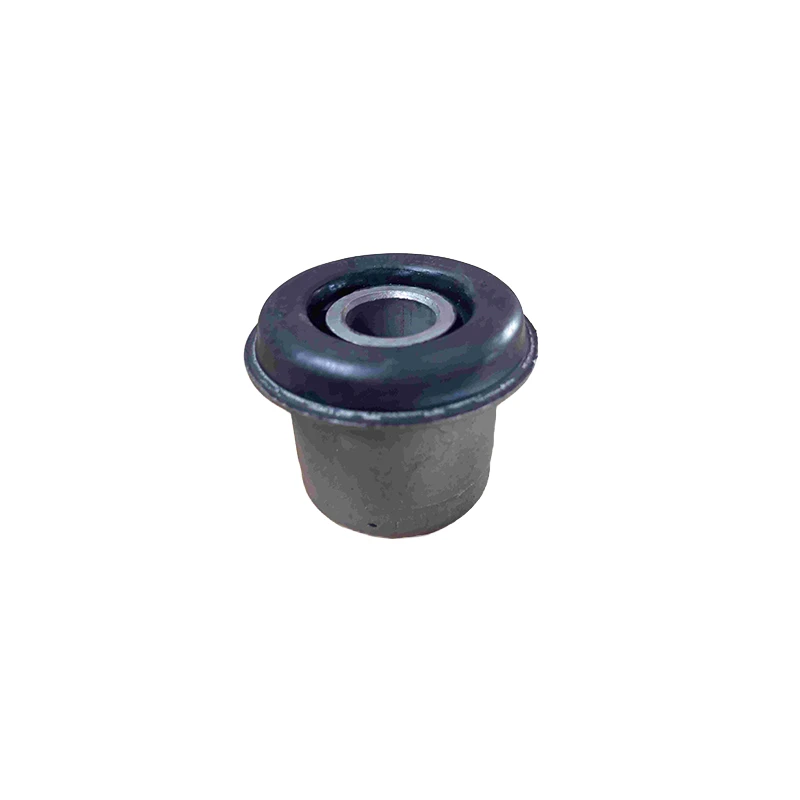
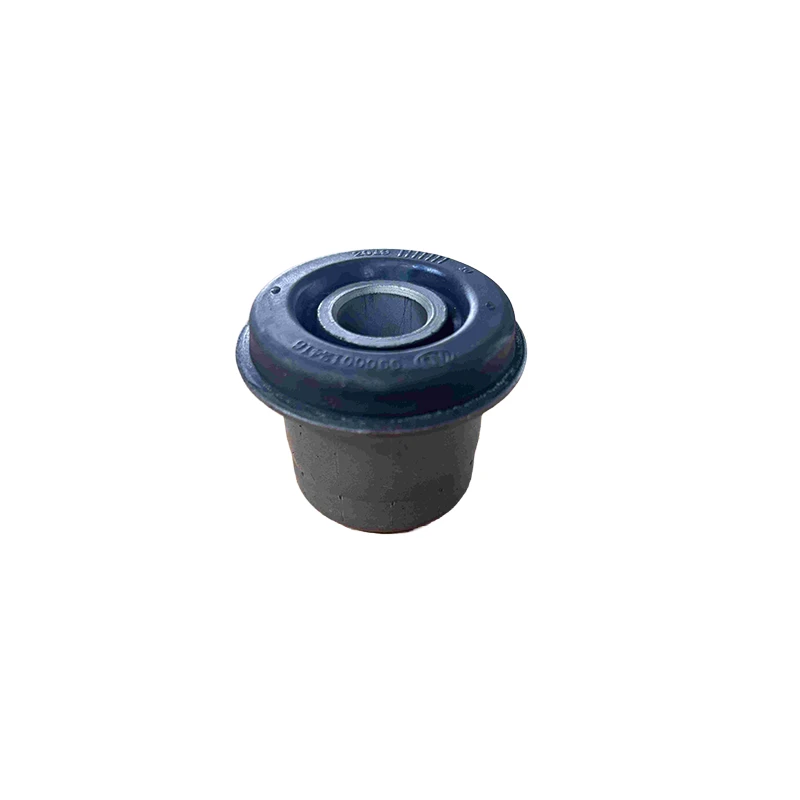
Understanding Encased Rubber Bushings
Encased rubber bushings are composed of a rubber element encased within a metal or other rigid material. The rubber provides damping and isolation properties, while the outer casing offers structural support and protection. This combination makes encased rubber bushings versatile components that can be used in a wide range of applications, including automotive, industrial machinery, aerospace, and more.
Properties of Encased Rubber Bushings
One of the key properties of encased rubber bushings is their ability to absorb and dampen vibrations. Rubber is a viscoelastic material, which means it can deform under stress and return to its original shape when the stress is removed. This property allows the bushing to absorb energy from vibrations and reduce noise and shock in dynamic systems.
Another important property is their flexibility. Rubber can be molded into various shapes and sizes, allowing for custom designs to meet specific application requirements. This flexibility also enables the bushing to accommodate misalignments and angular movements, which are common in dynamic applications.
Encased rubber bushings also offer good chemical resistance, which makes them suitable for use in harsh environments. The rubber material can withstand exposure to various chemicals, oils, and solvents, ensuring long-term durability and performance.
Advantages of Encased Rubber Bushings in Dynamic Applications
- Vibration Isolation: As mentioned earlier, the primary advantage of encased rubber bushings is their ability to isolate vibrations. In dynamic applications, such as automotive suspensions or industrial machinery, vibrations can cause noise, wear, and fatigue. By using encased rubber bushings, these vibrations can be effectively reduced, improving the overall performance and lifespan of the equipment. For example, in automotive Suspension Bushing, the use of high-quality encased rubber bushings can enhance ride comfort and handling by minimizing the transfer of road vibrations to the vehicle body.
- Shock Absorption: Dynamic applications often involve sudden shocks and impacts. Encased rubber bushings can absorb these shocks, protecting the equipment from damage. In industrial machinery, for instance, bushings can prevent excessive vibrations and shocks from causing premature failure of components.
- Misalignment Compensation: In dynamic systems, misalignments can occur due to various factors, such as thermal expansion, wear, or installation errors. Encased rubber bushings can compensate for these misalignments, allowing the system to operate smoothly. This is particularly important in applications where precise alignment is difficult to achieve, such as in rotating machinery.
- Low Maintenance: Encased rubber bushings are relatively low-maintenance components. They do not require lubrication and have a long service life, reducing the need for frequent replacements. This can result in significant cost savings over the life of the equipment.
Limitations of Encased Rubber Bushings in Dynamic Applications
- Temperature Sensitivity: Rubber is a temperature-sensitive material. At high temperatures, the rubber can lose its elasticity and mechanical properties, leading to reduced performance and durability. In applications where the operating temperature is high, such as in engines or industrial ovens, special high-temperature rubber compounds may be required.
- Aging and Degradation: Over time, rubber can age and degrade due to exposure to environmental factors such as heat, oxygen, and ozone. This can cause the rubber to harden, crack, or lose its damping properties. Regular inspection and replacement of encased rubber bushings may be necessary to ensure optimal performance.
- Load Capacity: While encased rubber bushings can handle a certain amount of load, they have a limited load capacity compared to some other types of bushings, such as metal or plastic bushings. In applications where high loads are involved, careful consideration must be given to the selection of the appropriate bushing size and material.
Applications of Encased Rubber Bushings in Dynamic Systems
- Automotive Industry: Encased rubber bushings are widely used in the automotive industry for various applications, including suspension systems, engine mounts, and steering components. In suspension systems, Suspension Bushing help to isolate the vehicle body from road vibrations, providing a smooth and comfortable ride. Engine mounts use encased rubber bushings to reduce engine vibrations and noise, improving the overall driving experience.
- Industrial Machinery: In industrial machinery, encased rubber bushings are used in conveyor systems, pumps, motors, and other rotating equipment. They help to reduce vibrations and noise, improve equipment reliability, and extend the service life of components. For example, in a conveyor system, encased rubber bushings can prevent belt slippage and reduce wear on the pulleys.
- Aerospace Industry: The aerospace industry also relies on encased rubber bushings for vibration isolation and shock absorption. In aircraft, bushings are used in landing gear, engine mounts, and flight control systems. The high-performance rubber compounds used in aerospace applications ensure reliable operation under extreme conditions, such as high altitudes and rapid temperature changes.
Selecting the Right Encased Rubber Bushing for Dynamic Applications
When selecting an encased rubber bushing for a dynamic application, several factors need to be considered:
- Load Requirements: Determine the maximum load that the bushing will need to support. This includes both static and dynamic loads. Choose a bushing with a sufficient load capacity to ensure reliable operation.
- Vibration and Shock Levels: Evaluate the vibration and shock levels in the application. Select a bushing with appropriate damping properties to effectively reduce vibrations and shocks.
- Temperature and Environmental Conditions: Consider the operating temperature and environmental conditions of the application. Choose a rubber compound that can withstand the temperature range and resist chemicals, oils, and other environmental factors.
- Size and Fit: Ensure that the bushing has the correct size and fit for the application. This includes the inner and outer diameters, length, and any specific mounting requirements.
Conclusion
In conclusion, encased rubber bushings are generally suitable for dynamic applications due to their excellent vibration isolation, shock absorption, and flexibility properties. However, they also have some limitations, such as temperature sensitivity and aging. By carefully considering the application requirements and selecting the right bushing, these limitations can be minimized, and the benefits of encased rubber bushings can be fully realized.
If you are in need of high-quality encased rubber bushings for your dynamic applications, we are here to help. Our team of experts can provide you with the right solutions based on your specific requirements. We offer a wide range of Elastomeric Bushing, Black Rubber Bushing, Vibration Isolation Bushings, and Vibration Bushings to meet the diverse needs of our customers. Contact us today to discuss your project and explore how our encased rubber bushings can enhance the performance of your equipment.
References
- "Rubber Technology Handbook" by Werner Hofmann.
- "Mechanical Vibration Analysis and Prediction" by Robert D. Blevins.
- Industry standards and technical literature related to rubber bushings and dynamic applications.