

The price of a rubber buffer pad can be influenced by a multitude of factors, making it a complex topic to discuss. As a supplier of rubber buffer pads, I've had the opportunity to witness firsthand the various elements that contribute to the final cost of these essential components.
Key Factors Affecting the Price
One of the primary determinants of the price of a rubber buffer pad is the type of rubber used. Different rubber compounds possess distinct properties that make them suitable for specific applications. For instance, natural rubber offers excellent elasticity and resilience, making it a popular choice for general - purpose buffer pads. However, it may be more susceptible to environmental factors such as heat and ozone. On the other hand, synthetic rubbers like neoprene, nitrile rubber, and EPDM have unique characteristics. Neoprene is known for its resistance to chemicals, oils, and flames, while nitrile rubber excels in oil - resistance, and EPDM offers superior weather and ozone resistance. These synthetic rubbers often command a higher price due to their enhanced performance characteristics.
The size and shape of the rubber buffer pad also play a significant role in pricing. Larger pads require more raw materials, increasing the cost. Additionally, complex shapes, such as those with intricate contours or multiple layers, demand more advanced manufacturing processes. These processes can involve specialized molds and machinery, which add to the production cost and, consequently, the price of the final product.
The production volume is another crucial factor. When producing rubber buffer pads in large quantities, economies of scale come into play. Bulk production allows for more efficient use of resources, reduced per - unit labor costs, and better negotiation power when purchasing raw materials. As a result, the price per unit is typically lower for large - volume orders compared to small - scale production runs.
Quality requirements are also a major consideration. High - quality rubber buffer pads need to meet strict standards for durability, performance, and safety. This may involve additional testing, quality control measures, and the use of premium raw materials. For example, if a buffer pad is intended for use in a critical industrial application where failure could lead to significant downtime or safety hazards, it will need to undergo rigorous testing to ensure it can withstand the intended stresses. These additional steps drive up the price of the product.
Market and Application Demand
The market demand for rubber buffer pads can fluctuate over time, and this has a direct impact on pricing. In industries where there is a high demand for rubber buffer pads, such as the automotive, aerospace, and manufacturing sectors, suppliers may be able to set higher prices. The level of competition in the market also plays a role. In a highly competitive market, suppliers may need to offer more competitive prices to attract customers.
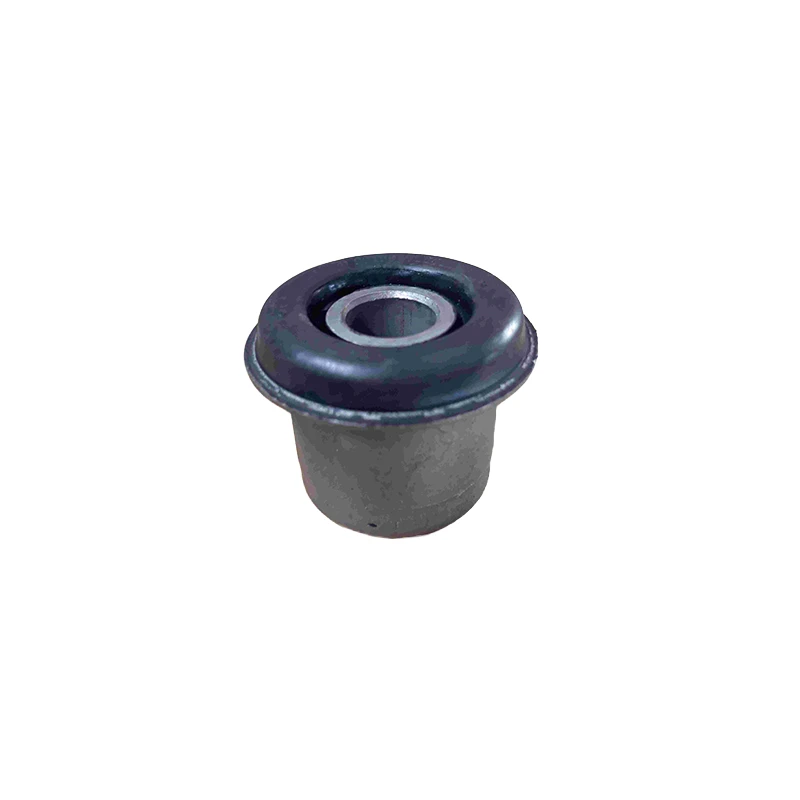
The application of the rubber buffer pad also affects its price. For example, Automotive Rubber Buffer Assembly used in vehicles need to meet strict automotive industry standards. They must be able to withstand vibrations, shocks, and temperature variations, and also be compatible with other vehicle components. These requirements often result in a higher price compared to buffer pads used in less demanding applications.
Cost Ranges
It's difficult to provide an exact price for a rubber buffer pad since the range can be quite broad. For simple, small - sized natural rubber buffer pads with standard shapes and intended for general - purpose use, the price can be relatively low, perhaps in the range of a few cents to a few dollars per pad, depending on the volume ordered.
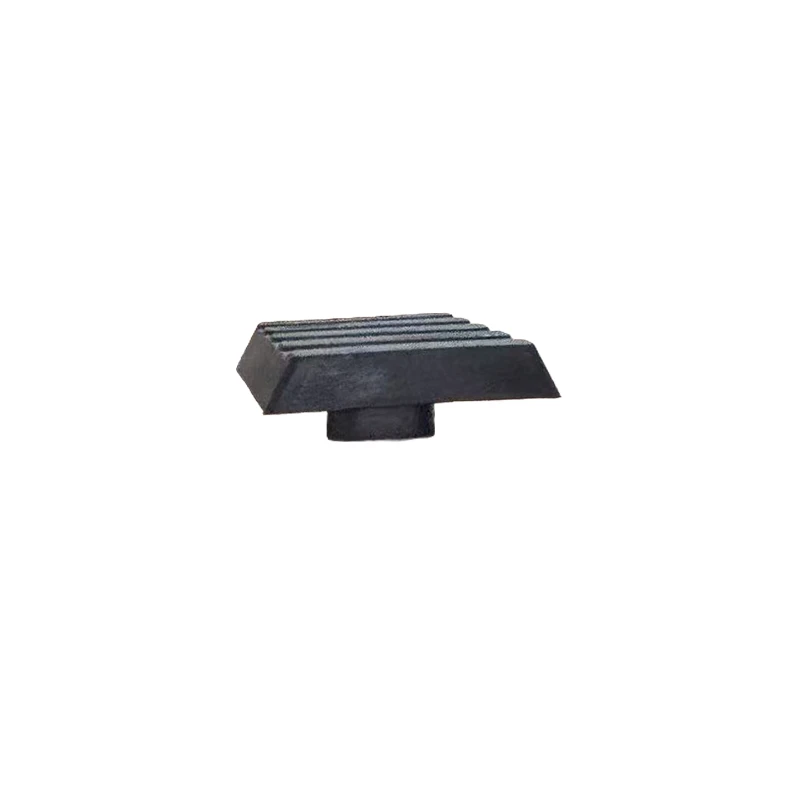
On the other hand, for large - sized, custom - shaped rubber buffer pads made from high - performance synthetic rubbers and meeting strict quality and safety standards, the price can be significantly higher. For instance, a specialized Rubber Shock Block used in heavy - duty industrial machinery or a Rubber Isolation Pad for high - precision equipment could cost tens or even hundreds of dollars per unit.
Pricing Strategies for Suppliers
As a supplier, we adopt different pricing strategies to meet the diverse needs of our customers. For new customers or those placing small initial orders, we may offer more flexible pricing to build a long - term relationship. This could involve providing competitive prices to encourage them to test our products and experience the quality we offer.
For large - volume and long - term customers, we often negotiate volume - based pricing agreements. These agreements take into account the customer's projected order quantities over a specific period, allowing us to plan our production more efficiently and pass on the cost savings to the customer.
We also offer value - added services, such as custom design and engineering support. When customers require a unique rubber buffer pad solution, we work closely with them to develop a product that meets their exact requirements. While these customized solutions may come at a higher price, the added value in terms of performance and functionality often justifies the cost for our customers.
Importance of Price - Quality Balance
When considering the price of a rubber buffer pad, it's essential for customers to balance cost with quality. A very low - priced buffer pad may seem like a bargain, but it may not meet the performance requirements or have a short lifespan, leading to frequent replacements and potentially higher overall costs.
On the other hand, overpaying for features that are not necessary for a particular application is also wasteful. Customers should evaluate their specific needs carefully, considering factors such as the operating environment, expected lifespan, and performance requirements. This will help them make an informed decision about which type of rubber buffer pad, at what price, is the best fit for their situation.
How to Get the Best Price
If you're in the market for rubber buffer pads, there are several steps you can take to get the best price. First, clearly define your requirements. Provide as much detailed information as possible about the size, shape, rubber compound, performance specifications, and expected quantity to potential suppliers. This allows suppliers to provide more accurate quotes.
Second, compare quotes from multiple suppliers. Don't just focus on the price; also consider the supplier's reputation, quality control measures, and after - sales service. A reliable supplier may offer a slightly higher price but provide better - quality products and more comprehensive support.
Finally, be open to negotiation. Many suppliers, including us, are willing to work with customers to find a mutually beneficial pricing arrangement, especially for large - volume or long - term orders.
Contact for Purchase and Negotiation
If you're interested in purchasing rubber buffer pads or have any questions about our products, we'd be delighted to hear from you. We have a wide range of products available, including Rubber Limit Pad and Rubber Mounting Pad, and our team of experts can assist you in finding the right solution for your needs. Whether you need a standard product or a custom - designed rubber buffer pad, we're here to help. Reach out to us to start a discussion and explore how we can meet your requirements.
References
- "Rubber Technology: Compounding, Processing and Testing" by K. K. Chandy and Sabu Thomas.
- "Handbook of Elastomers" edited by Ibrahim M. Hashim.
- Industry reports on rubber product manufacturing and pricing trends.